
TL;DR:
- Upsets in tennis occur when lower-ranked players defeat favorites, often disrupting brackets and influencing fantasy strategies. The 2026 season showcased shocking results, such as Fonseca beating Djokovic and Joint defeating Serena Williams, highlighting how aggressive play and environmental factors contribute to surprises. Analyzing these patterns helps players and fans better anticipate and leverage upsets for competitive advantage.
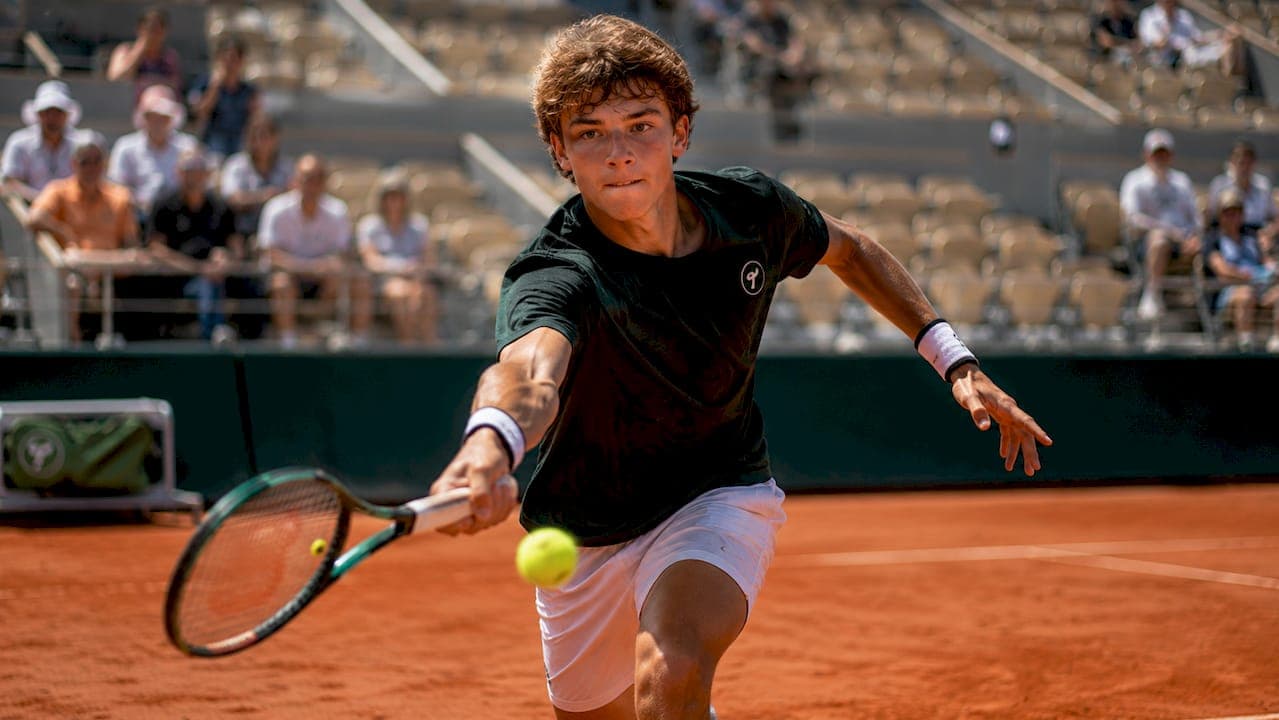
Tennis upsets worth watching are defined by lower-ranked players defeating established favorites in ways that reshape tournament brackets, shift fantasy team values, and leave fans talking for years. The 2026 season has already delivered some of the most shocking results in recent Grand Slam history. Joao Fonseca's defeat of Novak Djokovic at the French Open and Maya Joint's stunning Wimbledon win over Serena Williams are the clearest proof that rankings tell only part of the story. For fantasy tennis fans using Tweener, these moments are not just great television. They are the exact scenarios that separate smart roster decisions from lazy ones.
1. The most memorable tennis upsets worth watching in 2026
The 2026 French Open produced the most unpredictable major in recent years, with fewer top-five seeds reaching the round of 16 than at any Slam since the 2017 US Open. That collapse at the top of the draw created a wide-open bracket and forced fantasy managers to rethink every lineup.
Joao Fonseca defeats Novak Djokovic, 2026 French Open

Djokovic had never lost to a teenager at a Grand Slam before Fonseca ended that record in a 4-hour, 53-minute match. That statistic alone signals how extraordinary the result was. Fonseca's aggressive flat groundstrokes gave Djokovic no rhythm, and the teenager's mental composure in the fifth set was the decisive factor. No major champions remained beyond the round of 16 after this result.
Maya Joint defeats Serena Williams, 2026 Wimbledon
Twenty-year-old Maya Joint beat Serena Williams 6-3, 6-7 (6-8), 6-3 in Williams' first singles match after a four-year absence. Joint had lost 11 WTA Tour-level matches before this win. She saved a match point in the second-set tiebreak, then closed out the third set with controlled, direct tennis. The 24-year age gap between the two players made the result even more striking.
Aryna Sabalenka and Elena Rybakina, 2026 French Open
Both Sabalenka and Rybakina lost from commanding positions at Roland Garros. Sabalenka led by a set and two breaks before collapsing. Rybakina committed a high volume of unforced errors in extreme heat, with temperatures reaching the mid-30s Celsius. These were not flukes. They were the product of specific tactical and physical conditions that any sharp fan should learn to recognize.
Key factors across these four upsets:
- Aggressive, flat ball-striking that denied favorites their preferred rally length
- Extreme heat that physically drained power-based players
- Mental composure from underdogs in pressure moments
- Favorites losing momentum after building large leads
Pro Tip: When a top seed faces a young, aggressive ball-striker in hot conditions, check their recent match times. Players who have gone deep in the draw already are more vulnerable to physical collapse late in a tournament.
2. What tactical and mental factors cause major upsets?
Aggressive, high-risk playing styles are the single most reliable catalyst for top-level upsets. Robin Soderling's flat, heavy groundstrokes shattered Nadal's defensive rhythm at the 2009 French Open. Roberta Vinci's slices and net approaches disrupted Serena Williams' power game at the 2015 US Open. The pattern repeats because defensive favorites depend on consistency. When an opponent refuses to play into that consistency, the favorite has no fallback.
"Psychological resilience under pressure often trumps technical skill in high-stakes matches. Maya Joint maintained belief despite entering Wimbledon with 11 consecutive WTA Tour-level losses. Her coach Samantha Stosur emphasized 'stepping up' under pressure as the defining quality that separated Joint's performance from what her ranking suggested."
The "letdown effect" is a specific and underappreciated pattern. Favorites who build dominant early leads sometimes lose focus and momentum, allowing opponents to reset mentally and physically. Sabalenka's 2026 French Open collapse is the clearest recent example. She led comfortably, then the match turned completely.
Environmental conditions add another layer. Extreme heat punishes players who rely on explosive, high-intensity rallies more than it punishes grinders and counterpunchers. Rybakina's unforced error count at Roland Garros spiked directly in correlation with the temperature rise.
Signs that an underdog has upset potential:
- Flat, aggressive ball-striking that shortens rallies
- Strong recent form on the specific surface
- History of close sets against higher-ranked opponents
- Physical freshness from a lighter draw path
Pro Tip: Track a player's coaching influence before major matches. Coaches who specialize in pressure management and tactical flexibility often produce the biggest upsets at Grand Slams.
3. How tennis upsets affect fantasy tennis strategy
Top seed eliminations are the most valuable signal in fantasy tennis. When a player like Djokovic exits in the early rounds, every player in that section of the draw gains projected value. Fantasy managers who adjust their rosters immediately after an upset capture that value before the rest of the field reacts.
Ranking-only models fail in upset-heavy tournaments. The 2026 French Open proved this clearly. Managers who built lineups around the top five seeds lost their core point-scorers by the round of 16. Managers who had identified sleeper picks based on surface form, recent momentum, and head-to-head data against specific opponents came out ahead.
| Scenario | Pre-upset fantasy value | Post-upset fantasy value |
|---|---|---|
| Top seed eliminated in R1 | High ownership, high projected points | Drop immediately; avoid in next round |
| Unseeded player beats top-10 | Low ownership, low projected points | Rises sharply; strong sleeper pick |
| Favorite loses from big lead | Stable ownership | Volatile; psychological question mark |
| Young aggressive player wins | Minimal ownership | Breakout candidate; high ceiling |
Key adjustments for fantasy managers after a major upset:
- Identify the players who now face a weaker path to the quarterfinals
- Prioritize physical freshness over ranking when building late-round lineups
- Watch for players who have beaten the upset winner before on the same surface
- Use match prediction strategies that weight momentum and psychology alongside raw stats
Pro Tip: The best fantasy picks after an upset are not the players who caused it. They are the players who now face a cleaner path through the bracket because the favorite is gone.
4. Historic tennis upsets that shaped the sport
The biggest tennis surprises in history share a common thread. They happened when an underdog imposed a completely different style of play and refused to let the favorite dictate the match.
Robin Soderling's 2009 French Open win over Nadal was the first time Nadal had ever lost at Roland Garros. Soderling attacked the ball relentlessly and gave Nadal no time to set up his heavy topspin. The result shocked the sport because Nadal on clay had seemed unbeatable. Soderling's aggressive playing style proved that even the most dominant surface specialists have a tactical weakness.
Roberta Vinci's 2015 US Open semifinal win over Serena Williams stopped what would have been a calendar Grand Slam. Vinci used slices, drop shots, and net approaches to break Serena's rhythm completely. Serena was the heavy favorite and had won 33 consecutive Grand Slam matches. Vinci's tactical creativity made it one of the most stunning results in Open Era history.
Most impactful historic upsets and what made them legendary:
- Robin Soderling def. Rafael Nadal, 2009 French Open: First Roland Garros loss for Nadal; flat ball-striking broke clay-court dominance
- Roberta Vinci def. Serena Williams, 2015 US Open: Stopped a calendar Slam; net play and slices disrupted power game
- Boris Becker def. Kevin Curren, 1985 Wimbledon final: 17-year-old unseeded player won the title; serve-and-volley aggression overwhelmed opponents
- Nathan Healey def. Lleyton Hewitt, 2005 Australian Open: Wildcard entry beat the world No. 3 on home soil; crowd pressure and aggressive returns were decisive
These matches are remembered not just for the results but for what they revealed. Every dominant player has a style that can be disrupted. The fans who understand that principle watch tennis at a deeper level. Recovery and physical management also play a role in these outcomes, and peak performance strategies matter especially when veterans face younger opponents in extended matches.
Key takeaways
The most impactful tennis upsets share three causes: aggressive tactical disruption, psychological composure from the underdog, and physical or environmental conditions that weaken the favorite.
| Point | Details |
|---|---|
| Upsets follow patterns | Flat ball-striking, heat, and the letdown effect are the most common triggers. |
| Fantasy value shifts fast | Eliminating a top seed opens bracket paths and raises sleeper pick values immediately. |
| Psychology beats ranking | Players with mental composure in pressure moments outperform their ranking in upsets. |
| Historic upsets teach tactics | Soderling and Vinci showed that style disruption beats raw talent every time. |
| Adjust lineups in real time | Fantasy managers who react to upsets quickly gain the biggest competitive edge. |
Why upsets are the best part of tennis
Tennis upsets are not accidents. They are the sport revealing its actual complexity. I have watched this game for a long time, and the matches I remember most clearly are not the ones where the favorite won in straight sets. They are the ones where someone nobody expected walked onto a Grand Slam court and refused to be intimidated.
What strikes me about the 2026 season specifically is how young the disruptors are. Fonseca is a teenager. Joint had barely won a WTA Tour match before Wimbledon. That is not a coincidence. Young aggressive players have nothing to lose and no defensive habits yet. They hit through the ball, they go for their shots, and they do not know enough to be scared. That combination is genuinely dangerous for any top seed.
The fantasy angle makes this even more interesting. Upsets are not just drama. They are data. When Sabalenka collapses from two breaks up, that tells you something about her mental state under pressure that her ranking does not. When Fonseca beats Djokovic in nearly five hours, that tells you the teenager has the physical and mental engine to go deep in a Slam. Smart team selection is about reading those signals before the rest of the field does.
The fans who embrace upsets rather than resent them are the ones who actually understand tennis. The sport is not predictable. That is the point. Lean into it.
— Nathan
Tweener turns upsets into your competitive edge
Tennis upsets change everything in a fantasy league, and Tweener is built for exactly that kind of unpredictability.
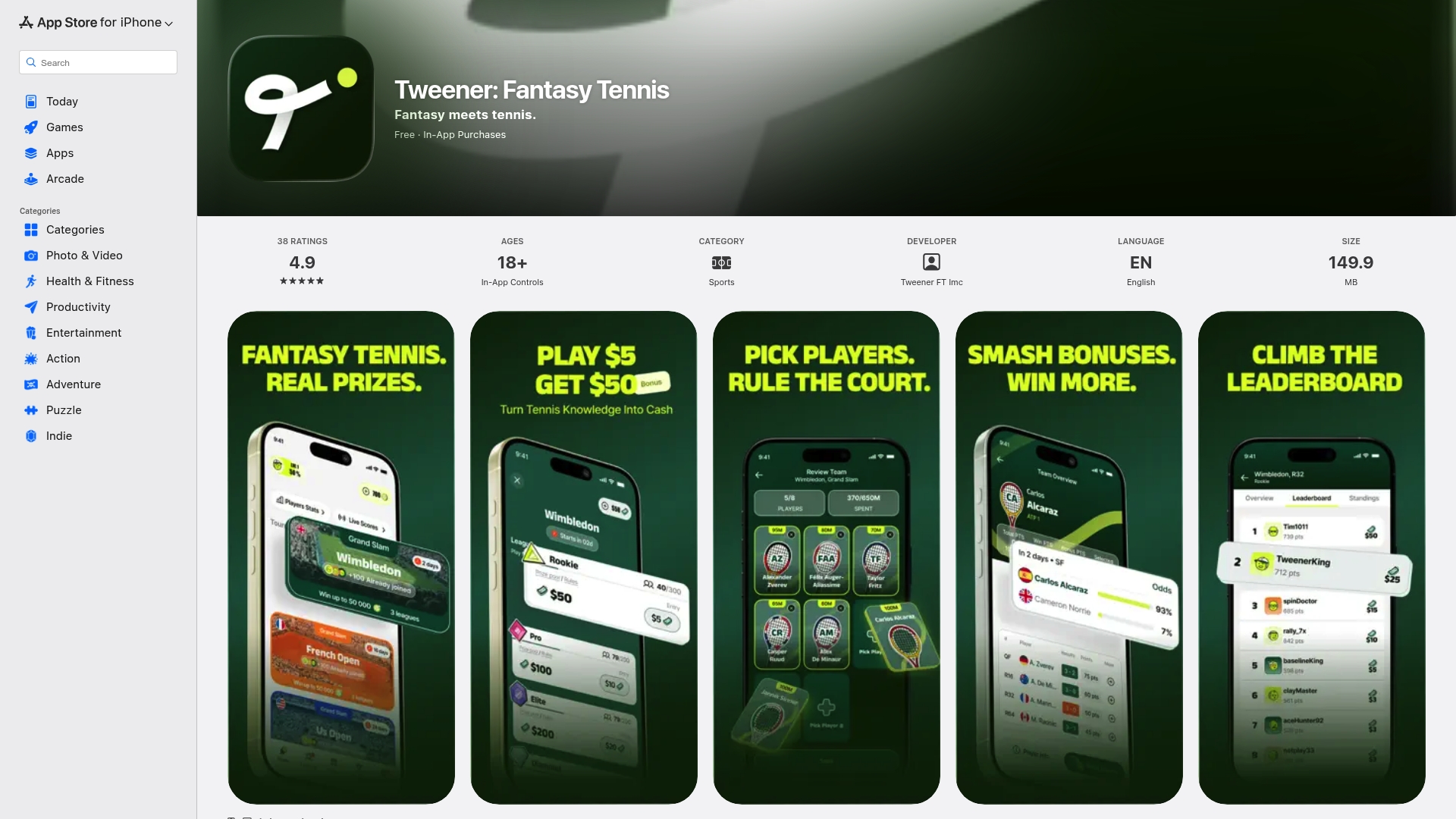
Tweener is the only dedicated fantasy tennis app that lets you build lineups around real ATP and WTA players and compete across live Grand Slam tournaments. When a top seed falls in the first round, your roster decisions matter more than ever. Tweener's format rewards fans who track surface form, head-to-head records, and match momentum rather than just following the rankings. Join a public league or set up a private league with up to nine friends for each major. Play free with virtual coins or enter cash contests where legally permitted. Play fantasy tennis on Tweener and put your knowledge of upsets to work.
FAQ
What qualifies as a tennis upset?
A tennis upset is when a lower-ranked or heavily unfavored player defeats a top seed or established favorite. The most notable recent example is Joao Fonseca defeating Novak Djokovic at the 2026 French Open, the first time Djokovic had ever lost to a teenager at a Grand Slam.
Why do tennis upsets happen so often at Grand Slams?
Grand Slams feature best-of-five-set matches, which increase physical and mental fatigue. Extreme heat, the letdown effect after big leads, and aggressive underdogs who disrupt a favorite's rhythm are the most common causes.
How should I adjust my fantasy tennis lineup after a major upset?
Identify which players now face a cleaner path through the bracket after the top seed's elimination. Prioritize physical freshness and recent surface form over ranking when selecting your next-round picks. Tweener's fantasy lineup guide covers this in detail.
Which historic tennis upset had the biggest impact on the sport?
Robin Soderling's 2009 French Open win over Rafael Nadal is widely considered the most impactful. It was Nadal's first-ever loss at Roland Garros and proved that even the most dominant surface specialists can be beaten by aggressive, flat ball-striking.
Can you predict tennis upsets before they happen?
You can identify upset-prone matchups by looking at playing style mismatches, recent form on the specific surface, physical fatigue from a heavy draw, and environmental conditions like extreme heat. These factors do not guarantee an upset, but they raise the probability significantly.