

TL;DR:
- Rivalry data helps fantasy tennis managers predict upset risks, surface performance, and scoring swings.
- Knowing head-to-head records, surface patterns, and nemesis matchups provides a strategic edge in lineup construction.
Fantasy tennis rivalries are defined as repeated head-to-head matchups between top players whose clash history creates predictable patterns, upset potential, and scoring swings that directly affect your fantasy lineup results. The biggest fantasy tennis rivalries, from Federer vs. Djokovic to Alcaraz vs. Sinner, are not just great television. They are data sources that separate casual fantasy managers from serious competitors. Understanding how these iconic tennis duels play out, surface by surface and round by round, gives you a real edge when building your Tweener roster for any Grand Slam or ATP/WTA event.
1. What are the biggest fantasy tennis rivalries?
The biggest fantasy tennis rivalries share three traits: a large number of meetings, a competitive head-to-head record, and a history of high-stakes matches where the result was genuinely unpredictable. These are not one-sided beatdowns. They are the famous tennis matchups where either player could win on any given day, which is exactly what makes them so valuable and so dangerous for fantasy managers.
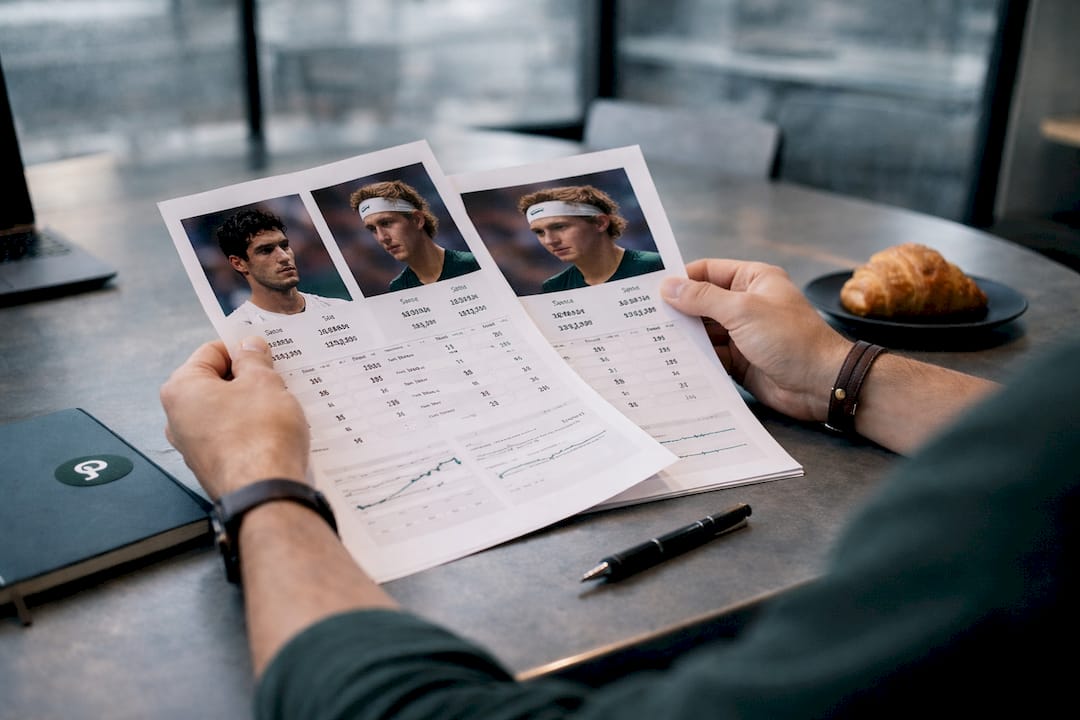
The rivalries that matter most for fantasy scoring are the ones that produce tight matches, deep runs into tournaments, and occasional shocking upsets. Each of those outcomes carries real point consequences on platforms like Tweener, where your roster lives and dies by actual match results.
2. Top historical tennis rivalries that still shape fantasy strategy
Classic rivalries do not lose their relevance just because the players have retired. Their head-to-head records, surface patterns, and psychological dynamics set the template for how modern rivalries are analyzed today.
"The greatest rivalries in tennis history are not just about wins and losses. They reveal how two elite players force each other to evolve, and that evolution is exactly what fantasy managers need to study."
The five rivalries below remain the most cited in tennis rivalries history and carry direct lessons for fantasy team construction:
- Djokovic vs. Federer: 50 meetings total, with Djokovic leading 27-23 and 13-6 in finals. The near-even split means neither player was a safe "lock" in any given matchup, which is the core lesson for fantasy drafting.
- Evert vs. Navratilova: 80 matches played between 1973 and 1988, with Navratilova leading 43-37. The sheer volume of meetings produced a psychological complexity that shifted momentum across different surfaces and career phases.
- Djokovic vs. Nadal: Recognized as the most prolific men's rivalry of the Open Era, with at least one professional match played every year from 2006 to 2022, including 29 Masters-level meetings. That consistency across surfaces and tournament tiers makes it the richest data set for understanding how top players perform under sustained pressure.
- Lendl vs. McEnroe: A rivalry defined by contrasting styles, with Lendl's baseline discipline repeatedly neutralizing McEnroe's serve-and-volley creativity. Fantasy managers who study this matchup learn how playing style mismatches can override ranking advantages.
- Evert and Navratilova's later dynamic: Their rivalry evolved into mutual respect as careers wound down, which visibly softened competitive edge in late-career meetings. That shift in psychological intensity is a real factor when projecting veteran player performance in fantasy leagues.
Each of these legendary tennis opponents produced match results that defied simple ranking comparisons. That is the central lesson: head-to-head history outweighs ATP or WTA ranking when two rivals meet.
3. Emerging Next-Gen rivalries shaping the 2026 fantasy landscape
Carlos Alcaraz and Jannik Sinner are now the heirs to the Big Three era, according to former world No. 1 Jim Courier. Their all-surface, high-intensity playstyle makes them the new benchmark for fantasy tennis selection. Both players generate points across hard courts, clay, and grass, which means they deliver value in every Grand Slam window, not just on their preferred surface.
The Alcaraz vs. Sinner rivalry is already producing the kind of tight, high-stakes matches that define great fantasy tennis duels. Neither player has a dominant head-to-head advantage, so every meeting carries genuine upset risk and genuine upside.
- Sabalenka vs. Swiatek: The WTA equivalent of Alcaraz vs. Sinner. Both players rank at the top of the WTA, compete deep into every major, and push each other into extended, high-scoring matches that reward fantasy managers who roster both.
- Gauff vs. Sabalenka: A rising matchup with nemesis potential that fantasy managers consistently undervalue when building lineups for hard-court majors.
- Alcaraz vs. Sinner on clay: Roland Garros meetings between these two have already produced some of the most contested clay-court tennis in recent memory, with each match running deep into the draw.
Pro Tip: When both Alcaraz and Sinner are in the same draw half, consider rostering the player with the stronger recent form rather than the higher ranking. Their head-to-head is close enough that current momentum matters more than career stats.
Tracking these top ATP and WTA picks as a rivalry unit, rather than as individual selections, gives you a clearer picture of where the fantasy points will concentrate in any given tournament.
4. How upset probabilities from rivalry data improve your fantasy picks
The biggest upsets in fantasy tennis are not random. They follow patterns rooted in rivalry history, surface conditions, and specific player matchups. Understanding those patterns is the difference between a diversified lineup and a blown tournament.
Tweener's upset scoring mechanic awards +20 points to the winner of an upset and deducts 20 points from the loser's fantasy owners. That swing is large enough to decide a weekly contest on its own. The 2026 French Open provided the clearest example: Juan Manuel Cerundolo defeated Jannik Sinner at odds of -50,000, one of the most extreme upsets in recent Grand Slam history. Fantasy managers who had Sinner as their anchor pick absorbed a devastating score hit.
- Identify nemesis players. Certain lower-ranked players consistently challenge specific top seeds based on playing style rather than ranking. Anisimova against Sabalenka is one documented example. These players are high-value sleepers because their upset history is real, not random.
- Check head-to-head records before locking a lineup. A top seed with a losing record against a specific opponent is a genuine upset risk, regardless of current ranking. Matchup history outweighs ranking when two rivals meet.
- Spread exposure across draw sections. Diversifying your roster across different parts of the draw limits the damage when a single upset collapses one section. Concentrating all your picks in one draw quarter is the fastest way to lose a tournament contest.
- Budget one upset pick per lineup. Rostering one player with documented nemesis potential against a top seed gives you upside without overexposing your team to volatility.
- Track surface-specific rivalry records. Djokovic's record against Nadal on clay is dramatically different from their hard-court record. The same logic applies to every modern rivalry. Surface context is non-negotiable when choosing players for fantasy leagues.
Massive upsets are rare, but their point impact is outsized. One Cerundolo-level result can swing a fantasy contest by 40 points in a single match. That reality demands that every serious fantasy manager treat upset probability as a core drafting variable, not an afterthought.
5. Rivalry comparison: head-to-head records, upset frequency, and fantasy scoring impact
The table below summarizes the key metrics for the most relevant tennis rivalries in fantasy scoring terms. Use it to prioritize which rivalries to track and which players to target or fade in your next draft.
| Rivalry | Matches played | Head-to-head leader | Upset frequency | Fantasy scoring impact |
|---|---|---|---|---|
| Djokovic vs. Federer | 50 | Djokovic (27-23) | Moderate | High: near-even record creates consistent upset risk |
| Evert vs. Navratilova | 80 | Navratilova (43-37) | Low to moderate | High: volume of meetings reveals surface-specific patterns |
| Djokovic vs. Nadal | 59+ | Djokovic (30-29) | Moderate | Very high: surface splits create predictable upset windows |
| Alcaraz vs. Sinner | Growing | Competitive | High | Very high: all-surface parity means every meeting is a scoring event |
| Sabalenka vs. Swiatek | Growing | Competitive | Moderate to high | High: WTA No. 1 battles produce deep runs and point accumulation |
Djokovic vs. Nadal stands out because their 29 Masters-level meetings produced clear surface splits. Nadal dominated on clay; Djokovic held the edge on hard courts. Fantasy managers who tracked that split could predict upset windows with real accuracy. The Alcaraz vs. Sinner rivalry does not yet have that surface clarity, which makes it both more exciting and more volatile for fantasy purposes. For smart team selection in 2026, the Alcaraz vs. Sinner matchup is the one to watch most closely.
Key takeaways
The biggest fantasy tennis rivalries deliver the most reliable data for predicting upset risk, surface performance, and scoring swings across any Grand Slam or ATP/WTA tournament.
| Point | Details |
|---|---|
| Head-to-head beats ranking | When rivals meet, matchup history predicts outcomes better than current ATP/WTA ranking. |
| Upset mechanics are decisive | The +20/-20 upset scoring swing can decide a fantasy contest in a single match. |
| Nemesis players have real value | Lower-ranked players with documented wins over top seeds are high-value sleepers worth rostering. |
| Surface splits matter | Djokovic vs. Nadal proved that clay and hard-court records within a rivalry are separate data sets. |
| Diversify across draw sections | Spreading picks across different draw quarters limits damage from a single major upset. |
Why rivalry awareness is now the sharpest edge in fantasy tennis
I have been tracking tennis matchups analytically for years, and the shift I have noticed most is this: the fantasy managers who win consistently are not the ones who simply roster the top-ranked players. They are the ones who treat every rivalry as a data set and ask a specific question before each tournament. Which player in this draw has a documented edge over the favorite, and what surface are they playing on?
The Evert vs. Navratilova rivalry taught me something that still applies today. Their psychological dynamic shifted as the rivalry matured, and that shift showed up in match results. Veteran players approaching the end of their careers do not always compete with the same edge against a long-time rival. That is a real fantasy variable that most managers ignore entirely.
The Alcaraz vs. Sinner era is genuinely different from the Big Three era in one critical way. Both players are all-surface threats with no obvious weakness that a rival can exploit on a specific court. That parity makes their meetings harder to predict and more valuable to study. I would rather roster one of them with a clear understanding of the current head-to-head than blindly pick the higher seed and absorb an upset penalty.
My honest advice: build your fantasy drafting strategy around rivalry data first, rankings second. The rankings tell you who is playing well. The rivalry records tell you who is likely to win on a specific day against a specific opponent. That second piece of information is worth far more in a fantasy contest.
— Nathan
Tweener puts rivalry data at the center of your fantasy game
Tweener is the fantasy tennis platform built specifically for fans who want to compete on skill, not luck. The app tracks real ATP and WTA match results across every major tournament and translates them directly into fantasy points, including the upset mechanics that make rivalry awareness so valuable.
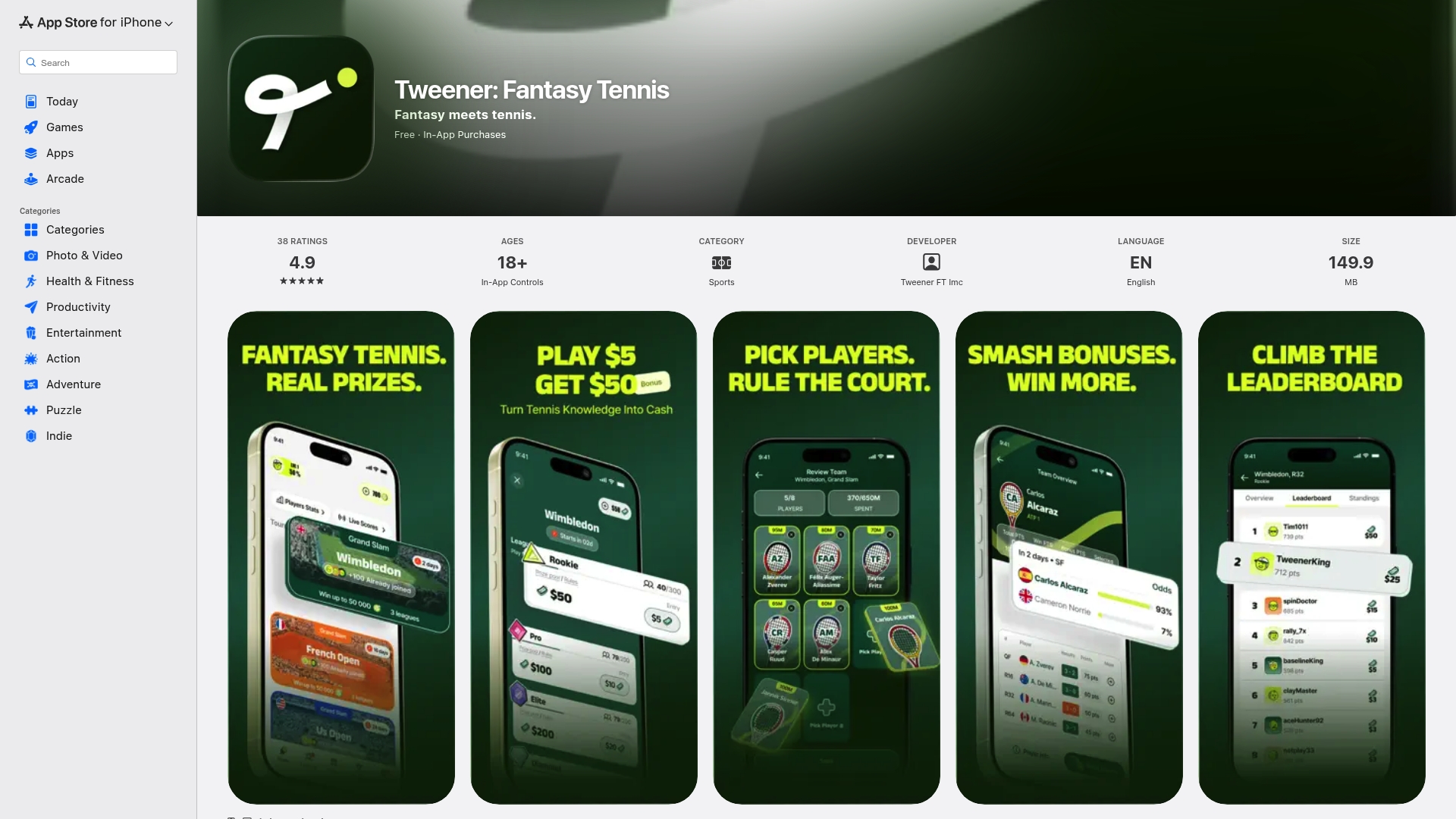
You can join public leagues or set up a private league with up to nine friends for each Grand Slam. The platform rewards managers who study head-to-head records, surface splits, and nemesis matchups, exactly the kind of rivalry analysis covered here. Tweener also offers a free-to-play mode using virtual coins, so you can test your rivalry-based strategy before entering cash contests. Visit Tweener to start competing, or download the app and put your rivalry knowledge to work in your next tournament.
FAQ
What makes a rivalry important for fantasy tennis?
A rivalry matters for fantasy tennis when two players have a competitive head-to-head record across multiple meetings, because that balance creates genuine upset risk and scoring swings that affect your lineup results.
How does the upset mechanic work in fantasy tennis scoring?
Tweener awards +20 points to the winner of an upset and deducts 20 points from the losing player's fantasy owners, making upset prediction one of the highest-leverage decisions in any contest.
Which current rivalry should fantasy managers track most closely in 2026?
The Alcaraz vs. Sinner rivalry is the most important to track in 2026. Both players compete at the top level on every surface, and their near-even head-to-head makes every meeting a potential scoring event.
What is a nemesis player in fantasy tennis?
A nemesis player is a lower-ranked competitor with a documented history of beating a specific top seed, often due to playing style advantages. Rostering nemesis players gives your lineup upset upside without relying on random results.
How do I reduce upset risk in my fantasy tennis lineup?
Spread your picks across different draw sections so that a single major upset does not collapse your entire roster. Diversifying lineup exposure is the most reliable way to manage the volatility that comes with rivalry-driven upsets.