

Building a winning fantasy tennis lineup feels overwhelming when you're staring at dozens of players with varying salaries, matchups, and ownership projections. Should you stack favorites or hunt for value underdogs? Which surface specialists will dominate this week's tournament? Fantasy tennis scoring commonly rewards wins, aces, breaks, and games while penalizing losses and double faults, making strategic player selection critical. This guide reveals expert strategies to evaluate players, balance risk, and maximize your scoring potential across cash games and tournaments. You'll learn actionable frameworks to construct lineups that differentiate from the field and capitalize on matchup advantages.
Table of Contents
- Key Takeaways
- Understand fantasy tennis scoring and player point potential
- Prioritize surface-specific players and matchups
- Balance chalk favorites and low-owned value picks for lineup differentiation
- Construct lineups using player roles and matchup checklists
- Try Tweener for the ultimate fantasy tennis experience
- Frequently asked questions
Key Takeaways
| Point | Details |
|---|---|
| Scoring framework | Understand the scoring system to identify which actions generate the most fantasy points and which patterns maximize value. |
| Surface targeting | Prioritize players based on court type to exploit faster grass and hard courts for aces and break points, and rely on endurance on clay. |
| Ownership differentiation | Balance popular favorites with low owned value picks to create lineups that stand out from the field. |
| Lineup roles | Use anchors and attackers or other archetypes to tailor lineups for cash games versus tournaments. |
Understand fantasy tennis scoring and player point potential
Fantasy tennis scoring commonly rewards wins, aces, breaks, and games while penalizing losses and double faults. Before you can evaluate which players offer the best value, you need to internalize what actions generate fantasy points and why certain performance patterns translate to higher scores. Most platforms use similar core scoring structures, though exact values vary.
Typical scoring rewards offensive dominance and penalizes inefficiency:
- Match win: +20 points (the single biggest scoring event)
- Ace: +2 points (big servers accumulate quickly)
- Break point won: +5 points (critical momentum shifts)
- Game won: +1 point (volume metric for long matches)
- Set lost: negative 3 points (penalty for dropping sets)
- Double fault: negative 1 point (punishes inconsistency)
Understanding these values helps you identify player archetypes that maximize points. A big server who fires 15 aces and wins in straight sets will outscore a grinder who battles through three sets with fewer aces but more games played. The tennis scoring guide 2026 provides deeper context on match structures that influence fantasy outcomes.
"The key to fantasy tennis success lies in understanding not just who wins, but how they win. A player who dominates with aces and breaks will always outscore someone who squeaks through on tiebreaks."
This scoring framework rewards aggressive, dominant performances over defensive survival. When building lineups, prioritize players whose game style naturally generates high-value actions. A clay court specialist who consistently breaks serve will accumulate more points than a player who relies on holding serve and winning tiebreaks. The penalty structure also matters because players who frequently double fault or lose sets quickly see their fantasy value crater, even if they occasionally pull upsets.
Pro Tip: Compare a player's recent ace and break point conversion rates against their upcoming opponent's serve statistics to identify scoring mismatches before the market adjusts.
Prioritize surface-specific players and matchups
Court surfaces dramatically affect player performance and fantasy scoring potential. Prioritize surface-specific players like big servers on grass and consistent players on clay to build high-floor lineups that exploit matchup advantages. Fast courts reward power and aggression, while slower surfaces favor endurance and consistency.
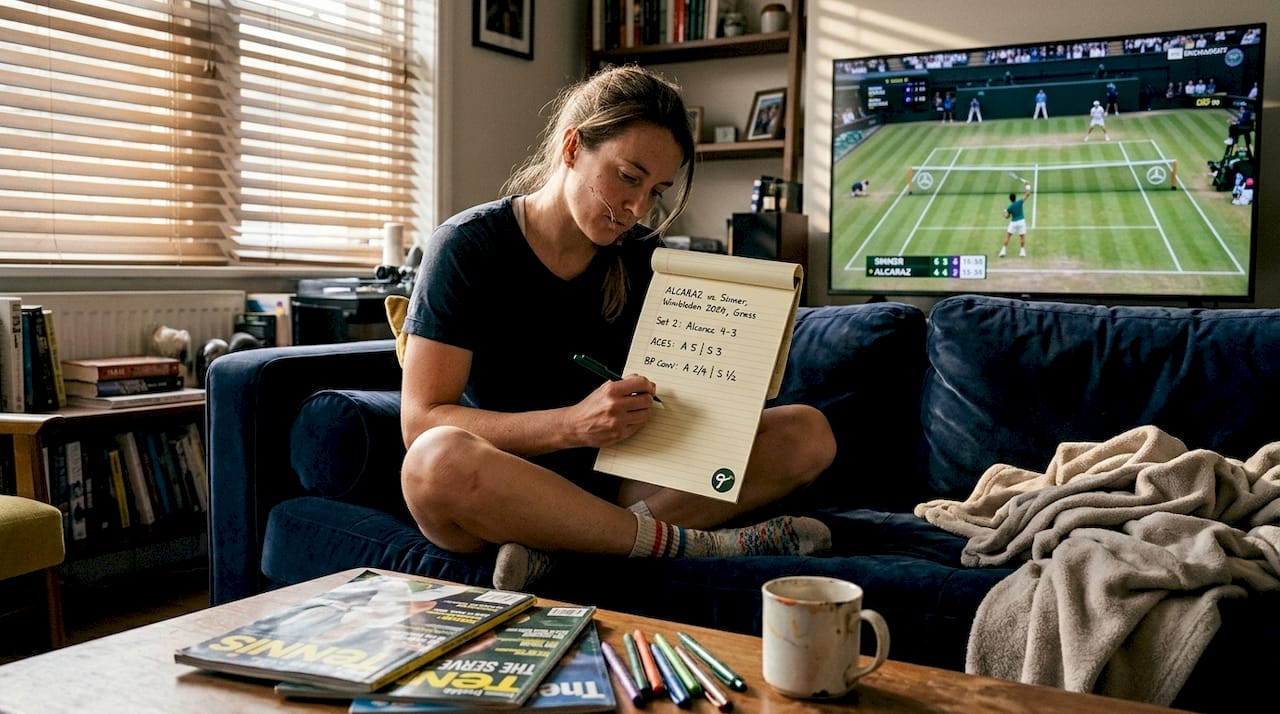
Grass and hard courts amplify serve dominance. Players with big first serves face fewer break points and rack up aces, directly translating to fantasy points through the ace bonus and match control. These surfaces produce shorter rallies, meaning break points become more valuable because they're harder to generate. On clay, rallies extend and fitness becomes paramount. Baseline grinders who excel in long exchanges and maintain break point conversion over three-hour matches thrive here.
Key surface-player archetypes to target:
- Grass specialists: Big servers with strong net games (high ace potential, quick points)
- Hard court versatility: Balanced players who adapt to medium-paced rallies
- Clay court grinders: Baseline consistency experts with superior fitness and break conversion
- Indoor hard court: Controlled conditions favor precision strikers with reliable service games
The top fantasy tennis picks 2026 analyzes current surface-specific performers who consistently deliver fantasy value. When evaluating matchups, consider not just overall player ranking but their specific track record on the current tournament surface. A top-10 player who struggles on clay might offer less value than a ranked 30 clay specialist in the same salary range.
Recent form on the specific surface matters more than general season performance. A player who reached semifinals at a clay tournament two weeks ago carries more predictive value for the current clay event than their hard court title from three months prior. Weather conditions also modify surface speed, with humidity and temperature affecting ball bounce and pace.
Pro Tip: Check the last three tournaments played on the current surface for each player you're considering. Consistent deep runs signal genuine surface mastery, not random variance.
Stacking multiple players who excel on the current surface creates correlated upside. If conditions favor big servers, loading your lineup with ace machines increases your ceiling when the surface plays fast. This approach works particularly well in large-field tournaments where differentiation matters more than safety.
Balance chalk favorites and low-owned value picks for lineup differentiation
Balance chalk (high-owned favorites) versus value (low-owned underdogs) lineups to optimize scoring ceiling and floor. Chalk refers to popular, top-ranked players with high ownership percentages who provide consistency but limit differentiation. Value picks are lower-owned players with upset potential or favorable matchups that create unique lineup combinations.
The ownership game separates winning players from the field. In large tournaments with thousands of entries, simply picking the best players isn't enough because everyone else does the same. You need leverage through differentiated picks that perform when the field zigs. However, completely fading chalk for contrarian value picks increases bust risk.
Effective lineup building follows this framework:
- Identify 2-3 chalk anchors with the highest win probability and favorable matchups
- Research value candidates with ownership projected below 15% but legitimate upset paths
- Analyze salary efficiency by comparing projected points per dollar across your player pool
- Stack one or two value plays in spots where the chalk matchup looks overpriced
- Reserve salary cap space for last-minute news-driven value opportunities
Alexander Bublik exemplifies volatile value. His explosive serve generates ace upside, but inconsistent focus leads to quick exits. At low ownership in a favorable matchup, he offers tournament-winning leverage. At high ownership after a hot streak, he becomes overpriced chalk.
"Longshots are often overpriced with negative expected returns. Favor chalk with some calculated risk on value plays rather than loading up on 100-to-1 underdogs who rarely justify their salary."
The cash mode fantasy tennis guide emphasizes different balance points for cash games versus tournaments. Cash games reward consistency, so tilt toward chalk with proven floors. Tournaments require differentiation, justifying more value exposure to separate from the field.
Market efficiency varies by player tier. Top-5 favorites are usually properly priced because sharp players analyze them thoroughly. Mid-tier players ranked 15-40 often present value inefficiencies because casual players overlook favorable matchups in this range. These spots offer the best risk-adjusted returns because you're exploiting information edges without taking extreme longshot risk.
Ownership projections change as news breaks. Monitor late scratches, injury reports, and weather delays that shift value. A player whose opponent withdraws immediately becomes underpriced relative to their new matchup. Being flexible and updating lineups until lock time captures these edges.
Construct lineups using player roles and matchup checklists
Use a checklist: late news check, mix 1-2 anchors, attackers, and stack games for long matches. Systematic lineup construction using defined player roles removes emotion and ensures balanced exposure to different scoring profiles. Think of your lineup as a portfolio where each player serves a specific function.
| Player Role | Characteristics | Ideal Contest Use |
|---|---|---|
| Anchor | High floor, consistent scoring, top-10 ranking, 30%+ ownership | Cash games, core tournament exposure |
| Attacker | High ceiling, volatile scoring, boom-bust potential, sub-20% ownership | Tournaments, leverage plays |
| Game-stack | Long match expectation, high total games projection, consistent volume | Both formats, salary efficiency |
Anchors provide stability. These are your chalk plays with the highest win probability and proven scoring floors. They rarely bust completely, making them essential in cash games where you need every player to hit value. In tournaments, include one or two anchors to ensure you don't zero out entirely while using other spots for differentiation.
Attackers offer ceiling. These players have explosive scoring potential through aces, breaks, or dominant straight-set wins, but also carry bust risk. Low ownership makes them ideal tournament plays where you need leverage to climb leaderboards. Limit attackers in cash games because variance can sink your lineup.
Game-stack players target match total projections. When two evenly matched baseliners meet on clay, expect a three-set marathon with 35+ total games. Both players accumulate volume scoring through games won, even if neither dominates. These spots offer salary efficiency because the market underprices grinding matches.
Your lineup building checklist:
- Verify no late scratches or injury news in the 30 minutes before lock
- Select 1-2 anchors based on safest matchups and highest win probability
- Add 1-2 attackers in spots with leverage and upset paths
- Include 1 game-stack play from matches with high total projections
- Balance salary cap by mixing premium and value players
- Check weather forecasts for outdoor events that might delay or favor certain styles
- Review ownership projections to ensure differentiation in tournament lineups
The fantasy team management basics guide covers advanced roster construction techniques for multi-day tournaments where you manage the same lineup across rounds.
Pro Tip: Always verify late injury or weather updates before finalizing lineups. A rain delay that moves matches indoors can completely flip surface dynamics and scoring expectations.
Contest format drives role allocation. Cash games need 70% anchors, 20% game-stacks, and 10% attackers. Tournaments flip to 40% anchors, 40% attackers, and 20% game-stacks. This allocation manages variance appropriately for each format's payout structure.
Correlation matters when stacking roles. If you're playing multiple attackers, ensure they're not all in the same quarter of the draw. You want independent scoring paths so one bad matchup doesn't sink multiple players. Diversify across draw sections and match times to reduce correlated risk.
Try Tweener for the ultimate fantasy tennis experience
Applying these strategic frameworks becomes seamless when you have the right platform. Tweener transforms fantasy tennis from guesswork into systematic lineup building with real-time scoring, transparent rules, and expert strategy integration. The app lets you compete in both free and cash modes, giving you flexibility to practice strategies before committing real money.
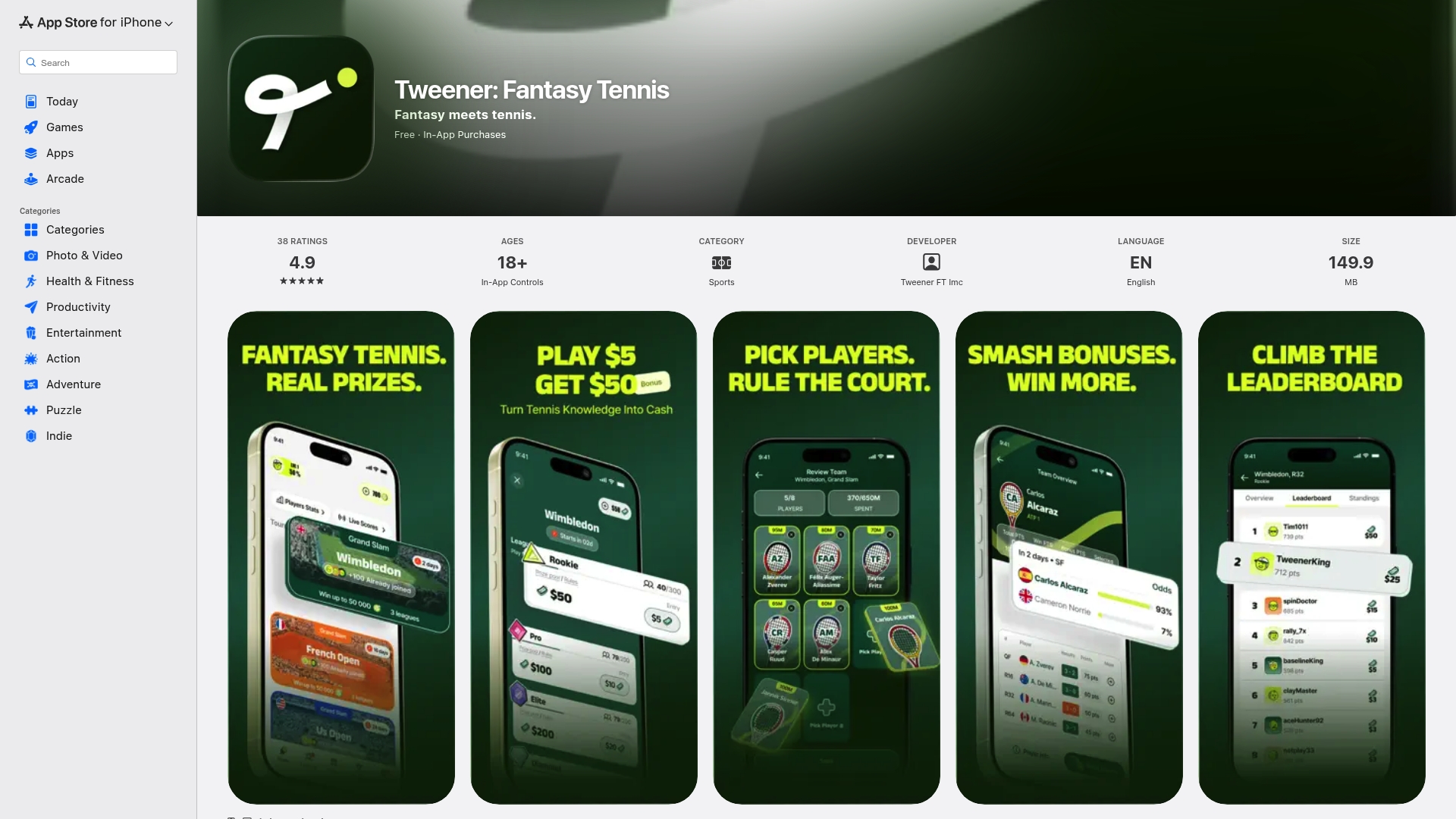
Tweener's interface simplifies the complex decisions outlined in this guide. You can quickly filter players by surface performance, compare ownership projections, and access updated matchup analysis. The platform's scoring transparency means you always know exactly how each action translates to fantasy points, eliminating confusion about why your lineup scored the way it did. Download Tweener app to start building lineups using these expert strategies in live tournaments.
The free mode lets you test surface-specialist strategies and ownership balance without financial risk. Earn virtual coins through gameplay and redeem them for real rewards while refining your approach. When you're ready, the cash mode offers real-money contests where your strategic edge translates directly to payouts. Review the Tweener game rules to understand platform-specific scoring nuances that might differ slightly from the general framework discussed here.
Pro Tip: Use the app's real-time news alerts to make last-minute lineup optimizations when injury reports or weather changes create value opportunities.
Frequently asked questions
What scoring actions earn the most points in fantasy tennis?
Winning matches typically awards 20 points, making it the single highest-value action. Break points won add 5 points each, and aces contribute 2 points, so players who dominate service games and convert breaks accumulate points rapidly. Lost sets and double faults carry negative point penalties that can significantly reduce a player's total score.
How do I choose the best players for different court surfaces?
Pick big servers and fast-court specialists for grass and hard courts where power and aces generate premium fantasy value. Opt for consistent baseline players with superior fitness on clay surfaces, as these matches reward endurance and break point conversion over extended rallies. Always check a player's recent results specifically on the current tournament surface rather than relying on overall season rankings.
Should I risk low-owned underdogs or play safe favorites?
Balance is key: use reliable favorites as anchors for stability and sprinkle low-owned value picks for upside in large tournaments. Avoid loading lineups with overpriced longshots because they often carry negative expected returns despite their appeal. In cash games, tilt heavily toward chalk, while tournaments justify more value exposure to differentiate from the field.
What is the difference between cash games and tournament formats?
Cash games pay out roughly 50% of entries with smaller but more consistent returns, rewarding high-floor lineups built around reliable anchors. Tournaments feature top-heavy payouts where only a small percentage of entries win significant prizes, making differentiation through attackers and value plays essential. Your lineup construction strategy should shift dramatically based on which format you're playing.
How do I find value players before the market adjusts?
Monitor late injury reports, opponent withdrawals, and weather changes that create sudden value opportunities other players haven't priced in yet. Focus on mid-tier players ranked 15-40 where casual players overlook favorable matchups and surface fit. Compare recent surface-specific performance rather than general rankings to identify specialists the market undervalues in the current tournament context.