

Choosing the right fantasy tennis players requires analyzing rankings, surface performance, head-to-head records, and recent form. Fantasy platforms like Tweener add budget constraints and game mode variations that influence your selections. This article breaks down these elements with data-driven advice and profiles top ATP and WTA players to optimize your fantasy teams in 2026.
Table of Contents
- How to choose top players in fantasy tennis
- Top ATP player picks for 2026
- Top WTA player picks for 2026
- Head-to-head player comparisons and matchup insights
- Surface-specific player strengths and tournament context
- Summary comparison table of top ATP and WTA players
- Strategic tips for fantasy player selection on Tweener
- Situational picks: choosing players based on your fantasy goals
- Boost your fantasy tennis performance with Tweener
Key takeaways
| Point | Details |
|---|---|
| Mix star players with emerging talents | Top-ranked players like Carlos Alcaraz and Aryna Sabalenka provide consistency, but adding rising stars maximizes value within budget limits. |
| Surface-specific stats matter | Player performance varies dramatically by court surface, with specialists like Iga Swiatek dominating clay and Coco Gauff excelling on hard courts. |
| Head-to-head records inform matchups | Historical matchup data reveals competitive advantages that directly impact fantasy outcomes in tournament draws. |
| Recent form affects scoring | Player injury status and current performance trends cause significant point fluctuations requiring constant monitoring. |
| Strategic budgeting optimizes results | Allocating resources between reliable stars and high-upside picks balances risk and reward across contest formats. |
How to choose top players in fantasy tennis
Player selection depends heavily on current ATP and WTA rankings, surface-specific performance, head-to-head records, recent form, injury status, and budget considerations. Rankings reflect consistent performance over time, with top players earning more fantasy points through deeper tournament runs. Surface-specific win rates reveal how players perform on clay, hard, or grass courts, which matters because tournaments rotate between these surfaces throughout the season.
Head-to-head statistics show matchup advantages between specific players. If Player A consistently beats Player B, that historical edge becomes valuable when they meet in a tournament draw. Recent form and injury status create performance fluctuations that can make or break your fantasy week. A player returning from injury typically scores fewer points initially.
Budget management on Tweener requires balancing expensive stars against affordable emerging players. The game rules differ between free mode and cash mode, affecting how you allocate your fantasy budget. Consider these core criteria when evaluating players:
- Current world ranking and recent point accumulation trends
- Win percentage on clay, hard, and grass surfaces
- Head-to-head records against likely tournament opponents
- Injury reports and performance in last five matches
- Fantasy budget cost relative to projected point output
Pro Tip: Check tournament draws before finalizing picks. A top player facing tough early opponents may underperform compared to a slightly lower-ranked player with an easier path.
Top ATP player picks for 2026
Carlos Alcaraz is ranked #1 in the ATP rankings for 2026 with 13,550 points, making him the most consistent fantasy option. His versatile game translates to strong performance across all surfaces, and Carlos Alcaraz has a favorable win ratio against most top 10 ATP players. This combination of ranking stability and matchup advantages makes him a reliable fantasy anchor despite his premium budget cost.
Jannik Sinner represents exceptional value as a rising talent with improving service and break point statistics. His head-to-head edge over established veterans like Novak Djokovic signals a player entering his prime years. Sinner's aggressive baseline style produces high fantasy point totals when his game clicks, particularly on hard courts where his power game dominates.
Other strong ATP picks for 2026 include players with proven tournament success and favorable surface matchups. Alexander Zverev offers consistency on hard courts with his powerful serve. Daniil Medvedev's tactical baseline game shines on faster surfaces. When building your Tweener roster, consider these factors:
- Recent tournament results over the past month
- Upcoming tournament surface alignment with player strengths
- Budget impact of selecting multiple top 10 players
- Injury history and physical durability throughout long seasons
Balancing star players like Alcaraz with emerging talents creates roster flexibility. Star players consume more budget but provide reliable baseline points, while rising players offer upside potential at lower cost. Check ATP rankings weekly and review head-to-head ATP stats before tournament starts to identify the best matchup advantages.
Top WTA player picks for 2026
Aryna Sabalenka leads the 2026 WTA rankings with 10,675 points, establishing her as the premier fantasy option. Her powerful serve and aggressive baseline play translate to success on hard courts and grass, making her versatile across multiple tournament settings. Sabalenka's ability to dominate rallies and close out matches efficiently produces consistent fantasy scoring.
Iga Swiatek dominates clay courts with over 75% win rate and excels in break point conversion, positioning her as the top pick for clay surface contests. Her exceptional movement and tactical intelligence allow her to control points and wear down opponents in longer matches. During clay court season, Swiatek becomes nearly unbeatable and should anchor your fantasy roster.
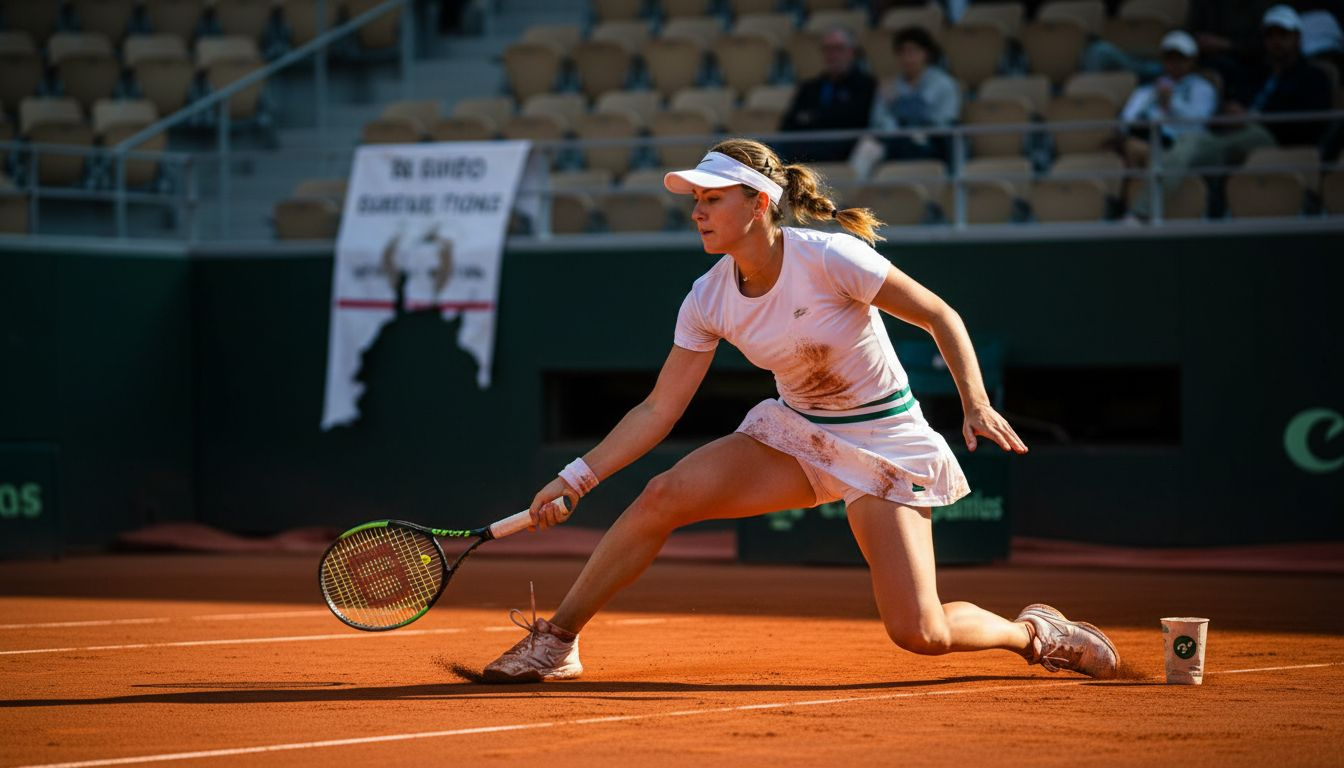
Coco Gauff excels on hard courts with strong serve percentages and aggressive return games. Her youth and athleticism enable her to compete deep into tournaments, accumulating fantasy points through match wins and statistical categories. Gauff's improving consistency makes her a safer pick than in previous years, though she still carries slightly more risk than Sabalenka or Swiatek.
Emerging WTA talents present budget-friendly alternatives with breakout potential. Players like Qinwen Zheng and Linda Noskova offer high upside at lower fantasy costs. When selecting WTA players for Tweener, prioritize these considerations:
- Surface-specific performance matching the upcoming tournament
- Recent form over the past three tournaments
- Head-to-head records against likely draw opponents
- Injury status and physical readiness for deep runs
Understanding player surface strengths enables optimizing WTA picks per tournament context. Review WTA rankings and detailed WTA player stats to identify players entering peak form cycles.
Head-to-head player comparisons and matchup insights
Head-to-head performance metrics reveal Carlos Alcaraz has a favorable win ratio above 60% against most top 10 ATP players, making him valuable when facing elite competition. Jannik Sinner's edge over Novak Djokovic in recent meetings signals a shifting power dynamic that fantasy players should exploit. These matchup advantages become critical when players meet in tournament brackets.
WTA head-to-head nuances reveal strategic opportunities depending on tournament draws and surfaces. Iga Swiatek's dominance over most clay court specialists creates reliable fantasy value during European clay season. Aryna Sabalenka's power game gives her edges over defensive players on faster surfaces. Understanding these dynamics helps you select players likely to advance further in tournaments.
Matchup context improves your chances of selecting players who will earn maximum fantasy points. A player with a 4-1 head-to-head record against their likely semifinal opponent becomes more valuable than a higher-ranked player facing a difficult matchup. Tournament seeding and draw luck play enormous roles in fantasy outcomes.
Fantasy strategy involves preferring players with positive historic records in upcoming matchups. When two similarly ranked players face different paths, choose the one with easier projected opponents. Consider these matchup factors:
- Win-loss records between specific players over the past two years
- Surface-specific head-to-head results matching current tournament
- Recent form of both players in the potential matchup
- Playing style advantages and tactical mismatches
Pro Tip: Wait until tournament draws are released before finalizing picks on Tweener. Knowing who plays whom in early rounds dramatically improves selection accuracy. Review head-to-head player data immediately after draws to identify hidden advantages.
Surface-specific player strengths and tournament context
Different surfaces strongly influence player winning percentages and playing styles. Iga Swiatek holds over 75% win rate on clay courts, making her a top pick for clay tournaments like the French Open and Madrid Open. Clay rewards patient baseline play and exceptional movement, advantages that align perfectly with Swiatek's strengths.
Coco Gauff exhibits strong serving stats on hard courts, translating to higher fantasy point returns on those surfaces. Hard courts favor aggressive serves and powerful groundstrokes, playing into Gauff's athletic game. Grass courts demand different skills, rewarding serve-and-volley players and those comfortable with low bounces.
Understanding tournament surface is essential for choosing players whose skills align with it. Selecting a clay specialist for a hard court tournament wastes budget on underperformance. Match player strengths to surface characteristics:
- Clay courts: favor stamina, movement, and heavy topspin (Swiatek, Nadal historically)
- Hard courts: reward power serves, aggressive baseline play (Sabalenka, Gauff, Alcaraz)
- Grass courts: benefit serve-and-volley, low slice shots (varies by player)
| Player | Surface | Win Rate | Key Strength |
|---|---|---|---|
| Iga Swiatek | Clay | 78% | Movement and consistency |
| Aryna Sabalenka | Hard | 71% | Power serve and aggression |
| Coco Gauff | Hard | 68% | Athleticism and returns |
| Carlos Alcaraz | All | 73% | Versatility and shot-making |
| Jannik Sinner | Hard | 70% | Baseline power |
Data comparing player surface win rates illustrates selection strategies for each surface type. When tournaments shift from clay to grass or hard courts, adjust your Tweener picks accordingly. Review surface-specific stats and player performance trends before each new tournament cycle to identify surface specialists positioned for success.
Summary comparison table of top ATP and WTA players
This structured comparison enables rapid evaluation of player strengths and weaknesses for fantasy decision-making. The table balances ATP and WTA players, providing key statistics across ranking, points, performance metrics, surface preferences, and fantasy budget impact.
| Player | Tour | Rank | Points | Serve % | Break Points Won | Best Surface | Notable H2H | Budget Impact |
|---|---|---|---|---|---|---|---|---|
| Carlos Alcaraz | ATP | 1 | 13,550 | 68% | 44% | All surfaces | 60%+ vs Top 10 | High |
| Jannik Sinner | ATP | 3 | 11,200 | 66% | 42% | Hard courts | Edge vs Djokovic | Medium-High |
| Aryna Sabalenka | WTA | 1 | 10,675 | 65% | 48% | Hard courts | Strong vs top 5 | High |
| Iga Swiatek | WTA | 2 | 9,890 | 62% | 52% | Clay courts | 75%+ on clay | High |
| Coco Gauff | WTA | 3 | 8,230 | 64% | 46% | Hard courts | Improving | Medium |
| Daniil Medvedev | ATP | 4 | 9,950 | 67% | 40% | Hard courts | Tactical edge | Medium |
This data supports strategic roster building within selected budget and game mode formats. High-budget players like Alcaraz and Sabalenka anchor rosters with consistency, while medium-budget options provide flexibility to add depth. Use this table as a quick reference when constructing lineups on Tweener, adjusting for specific tournament contexts and recent form updates.
Strategic tips for fantasy player selection on Tweener
Balance picks between expensive top stars and cost-effective emerging players to maximize total fantasy points within budget constraints. Experts recommend allocating about 60% of budget to star players and 40% to emerging talents for optimal fantasy outcomes. This split provides reliable baseline scoring from stars while capturing upside from breakout performances.
Avoid selecting players returning from recent injuries who score about 20% fewer fantasy points initially. Injury comebacks create uncertainty around match fitness and performance levels. Check injury reports daily and remove compromised players from consideration, even if their rankings suggest value.
Adjust choices according to Tweener's free mode budgets versus cash mode higher stakes. Free mode allows more experimental picks since virtual coins have no monetary value. Cash mode demands conservative selections focused on proven performers with consistent scoring. Review the game rules to understand scoring systems and optimize accordingly.
Use data-driven insights including surface and matchup considerations when finalizing teams. Don't rely solely on rankings. A lower-ranked player with favorable matchups and surface alignment often outscores a higher-ranked player in a tough draw. Layer multiple data points:
- Recent tournament results and current form trajectory
- Surface win rates matching upcoming tournament type
- Head-to-head records against likely opponents in draw
- Injury status and physical readiness indicators
- Budget cost relative to projected fantasy point output
Regularly monitor player updates throughout tournaments to optimize point potential mid-season. Form fluctuates weekly in tennis. A player struggling in January may dominate by March. Stay current with fantasy tennis expert picks and injury and form data to maintain competitive rosters.
Pro Tip: Save 10-15% of your budget for last-minute adjustments after tournament draws are announced. This flexibility allows you to pivot toward players with favorable paths or away from those facing brutal early matchups.
Situational picks: choosing players based on your fantasy goals
Adapt player selections to specific fantasy tennis scenarios and goals for personalized team optimization:
-
Best picks for budget-restricted free mode: Blend one or two top stars like Alcaraz or Sabalenka with three to four high-upside emerging players. This approach anchors your roster with reliable points while capturing breakout potential from rising talents at lower costs.
-
Cash mode high-stakes picks: Prioritize in-form top-ranked players with consistent recent performance and avoid injured players entirely. Risk tolerance should decrease when real money is involved. Focus on players with proven track records over the past month.
-
Clay court tournaments: Select clay-strong performers like Iga Swiatek, who dominates the surface with superior movement and consistency. Add clay specialists with high win rates on the surface, even if their overall rankings are lower.
-
Hard court tournaments: Choose hard court specialists like Coco Gauff and Aryna Sabalenka whose power games excel on faster surfaces. Hard courts reward aggressive play and strong serves, making these players premium options.
-
Emerging talents for long-term value: Identify undervalued players with upside potential like Qinwen Zheng or Holger Rune. These players cost less but can deliver star-level performances during hot streaks, providing exceptional fantasy value.
Tailor your Tweener roster to match your specific contest format, risk tolerance, and tournament context. Conservative cash mode lineups differ dramatically from aggressive free mode experimentation. Understanding your goals enables smarter player selection aligned with desired outcomes.
Boost your fantasy tennis performance with Tweener
Now that you understand player selection criteria, put your knowledge into practice on Tweener. The mobile fantasy tennis platform offers intuitive game modes suited for both casual fans and competitive players, with real-time scoring that tracks your picks throughout live tournaments.
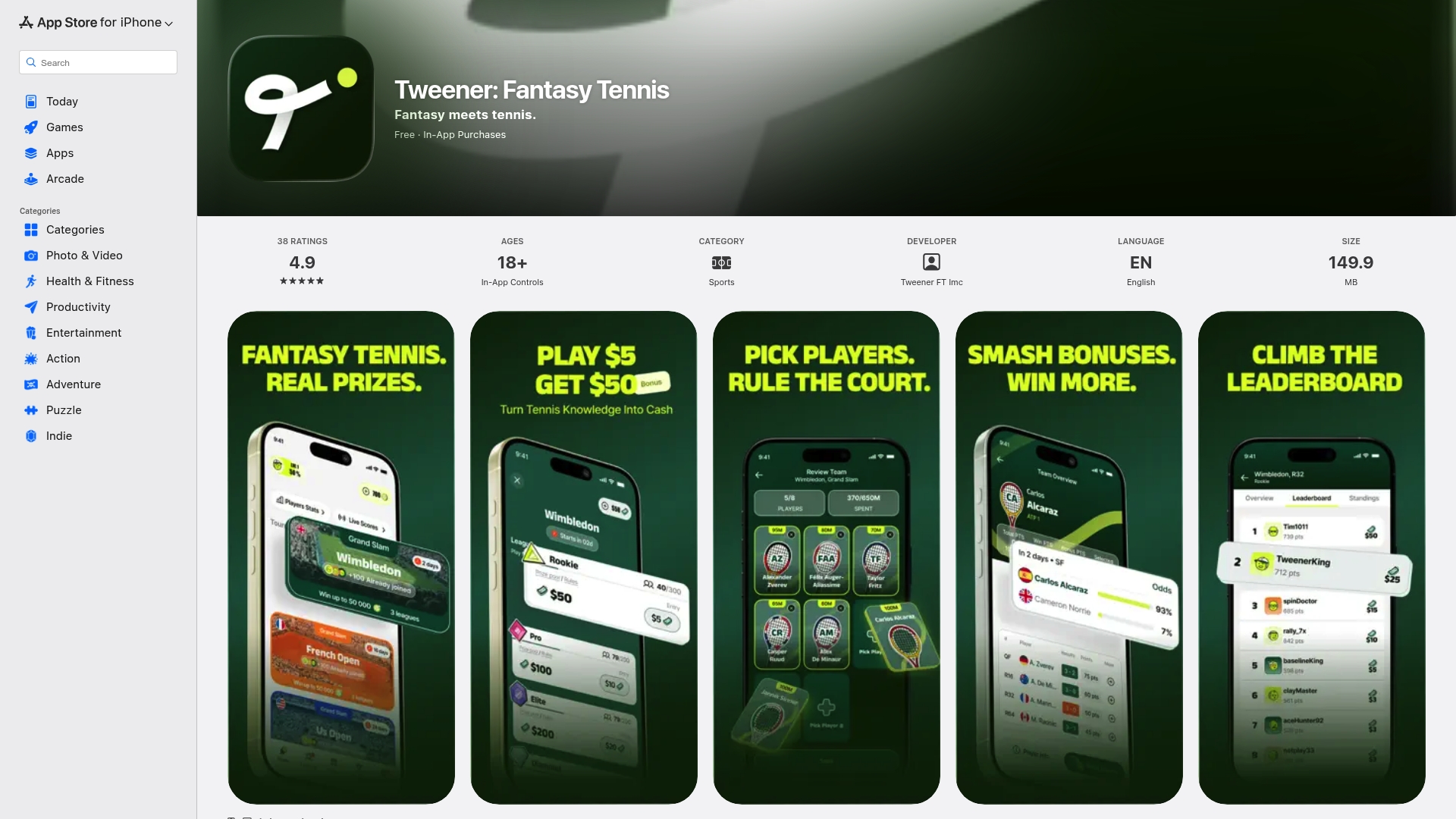
Download the Tweener app to start building your fantasy team with top ATP and WTA picks for 2026. The platform's free mode lets you practice strategies with virtual coins, while cash mode offers real-money competitions for serious players. Learn detailed Tweener game rules to maximize your strategy and understand scoring systems that reward smart player selection. Join a community of tennis fans using data-driven picks to elevate their fantasy tennis success and compete in leagues throughout the professional tennis season.
FAQ
Which ATP player is the best fantasy pick for 2026?
Carlos Alcaraz is the top-ranked ATP player in 2026 with 13,550 points and high win ratios against top 10 competitors. His consistent performance across all surfaces and favorable head-to-head records make him the most reliable fantasy option. Check current 2026 ATP rankings for updates.
How does surface type affect fantasy player selection?
Surface type strongly influences player effectiveness, with specialists excelling on clay, hard, or grass courts. Selecting players whose strengths align with tournament surfaces boosts fantasy points significantly. Iga Swiatek dominates clay while Coco Gauff excels on hard courts, making surface matchup a critical selection factor.
What is the best strategy for budget-restricted fantasy mode?
Balance your budget by investing about 60% in star players for points stability and 40% in emerging players for upside potential. This approach maximizes fantasy point returns within budget restrictions while maintaining roster flexibility. Review fantasy tennis expert picks for specific allocation strategies.
Should I avoid players returning from injury?
Yes, players returning from recent injuries typically score fewer fantasy points initially due to reduced match fitness and form. Wait until they demonstrate consistent performance over two to three tournaments before adding them to your roster. Monitor injury reports daily to avoid selecting compromised players.
How often should I update my fantasy tennis roster?
Update your roster weekly as tournament draws are released and player form fluctuates. Tennis is a dynamic sport where momentum shifts rapidly, requiring constant monitoring of recent results, injury status, and upcoming matchups. Stay current with player updates to maintain competitive advantage throughout the season.