
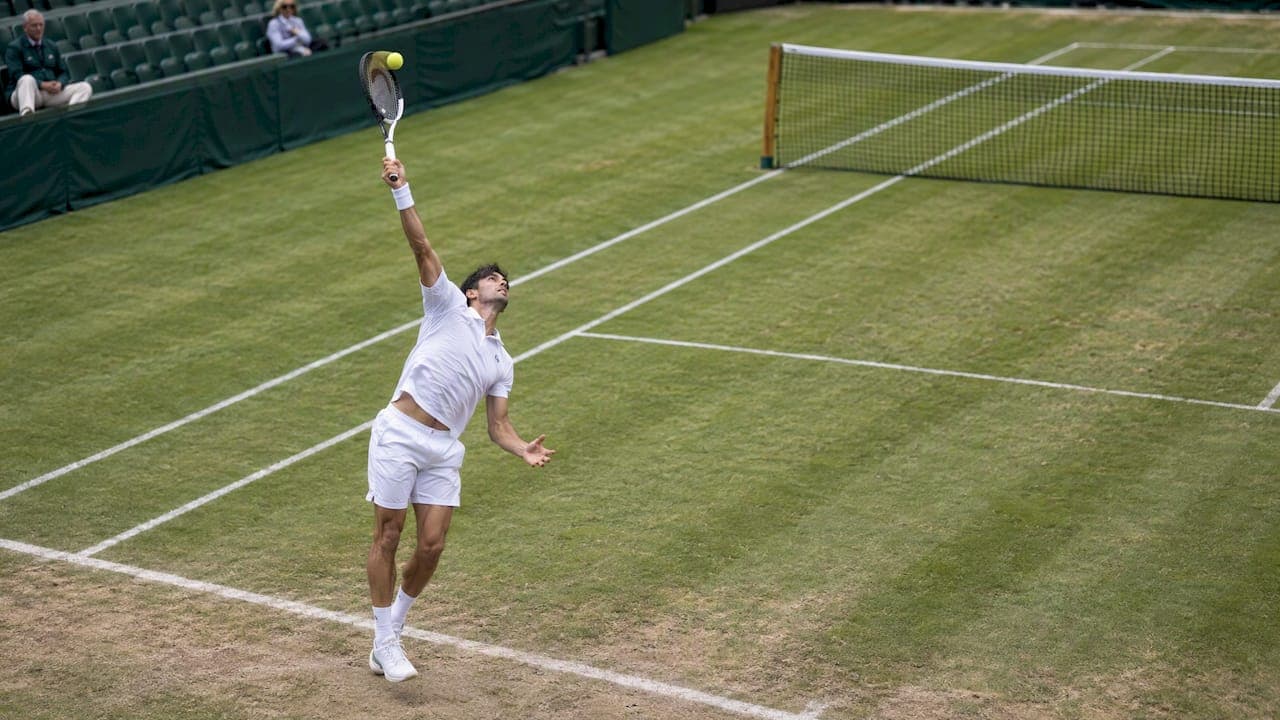
The 2026 grass swing is the six-week stretch of grass-court tournaments that runs through June and climaxes at Wimbledon, and it is one of the most volatile, fantasy-relevant windows on the entire calendar. Short matches, fast surfaces and compressed ranking points mean form can flip overnight. Start tracking serve percentage and short-point win rates now, because early-swing data is exactly what separates a smart grass pick from a guess.
TL;DR:
- Wimbledon runs June 29 to July 12, 2026, closing a six week stretch of ATP and WTA 250 and 500 events that can influence seeding.
- Track first serve percentage, return games won, and tiebreak frequency; final pre Wimbledon results offer a strong form signal, so delay lineup locks until then.
- Grass rewards quick attacking points, yet long contests and dramatic match point saves preserve volatility; worn courts favor players who vary spin and depth.
- Use two or three proven grass servers for stability, then spend the final pick on a volatile specialist who tends to improve as courts wear.
Table of Contents
- The 2026 Grass-Court Calendar at a Glance
- How Grass Courts Change the Way Points Are Played
- Why the Grass Swing Moves Rankings Fast
- Week-by-Week: What to Watch During the Grass Swing
- Fantasy Strategy for the Grass Swing
- Why the Grass Swing Is the Best Six Weeks for Fantasy Tennis
- Turn the Grass Swing Into Your Best Fantasy Stretch Yet
- FAQ
- Sources
The 2026 Grass-Court Calendar at a Glance
Grass season is short by design. Only a handful of weeks separate the clay finals from Wimbledon's opening serve, and tournament organizers pack the calendar accordingly. The WTA's 2026 grass swing runs through June into Wimbledon, which itself takes place from June 29 to July 12, 2026. On the men's side, the ATP grass calendar includes several ATP 250 and ATP 500 events before the same Wimbledon fortnight closes the swing.
The events break down roughly like this:
- Early tune-ups: ATP 250 and WTA 250-level events in the first grass week, where players shake off clay habits.
- Mid-swing 500s: Higher-prestige ATP 500 and WTA 500 tournaments that draw most top-20 players and carry heavier ranking points.
- Final warm-ups: The last pre-Wimbledon week, often the clearest form indicator before the draw.
- Wimbledon: The only Grand Slam played on grass, running June 29 to July 12, 2026.
For a fuller rundown of what counts as a marquee stop beyond grass season, our 2026 tournament guide covers the whole year.
How Grass Courts Change the Way Points Are Played
Grass plays lower and faster than clay or hard courts. The ball skids rather than kicking up, which shrinks reaction time and rewards players who take the ball early or serve big. That single trait reshapes shot selection across the board: fewer heavy topspin rallies, more flat, first-strike tennis.
The 2026 grass-court stats wrap found an above-average share of long matches and multiple dramatic match-point saves during the swing, a sign that even serve-dominated grass tennis produces tight, three-set volatility rather than quick, predictable blowouts.
Court conditions also shift as tournaments progress. Grass wears unevenly, patches thin out near the baseline, and bounce becomes less predictable in the second week of an event. Players who vary spin and depth tend to gain an edge as the draw advances, which matters when you are projecting quarterfinal and semifinal performance rather than just the opening round. For a deeper technical breakdown, see our full explainer on how grass courts affect play.

Why the Grass Swing Moves Rankings Fast
Because the grass season lasts only about six weeks, ranking points that would normally spread across a longer stretch of the calendar get concentrated into a handful of events. The ATP Tour frames this short window as one reason the grass season rewards players who adapt quickly: there is little time to recover from a slow start.
A single deep run can do more damage, or more good, to a ranking than a similar result on hard courts simply because so few points are on offer elsewhere during that stretch. A player who reaches a 500-level final picks up points that can lift them several spots before Wimbledon seeding is locked in, while a shock early loss can just as easily drop a seeded player into a tougher Wimbledon draw. That seeding effect is why the pre-Wimbledon weeks matter so much: results there do not just reward the swing itself, they shape the biggest tournament of the grass season.

Week-by-Week: What to Watch During the Grass Swing
The grass swing moves fast enough that waiting a week to react can cost you an entire fantasy cycle. Here is the rhythm to track:
- Week one (early 250/500 events): Watch first-round results closely. These matches reveal who adjusted from clay and who is still timing their strokes.
- Week two (peak 500-level events): Top players enter in force. Serve percentage and break-point conversion here are strong predictors heading into Wimbledon.
- Week three (final tune-ups): The clearest form signal of the swing. Avoid locking fantasy lineups before these results land.
- Weeks four and five (Wimbledon, first week): Prioritize players with strong first-serve percentage and low unforced-error rates in best-of-five or best-of-three formats.
- Week six (Wimbledon, second week): Court wear favors adaptable shot-makers. Reassess any pick who has not faced a break point all tournament.
Metrics worth checking weekly include first-serve percentage, return games won and tiebreak frequency, all of which tend to spike during the grass swing compared with other surfaces.
Fantasy Strategy for the Grass Swing
Grass rewards efficiency, and fantasy scoring rewards the same thing. Players who win a high share of their service points in four shots or fewer tend to outperform their seeding on grass, because short points limit the number of break-point chances they face and keep match length, and therefore variance, low.
A few practical tactics for the swing:
- Favor servers early. First-serve percentage and ace rate translate directly into fewer vulnerable return games.
- Save volatility for pick'em. Draft Mode rewards consistency across a tournament, so pick'em-style week-to-week calls are the better place to chase a grass specialist with a hot streak.
- Use surface and head-to-head filters when building a roster, since grass-specific form often diverges sharply from a player's season-long ranking.
- Wait on lineup locks until after the final pre-Wimbledon week, when form signals are strongest.
- Set up a private league for Wimbledon itself, where head-to-head pressure against friends sharpens decision-making round by round.
Scoring specifics, including how service and return stats translate into points, are covered in our guide to how fantasy tennis points are calculated, and sample picks for this swing are in our 2026 fantasy picks roundup.
Pro Tip: Build your roster around two or three proven grass servers for stability, then use your last pick on a volatile, lower-ranked grass specialist who tends to improve as courts wear down.
Why the Grass Swing Is the Best Six Weeks for Fantasy Tennis
Grass rewards the player who reads form fastest, not the one with the deepest season-long stats. That volatility is exactly what makes a short window so much fun to play. Private leagues sharpen it further: competing against a handful of friends through a single tournament turns every service break into a shared argument.
— Nathan
Turn the Grass Swing Into Your Best Fantasy Stretch Yet
Our platform offers Draft Mode and Pick'em Mode, which fit fast-moving stretches perfectly: draft a full grass-swing roster for season-long strategy, or make quick, tournament-by-tournament picks when form is shifting daily.
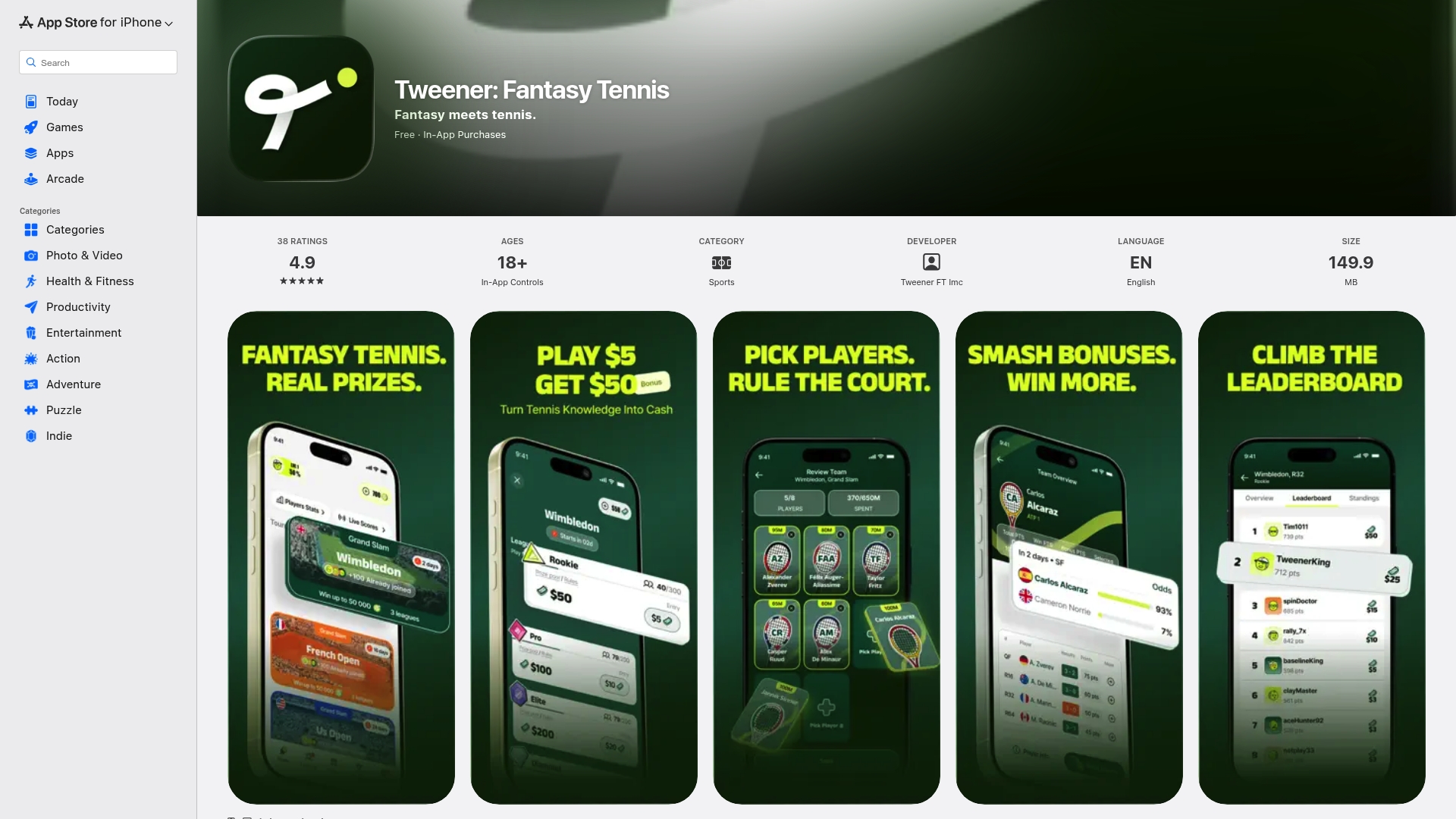
Play free with virtual coins or enter cash contests where legally permitted, respecting local regulations for paid leagues. Get started on our Draft Mode and Pick'em Mode page or download the app and build your grass-swing roster before the next tune-up starts.
FAQ
What is the only tennis major still played on grass?
Wimbledon is the only Grand Slam still played on grass, running June 29 to July 12, 2026. The other three majors use hard or clay courts.
Are there still grass tennis courts in professional tennis?
Yes, grass courts remain part of the professional calendar through the short pre-Wimbledon swing. The 2026 WTA and ATP grass seasons feature several tour-level events before Wimbledon.
What is the grass tournament before Wimbledon?
Several ATP 250, ATP 500, WTA 250 and WTA 500 events are held on grass in the weeks before Wimbledon, serving as tune-ups. The ATP's 2026 grass calendar lists the full lineup of these events.
What Grand Slam tournament is played on grass?
Wimbledon is the Grand Slam played on grass, and it closes out the grass swing each year. Its 2026 edition runs from June 29 to July 12.
How do I pick fantasy players for the grass swing?
Prioritize players with strong first-serve percentages and short-point efficiency, since grass rewards quick, low-error points. Our guide to fantasy scoring breaks down exactly how those stats convert into points.
Sources
- Grass-Court Swing 411: Dates, draws, prize money and everything you need to know
- What is the 2026 grass season calendar on the ATP Tour?