
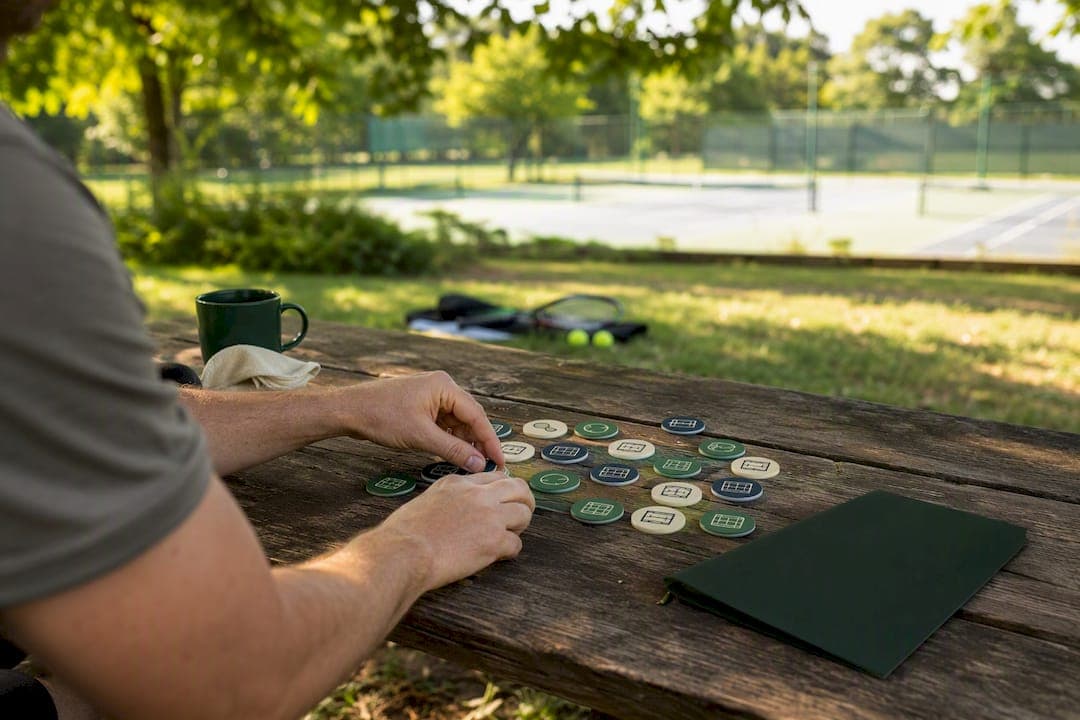
The winning pick'em tennis strategy comes down to three things: chase value over rankings, specialize by surface, and run the same disciplined checklist before every lock. Skip the temptation to load up on the world's top four just because their names look safe. A structured process that weighs surface form and draw path over reputation, backed by a quick pre-lock check for injuries and withdrawals, consistently beats star-chasing over a full season.
TL;DR:
- Focusing on surface-specific form and draw difficulty provides more reliable value than relying solely on rankings or seedings.
- Retirements during a match do not automatically void related picks; the key factor is whether the set or game was underway when the match ended.
- A disciplined pre-lock checklist and a consistent research process significantly reduce common betting mistakes and improve pick accuracy.
- Live odds should confirm pre-match analysis but not override it unless clear on-court signals support the shift.
- Logging each pick with a reason enhances learning and helps identify patterns that lead to better decision-making over time.
Table of Contents
- The Pick'em Tennis Strategy Checklist Before You Lock Picks
- How Pick'em Scoring Rules Handle Retirements and Played Markets
- Building a Pre-Tournament Research Framework That Actually Works
- Staking Discipline and In-Play Adjustments During Live Matches
- Common Pick'em Mistakes and Your Copyable Final Checklist
- Tweener and Nathan: Practical Examples for Applying This Process
- How to Use Live Betting Odds Inside Your Pick'em Strategy
- Try Tweener to Practice and Apply This Strategy
- One Tournament, One Lesson
- Sources
The Pick'em Tennis Strategy Checklist Before You Lock Picks
Most pick'em losses trace back to skipped steps, not bad luck. Run through these six checks in order and you'll catch the mistakes that actually cost points.
- Shortlist by surface and form. Pull the last 6 to 8 matches for each candidate and weight surface-specific results heavier than overall record.
- Hunt for value, not headlines. A seeded player with a brutal draw section is often a worse pick than an unseeded player who drew a soft path to the quarterfinals.
- Map the draw to the late rounds. Ask who avoids the top-heavy quarter, not just who's ranked higher on paper.
- Run the injury and withdrawal check. Retirements and late scratches change everything about how a pick scores. Pick one market and commit. Match winner, total sets, or games markets each carry different variance. Mixing them without a plan is how bankrolls bleed.
- Lock and set a reminder. Schedule a last check 30 to 60 minutes before lineup lock for any late news.
Pro Tip: Keep a running note of players whose draws look easy on paper but who have a bad recent history against lower-ranked opponents on that surface. That mismatch is where public pick'em pools consistently misprice value.
How Pick'em Scoring Rules Handle Retirements and Played Markets
Retirements and walkovers confuse more pick'em players than any other rule, and it's usually because they assume a match that ends early automatically voids every related pick. It doesn't work that way.
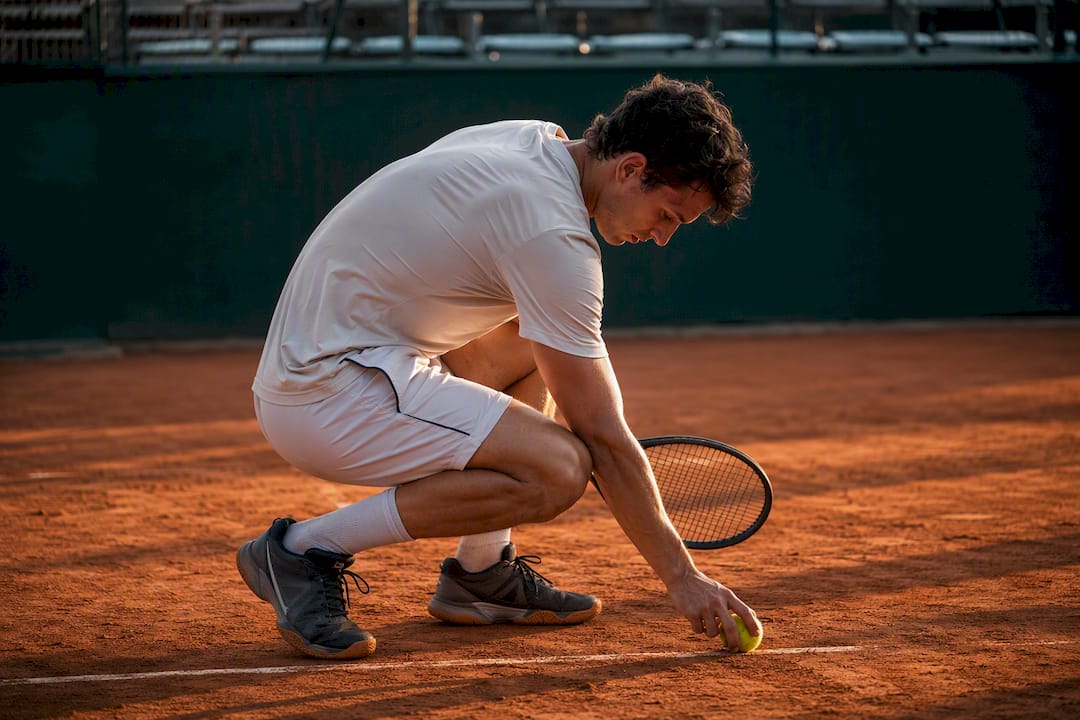
A set or game is officially considered "played" once the first point of it has started. That single detail determines whether your pick survives a retirement or gets voided, and it's spelled out clearly on platform scoring pages that every serious player should bookmark. If a player retires mid third set, a set-winner pick on that third set generally still counts because it was underway. A pick on a set that never started gets voided.
Quick rule-of-thumb checklist for messy matches:
- If the first point of a set began, treat that set as played for scoring.
- Tiebreaks and super-tiebreaks count as part of the set they decide, not as separate markets.
- Walkovers before a match starts void nearly everything tied to that match.
- When in doubt, check the specific contest's scoring rules before you assume a voided pick.
Building a Pre-Tournament Research Framework That Actually Works
Good pick'em decisions come from a repeatable filter sequence, not gut instinct on tournament morning. Start with the draw itself: a player's path to the fourth round or quarterfinals matters more than their ranking, because an easy section means more matches, more data points, and more chances to score.
Surface specialization comes next. A player's hard-court win rate tells you almost nothing about their clay-court ceiling, so pull surface-specific numbers rather than career-wide stats. Layer in recency: the last 6 to 8 matches plus a 90-day surface form window catches players who are heating up or cooling off before the broader narrative catches up. A 4-filter method built around odds traps, surface Elo, 90-day form, and fatigue checks can cut a full day's slate down to two or three genuinely high-probability picks, which is roughly the discipline pick'em players should borrow.
Head-to-head records deserve a caveat: only trust H2H data filtered to the same surface and a recent window. A 5-1 career head-to-head record means little if four of those wins happened on clay and this match is on a hard court. Value detection is where the real edge lives, since systematic processes that weight surface, form, and draw over rankings alone tend to produce more consistent results than picking by seed number.
| Research input | What to check | Why it matters |
|---|---|---|
| Draw path | Section difficulty through round 4 | Easier paths mean more scoring opportunities |
| Surface form | Win rate on that specific surface, last 90 days | Career stats hide surface weaknesses |
| Recent matches | Last 6 to 8 results | Catches momentum shifts early |
| Head-to-head | Same-surface matchups only | Cross-surface H2H is often misleading |
Your toolkit doesn't need to be complicated: official ATP and WTA stats pages, a reliable tennis news feed for injury updates, and player social media for practice-court reports round out a workable research stack.
Pro Tip: Bookmark each player's surface-specific stats page instead of their overall profile. It saves five minutes of digging every single time you build a shortlist.
Staking Discipline and In-Play Adjustments During Live Matches
Live tennis creates value the moment a favorite drops the first set and their odds expand, but that same moment is where undisciplined players make their worst decisions.
- Stake flat, stake small. Consistent unit sizes across every pick protect you from one bad read wiping out a week of good ones.
- Set a swap threshold before the match starts. Decide in advance what odds movement or score line would make you reconsider, not in the heat of the moment.
- Watch for fatigue signals. A third straight three-set match in a week is a red flag regardless of ranking.
- Use alerts, don't babysit the match. A quick recheck at set breaks beats obsessively refreshing a live score.
- Hold your original read unless something concrete changed. A single dropped service game isn't new information; an ankle roll is.
Mastering one market before you start stacking signals together is exactly the discipline that separates consistent players from streaky ones. Betting research on staking discipline backs this up: players who commit to one market and only add complexity after proving consistent results reduce their variance substantially compared to those juggling multiple bet types from day one.
Pro Tip: If you feel the urge to swap a pick mid-match, wait ten minutes. Most in-the-moment reactions to a single game don't hold up once you see the next few points.
Common Pick'em Mistakes and Your Copyable Final Checklist
The same handful of errors show up in nearly every losing pick'em card. Overvaluing marquee names tops the list. A top-5 player against a dangerous clay specialist in the round of 32 is not an automatic pick just because the name is bigger. Ignoring the surface and draw mismatch is the second most common trap, closely followed by relying on aggregated head-to-head numbers that blend hard court, clay, and grass results into a misleading composite.
Skipping the injury and withdrawal check right before lock costs more picks than any strategic error. So does chasing a long-shot upset pick with no supporting process behind it, just because the payout looks attractive.
- Don't pick by ranking alone. Check surface-specific form first.
- Don't trust cross-surface H2H records.
- Don't skip the final injury and lineup check within an hour of lock.
- Don't chase upside without a reason you could explain out loud.
- Don't "set and forget" your lineup the night before.
| Mistake | Fix |
|---|---|
| Overvaluing star power | Weight surface form and draw over ranking |
| Aggregated H2H | Filter head-to-head to same surface, recent window |
| Skipped injury check | Recheck within 60 minutes of lock |
| No process for upside picks | Require a specific, stated reason before picking a long shot |
Tweener and Nathan: Practical Examples for Applying This Process
Here's how this looks in practice during a Grand Slam. Before the first round locks, Nathan runs the surface and draw filters, cross-checks injury reports, and logs the pick with a one-line reason before moving to the next match. That log is the habit that actually improves pick quality over a season, more than any single sharp read.
- Copy a simple log: player, surface, draw notes, reason for pick, final result.
- Review misses weekly. Patterns in your bad picks matter more than patterns in your good ones.
- Dig deeper into building a winning lineup and tournament prediction strategy for surface-by-surface breakdowns.
- Tweener's live scoring and private league features map directly onto this process, letting you track picks against friends in real time during a Slam.
How to Use Live Betting Odds Inside Your Pick'em Strategy
Live odds are a signal, not a betting slip, and treating them that way is what separates sharp pick'em players from the ones chasing scoreboards. When a favorite's live odds expand after dropping a set, that shift usually reflects genuine new information: a service break, a physical issue, a shift in match tempo. Reading that shift correctly means checking whether it matches something you can see on court, not just reacting to the number itself.
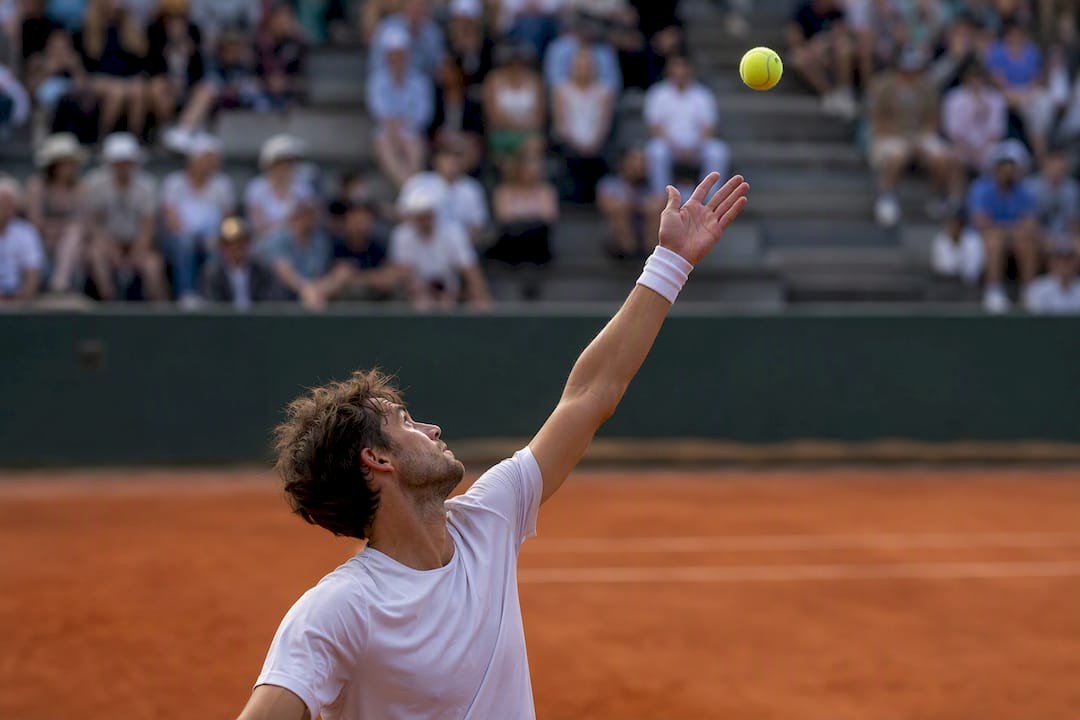
The practical move is treating in-play odds as a confirmation tool for picks you've already reasoned through, not a fresh source of ideas mid-match. If your pre-match research flagged a player as vulnerable on this surface and the live odds start drifting against them, that's confirmation to hold your read. If the odds move but nothing visible on court explains it, that's a signal to dig one level deeper, checking for an injury report or a coaching change, before acting.
Avoid the trap of treating every live odds swing as actionable. A single break of serve in a best-of-five match barely moves the real probability of who wins, even if the number on a live odds board jumps. Save your attention for scoreline shifts that change the actual math: a two-set deficit, a fitness concern visible in movement between points, or a tiebreak loss that shifts momentum heading into a decisive set. Cross-reference that with your original surface and form research rather than letting a live number override work you already did.
Try Tweener to Practice and Apply This Strategy
Tweener gives you a place to actually run this checklist against real Grand Slam draws instead of just reading about it. You get live scoring that updates as matches happen, private leagues where you can go head-to-head with up to nine friends per tournament, and both draft and pick'em modes that reward the exact surface and value analysis covered above.
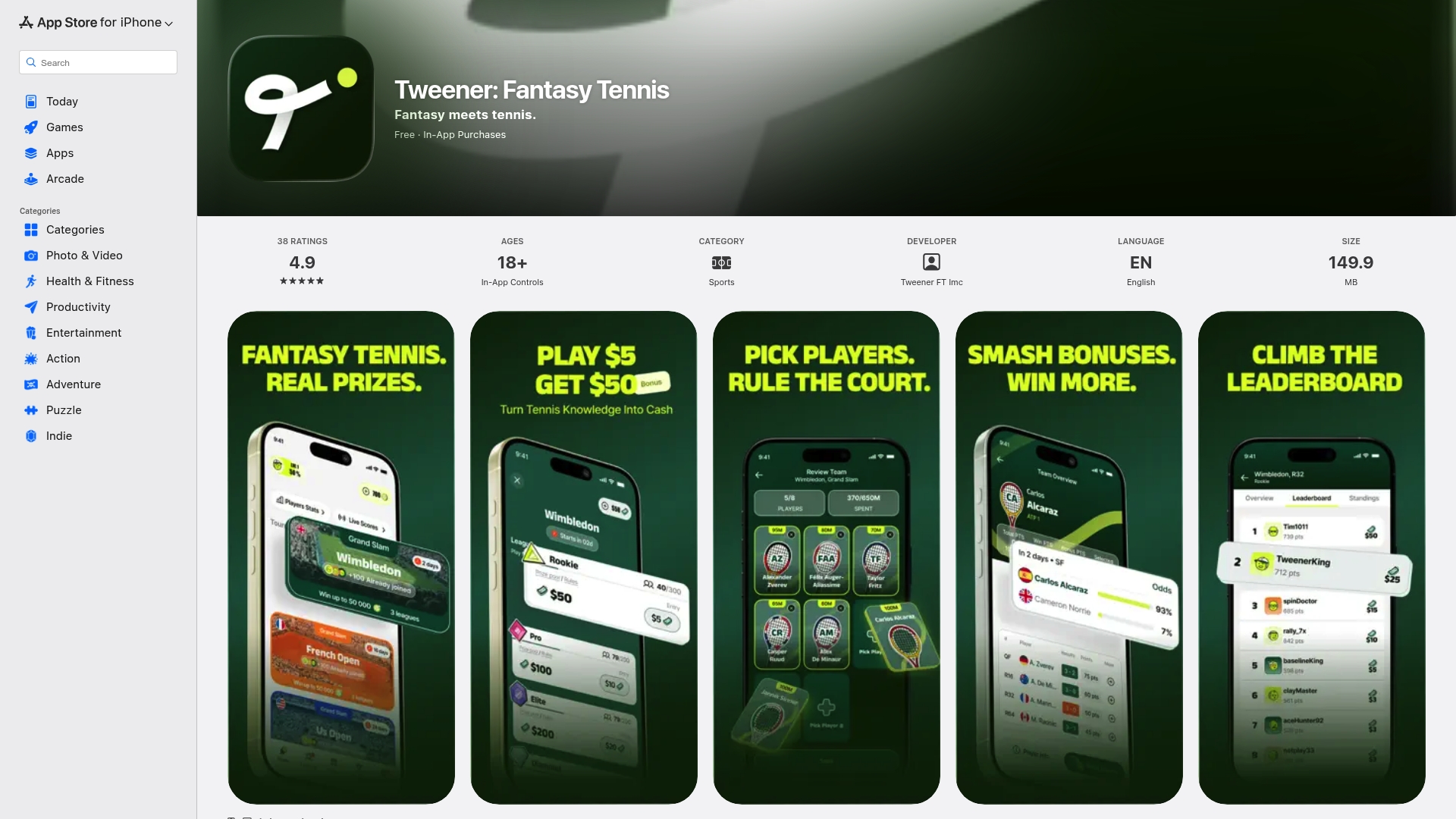
Start in free mode using virtual coins if you want to test your surface filters and draw analysis without any risk, then move into cash contests where they're legally available once your process is producing consistent results. Either way, the scoring rules and draw data are the same ones a serious analytical player needs, not a simplified version built for casual clicks. Download Tweener and build your first lineup for the next Slam using the checklist above.
One Tournament, One Lesson
I once passed on a mid-tier clay specialist with a soft draw because his ranking looked unremarkable, and watched him run to the semifinals while my star pick lost in round two. The lesson stuck: value beats reputation, every single time. Log every pick and the reason behind it. That habit will teach you more than any single tournament result ever will.
— Nathan
Sources
- Tennis Betting Strategies — 7 Proven Approaches (2026 Guide) | TIPERO
- Today's Tennis Predictions: The 4-Filter AI Method for Picking ATP and WTA Matches — ProbWin