
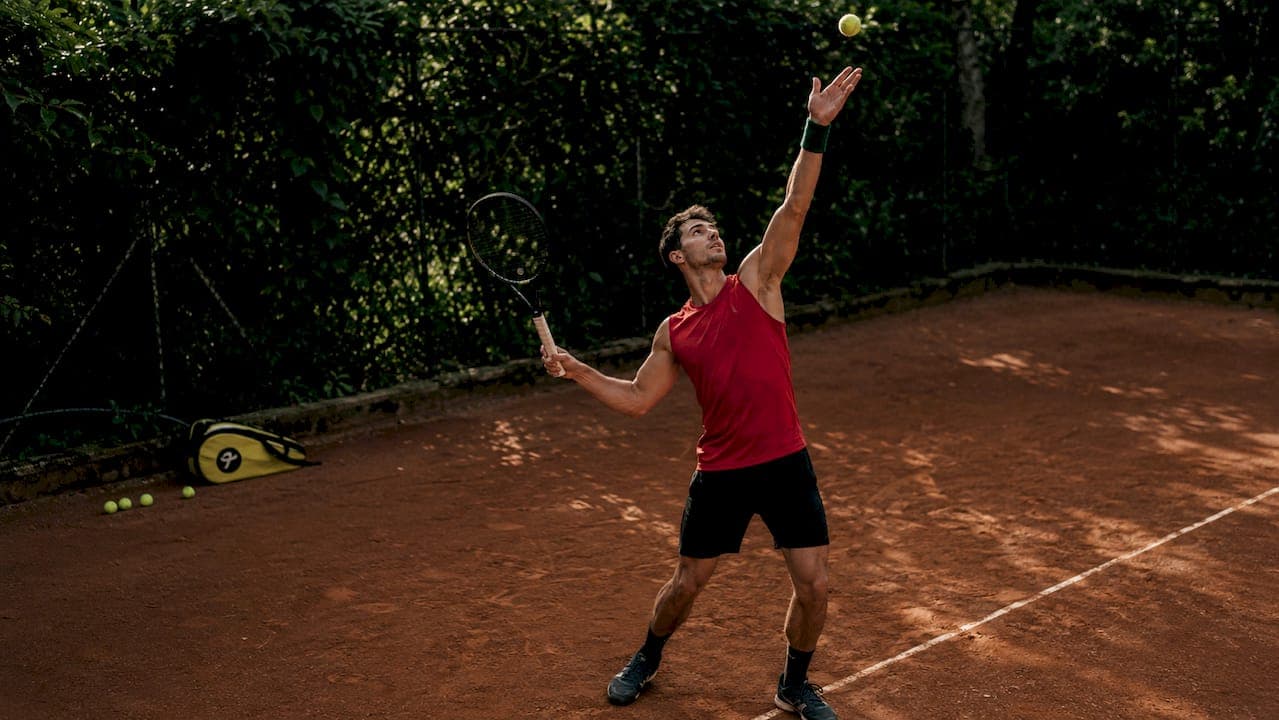
TL;DR:
- Mastering the first four shots in rallies is crucial, as over 60% of points are decided early. Building consistent, strategic plays and analyzing opponents quickly enhances success in both real and virtual tennis. Structured practice and tactical awareness improve skills and decision-making for competitive advantage.
Educational tennis gaming tips are strategies and techniques that help players sharpen their skill, decision-making, and performance in tennis video games and fantasy competitions through focused practice and gameplay insight. The best players in both real tennis and fantasy formats share one trait: they study the game before they play it. Whether you're picking ATP players for a Tweener fantasy league or grinding through match modes in a virtual tennis title, the same core principles apply. Shot mastery, mental discipline, opponent reading, and smart resource use all determine who wins and who watches from the sideline.

1. Master the first four shots of every point
Over 60% of tennis points are won or lost within the first four shots. That single fact should reshape how you practice and how you think about every rally. The serve, the return, and the two shots that follow are where matches are decided. Everything else is cleanup.
In virtual tennis titles, this translates directly. Your serve sets the tone. A weak or predictable serve gives your opponent a free look at a return winner. A well-placed serve forces a defensive reply and puts you in control of the third shot.
Shot types every player needs to develop:
- Flat serve: Maximum pace, low bounce. Best on fast surfaces.
- Slice serve: Kicks wide on the deuce side. Forces opponents off the court.
- Topspin return: Keeps the ball deep and neutralizes big serves.
- Slice approach: Low ball that forces opponents to lift, creating a weak reply.
- Drop shot: Punishes opponents camped at the baseline.
Relying only on flat shots is the most common beginner mistake. Mixing spin and direction forces opponents to adjust constantly. That adjustment is where errors happen.
Pro Tip: Practice each shot type in isolation before combining them. Consistency on the topspin groundstroke, for example, builds the foundation for every other pattern you run.
2. Build your serve around consistency, not power
A 60% first-serve percentage is the coaching standard for reliable match performance. Chasing raw pace at the cost of accuracy puts you in second-serve situations constantly. Second serves invite aggression from opponents.
In gaming contexts, this principle is identical. Serving at 80% power with high placement accuracy beats a 100% power serve that lands out half the time. The math is simple: more first serves in play means more free points and fewer defensive rallies.
Target the corners and the body. A serve aimed at the opponent's hip is one of the most underused weapons in both real and virtual tennis. It jams the return and limits angle options.
3. Apply aggressive patience in rallies
Aggressive patience is the discipline of building a rally with purpose rather than forcing low-percentage winners. The concept separates competitive players from casual ones. Swinging for the lines on the third ball of a rally is how points are lost, not won.
The correct approach is to construct the point. Move your opponent wide, recover the center, then attack the open court when the short ball arrives. This pattern works in real matches and in virtual tennis equally well.
"Successful competitive players excel by applying aggressive patience, focusing on rally-building moves rather than risky winners. The point is won before the winner is hit."
Practicing this mindset in gaming builds habits that transfer directly to fantasy tennis analysis. When you understand why a player like Carlos Alcaraz constructs points rather than just blasting winners, you make better picks in Tweener leagues.
4. Train with match-like pressure, not mindless repetition
More practice does not guarantee better results. Purposeful repetition linked to match conditions is what drives real improvement. Hitting 200 forehands in a row with no pressure teaches your arm, not your brain.
The concept is called "match transfer." Every drill or practice session should simulate a decision you face in a real point. In gaming, this means playing against opponents at your level or slightly above, not grinding easy AI matches for stats.
A numbered framework for building match-transfer practice sessions:
- Warm up with purpose. Five minutes of controlled rallies, not random hitting.
- Run pattern drills. Practice a specific sequence: serve wide, follow with a crosscourt forehand, finish with an inside-out winner.
- Add a consequence. Play points where losing a rally costs you a game. Pressure sharpens focus.
- Review and adjust. After each set of points, identify one thing you did wrong and fix it in the next set.
- Finish with free play. Let the patterns you drilled show up naturally in unstructured points.
A structured 90-minute practice combining warm-up, technical drills, and competitive games produces visible improvement within 2–3 weeks. That timeline applies to gaming skill development as much as it does to on-court training.
5. Read your opponent early and adapt fast
Recognizing opponent style early and adapting tactics accordingly is the single biggest factor separating competitive players from amateurs. The first two games of any match are a scouting report. Use them.
The four opponent types you will encounter most often:
- Aggressive baseliner: Hits hard from the back. Force them to play at net or hit on the run.
- Counterpuncher: Feeds off your pace. Use heavy topspin, change direction, and vary pace to disrupt rhythm.
- Serve-and-volleyer: Rushes the net constantly. Lob early to test their overhead, then pass low.
- All-court player: Adapts to everything. Force them into a pattern they dislike and stay there.
| Opponent type | Key weakness | Tactical response |
|---|---|---|
| Aggressive baseliner | Short balls and net play | Drop shot and approach |
| Counterpuncher | Pace changes and angles | Slice and heavy topspin |
| Serve-and-volleyer | Lobs and passing shots | Low returns and lobs |
| All-court player | Repetition and discomfort | Lock in one pattern early |
Pro Tip: In virtual tennis, test your opponent's backhand in the first game with three consecutive deep balls. If they push it back short, you have found your target for the rest of the match.
This skill transfers directly to fantasy tennis strategy. Understanding that a clay-court counterpuncher will grind down an aggressive baseliner at Roland Garros is exactly the kind of read that wins Tweener leagues.
6. Use tutorials and structured resources before you play
Completing structured tutorials in virtual tennis games takes roughly 1.5 hours but unlocks core gameplay mechanics and special equipment like Fever rackets. Skipping tutorials to jump into matches is the fastest way to develop bad habits that are hard to unlearn.
Tutorials teach you what the game rewards. Shot timing windows, stamina management, and special move activation all have specific mechanics. Learning them in a low-stakes environment means you use them correctly under pressure.
What to prioritize in any tennis game tutorial:
- Shot timing: Most virtual tennis games reward early contact. Learn the timing window before anything else.
- Stamina or energy systems: Running your player into the ground early limits shot quality late in sets.
- Special shots or power moves: Fever rackets in Mario Tennis Fever, for example, change the entire tactical picture when used correctly.
- Camera and control settings: Adjusting game settings like camera angle and control layout to fit your style reduces reaction time and improves shot selection.
Pro Tip: Spend 20 minutes in practice mode after finishing tutorials. Apply each mechanic you learned in a live-ball situation before entering ranked matches.
7. Use pattern recognition to anticipate, not react
Reacting to shots is slower than anticipating them. Pattern recognition means reading your opponent's body position, racket angle, and court position to predict where the ball is going before it leaves the strings.
In virtual tennis, this skill develops through repetition against varied opponents. After 10 matches against aggressive baseliners, you start to see the crosscourt forehand coming before the animation completes. That half-second advantage changes everything.
The same principle powers interactive sports apps that use gamified feedback to build recognition skills. The faster you read patterns, the better your decisions become, in gaming and in fantasy picks alike.
8. Manage your in-game resources strategically
Every tennis game has a resource system, whether it is stamina, energy, special shots, or coins. Burning your best resource on a low-stakes point is the equivalent of hitting a second serve at 100% pace: high risk, low reward.
Save Fever rackets or power shots for break points and set-deciding moments. Use standard shots to build the point, then deploy your resource when the payoff is highest. This mirrors real tennis, where players like Novak Djokovic conserve energy in early sets to peak in the fifth.
The same logic applies to Tweener's fantasy format. Spending your best lineup on an early-round contest when a Grand Slam final is coming is poor resource management. Timing your strongest picks to the highest-value moments is a skill, not luck.
Key Takeaways
Mastering educational tennis gaming tips requires combining shot mechanics, mental discipline, opponent reading, and smart resource use to build a consistent competitive edge.
| Point | Details |
|---|---|
| First four shots decide points | Over 60% of points end within four shots, so serve and return are your top priorities. |
| Consistency beats power | A 60% first-serve rate outperforms raw pace; apply the same logic to virtual serving. |
| Aggressive patience wins rallies | Build points with purpose rather than forcing low-percentage winners early in rallies. |
| Match-transfer practice works | Structured 90-minute sessions with match-like pressure produce improvement within 2–3 weeks. |
| Read opponents early | Identify opponent type in the first two games and lock in a tactical response immediately. |
What I've learned from blending real tennis tactics with gaming
The most useful thing I did for my tennis gaming was stop treating it as separate from real tennis strategy. Once I started applying the same opponent-reading habits I use watching ATP matches to my virtual game, my win rate jumped noticeably.
The mental crossover is real. Aggressive patience is not a concept you understand by reading about it. You understand it by losing a match because you went for a winner on a 50-50 ball in the third game of the first set. That lesson sticks.
Fantasy tennis sharpened my tactical thinking more than any drill. Picking players for Tweener leagues forces you to think about surface, form, H2H records, and draw difficulty all at once. That kind of structured analysis makes you a better player and a better watcher. The online gaming checklist I keep coming back to is simple: study before you play, practice with pressure, and always know your opponent before the first point starts.
— Nathan
Tweener: where tennis strategy meets real competition
Tennis finally has a fantasy platform built for fans who actually understand the sport. Tweener is a skill-based fantasy tennis app where you build teams from real ATP and WTA players and compete in leagues based on live tournament results.
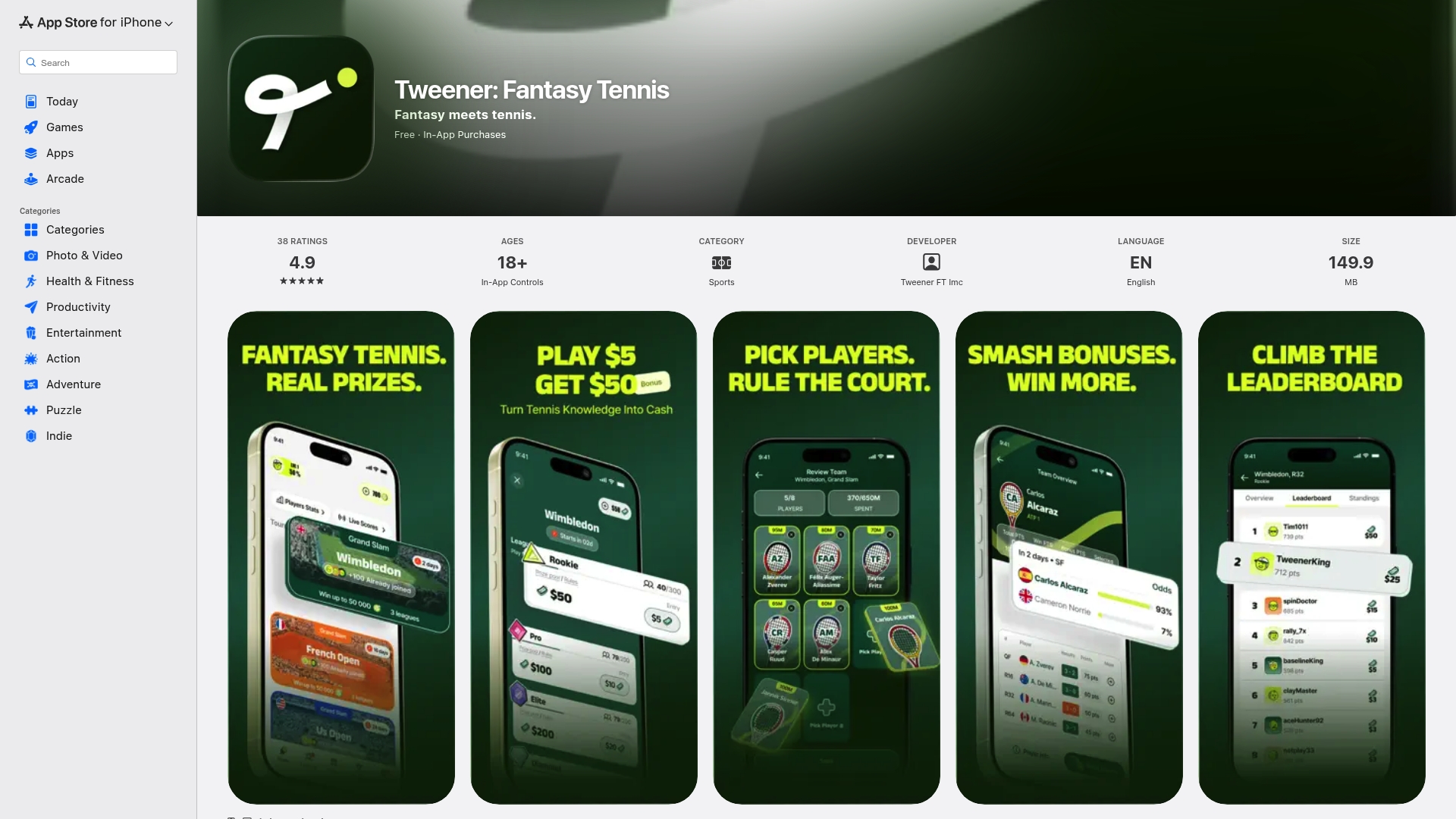
The platform rewards the same skills covered in this article: opponent analysis, surface knowledge, and reading form. Public leagues run during every major tournament, and private leagues let you compete with up to 9 friends through a full Grand Slam draw. The free mode uses virtual coins redeemable for gift cards, and the cash mode offers real-money contests where legally permitted. Download Tweener and put your tennis knowledge to work where it actually counts.
FAQ
What are educational tennis gaming tips?
Educational tennis gaming tips are techniques and strategies that help players improve their skill, decision-making, and performance in tennis video games and fantasy competitions through structured practice and tactical insight.
How does the first-serve percentage apply to gaming?
A 60% first-serve percentage is the coaching standard for consistent match performance. In virtual tennis, the same principle applies: accuracy and placement beat raw power every time.
What is aggressive patience in tennis?
Aggressive patience means building rallies with purpose rather than forcing low-percentage winners. The goal is to construct the point and attack only when a high-percentage opportunity appears.
How quickly does structured practice show results?
A structured 90-minute practice session combining drills and competitive play produces visible improvement within 2–3 weeks, whether on court or in a virtual tennis format.
How does opponent analysis help in fantasy tennis?
Recognizing opponent types and surface tendencies helps you predict match outcomes more accurately. That same analytical skill drives better player picks in Tweener fantasy leagues.