
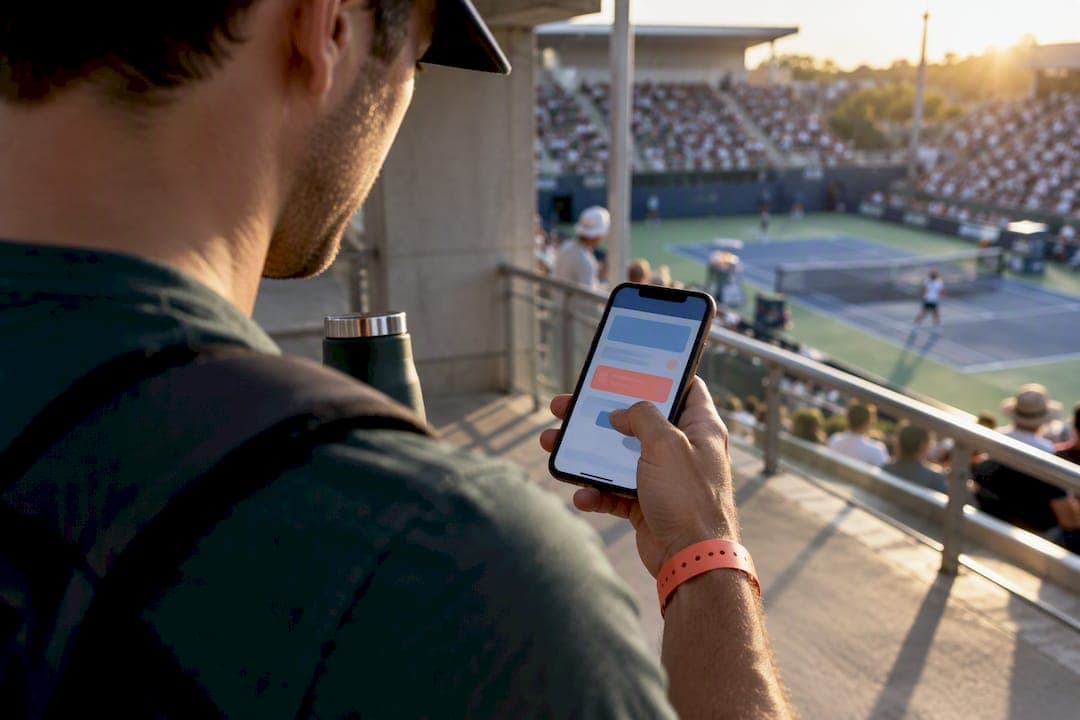
A late swap is a roster change you make after your original lineup has already locked, usually triggered by a scratch, injury, or match delay. Whether you can actually use one right now depends entirely on the platform's lock rules and whether the match in question has started. Tweener, for instance, locks per match rather than per slate, which gives you more windows to react than a single daily cutoff.
TL;DR:
- Late swaps are most effective when a player withdraws, is injured, or when weather delays push matches past the original lock time, especially in platforms with match-by-match locks.
- Lock windows vary across platforms, with most locking at scheduled start times, actual match start, or set completion, making real-time verification essential before attempting a swap.
- Effective late swapping relies on checking injury reports and lock statuses within 30 minutes before matches, and setting alarms can help react quickly to withdrawals or delays.
- In tournament formats with per-match locks, swift reactions can secure points from walkovers or delayed matches, often leading to league-winning moves if executed promptly.
- Always confirm each platform’s specific rules on postponements and retirements, as improper timing or eligibility issues cause swap rejections or scoring lags.
Table of Contents
- What Is Late Swap Fantasy Tennis and Why Does It Exist?
- When Are Lineup Swaps Actually Allowed?
- How Do I Perform a Late Swap Step by Step?
- When Should You Actually Use a Late Swap?
- Why Did My Swap Get Rejected or Show a Scoring Lag?
- How Does Tweener Handle Late Swaps in the App?
- How Do Late Swaps Change League Standings and Player Value?
- How Do Late Swap Rules Differ Across Fantasy Tennis Formats?
- What Do Real Tournaments Teach Us About Late Swap Timing?
- When Late Swaps Actually Win You Money
- Try specialized fantasy tennis apps' real-time roster tools before your next slate
- Sources
- FAQ
What Is Late Swap Fantasy Tennis and Why Does It Exist?
Fantasy tennis platforms build in late swap options because tennis produces chaos that other sports do not. A player pulls out with a hamstring issue ten minutes before first serve. Rain pushes a match to the next day. A qualifier no one drafted suddenly faces your rostered star in a walkover. Without some mechanism to react, your lineup gets frozen in a moment that no longer reflects reality.
The feature exists to keep your roster honest, not to let you chase every headline. Most platforms distinguish between a true late swap, which happens after initial lock but before a specific match or slate closes for good, and simply plugging in a pre-set alternate. Alternates can score full points if they replace a starter who withdraws, but that only works if you queued the alternate before lock. A late swap is the active, in-the-moment decision you make when something breaks after the fact.
Common triggers that platforms recognize for a late swap include:
- Confirmed injury withdrawal or retirement before a match starts
- Weather-related postponement that pushes a match past the original lock window
- A walkover where the scheduled opponent never takes the court
- Draw changes from qualifying or lucky-loser substitutions
Late-swap workflows tend to hinge on narrowly defined conditions like these rather than open-ended edits, so read your specific contest rules before assuming a swap will go through.
When Are Lineup Swaps Actually Allowed?
Lock timing is where most fantasy tennis players get burned, and it is not standardized across formats. Three lock structures show up most often:
- Scheduled match time lock. Your player locks at the officially scheduled start time, even if the match itself starts late. This is the strictest structure and the one that catches casual players off guard.
- Actual match start lock. The roster spot locks only once the first point is actually played, which gives you a buffer during rain delays or order-of-play shuffles.
- Set-by-set lock. Rare, but some daily formats lock scoring in blocks tied to set completion rather than the whole match, which changes how a mid-match swap affects your total.
Postponements and walkovers complicate all three. A rain-delayed match usually keeps its original lock time on daily-contest apps, meaning you can lose access to a swap window even though the tennis has not started. A walkover, where a player withdraws before a single point is played, typically reopens the roster spot entirely since no real match occurred. Retirements are trickier: once a match is underway, most platforms lock in whatever points were scored up to that moment and do not allow a swap back to full value.
Before you assume you have room to maneuver, run a quick check in whatever app you use: pull up the match center, confirm whether the platform shows "scheduled" or "live" status, and look for a countdown timer next to the roster slot. If the slot still shows an active swap icon, you are inside the window. If it is grayed out, the lock already happened even if the players haven't hit a ball.
How Do I Perform a Late Swap Step by Step?
The mechanics differ slightly by app, but the sequence is nearly identical everywhere. Here is the practical checklist to run through before, during, and after a swap.
Before you touch anything:
- Check lock status on the specific match, not just the overall slate.
- Scan for injury or scratch news from the tournament's official site or a live scores feed.
- Check weather at the tournament site if the match hasn't started.
- Note any last-minute order-of-play changes that might affect your other rostered players too.
Making the swap:
- Open your roster screen and select the locked or flagged player slot.
- Choose your replacement from the available alternates or free-agent pool.
- Confirm the swap and wait for the in-app confirmation message or notification.
- Screenshot the confirmation if you're playing a cash contest with real money on the line.
After the swap:
- Refresh your live scoring screen to confirm the new player is showing point accrual.
- Check your total roster value again, since a swap can shift your remaining budget or lineup balance in salary-cap formats.
A disciplined check of injury news and lock status in the 30 minutes before your deadline catches most of the scratches that would otherwise blindside you mid-contest.
Pro Tip: Set a phone alarm for 20 minutes before first serve on every match involving a rostered player. That window is when withdrawal news, weather calls, and order-of-play shuffles almost always break, and it gives you enough time to react before lock without babysitting your app all day.
When Should You Actually Use a Late Swap?
A late swap is a tool for fixing a broken lineup, not a lever for chasing every ounce of upside you saw on a stats page. Use one when a scratch, retirement, or weather postponement genuinely removes value from your roster. Use one when a draw change hands your player a significantly softer or harder opponent than the one you drafted for. Skip it when you're just nervous about a close first set or tempted by a hot name trending on social media.
The cost-benefit math matters more in tournament-long formats than single-day contests. Some fantasy tennis systems build in substitution penalties or a finite budget of swap credits, particularly around the Majors, which means burning a swap on marginal upside can cost you later when a real emergency hits.
Rules of thumb worth keeping in your back pocket:
- In cash games, swap only for confirmed news, not rumors or nerves.
- In tournament formats, spend swaps more freely to chase ceiling outcomes, especially in the back half of a Slam.
- Never sacrifice lineup balance (spreading risk across surfaces and seed tiers) just to squeeze in one trendy pick.
- Favor a replacement who adds expected match volume over a volatile server who could bag a bagel or lose in straights.
Quick gut check: if a swap doesn't change your expected point total by a meaningful margin, it's probably not worth the click. The habit of checking lock status, news, and ownership before every swap is consistently the highest-value routine serious players build into their process.
Why Did My Swap Get Rejected or Show a Scoring Lag?
Most rejected swaps come down to one of two things: the lock window already closed, or your intended alternate wasn't actually eligible for that slot. Double-check both before assuming a bug.
- Rejected swap: Refresh the match status first. If it shows "live," the platform already locked it even if TV coverage hasn't started yet.
- Scoring lag: Some platforms flag late responses rather than rejecting them outright, which can make your swap look pending for a few minutes before it processes.
- Retroactive adjustment: Points earned before your swap posted typically stay with the original player, not your replacement, so don't expect a full retroactive credit.
- Reporting an issue: Screenshot the timestamp, your roster screen, and the match status page, then submit through the app's support channel with all three attached.
How Does Tweener Handle Late Swaps in the App?
Some fantasy tennis platforms build late swap flexibility directly into both draft and pick'em modes, with real-time notifications flagging withdrawals, retirements, and walkovers as soon as they're confirmed. Instead of hunting through a tournament draw for scratch news, you get pushed the alert, then jump straight into your roster to swap in an available player before the window closes.
The substitution workflow is built around checking three things fast: lock status on the affected slot, available alternates ranked by recent form and surface fit, and a confirmation screen that shows your updated projected total before you lock in the change. That last step matters more than it sounds. A lot of players swap blind and only discover the roster math afterward.
Some fantasy tennis commentators emphasize that the fastest reaction is only useful if it's also an informed one. That's why the step-by-step roster update guide walks through verifying your swap actually registered, not just submitting it and hoping.
How Do Late Swaps Change League Standings and Player Value?
A well-timed late swap can flip an entire private league in a single round, especially in a nine-person Grand Slam league where everyone drafted from the same shallow pool of contenders. If the field's top scorer gets scratched and you're the only one who swapped in the lucky loser who inherited a soft third-round matchup, your points lead over the rest of the league can balloon overnight.
The standings effect compounds over a full tournament. Early-round swaps ripple forward: a replacement player who advances deep into the second week keeps generating points long after the original swap decision, while a manager who stuck with a scratched player effectively played that roster slot with a zero for the rest of the event. In head-to-head formats, this creates real separation between managers who checked news obsessively and those who set a lineup once and walked away.
Player rankings inside your league's internal scoring also shift because of swap behavior, not just raw talent. A mid-tier player who benefits from three separate walkovers across a fortnight can outscore a higher-seeded player who played every match on schedule, simply because the survivor accumulated more total matches played. That's a distinctly tennis phenomenon. Football and basketball fantasy formats don't have opponents disappearing mid-event the way tennis does with retirements and withdrawals, which is part of why reactive lineup management matters so much more here than in stick-and-ball fantasy sports.
How Do Late Swap Rules Differ Across Fantasy Tennis Formats?
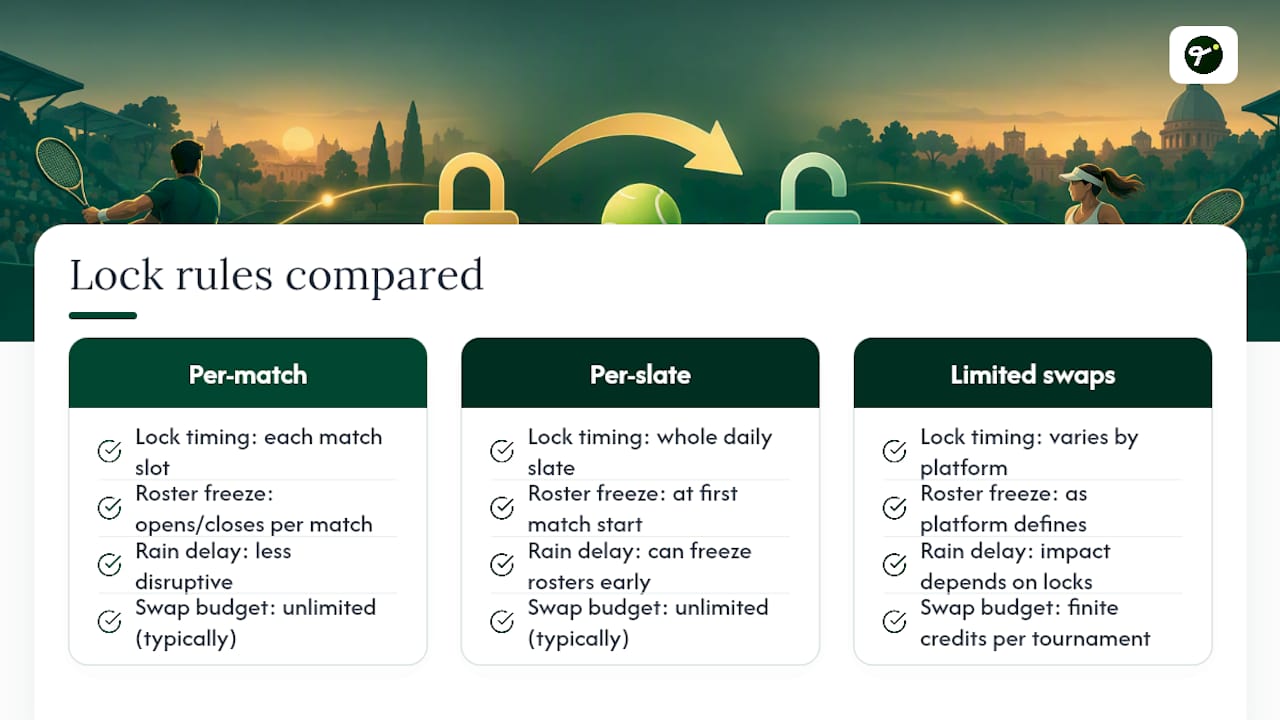
Lock structure is the single biggest variable separating one platform's late swap rules from another's, and it changes how much control you actually have once a tournament starts.
Season-long or Grand Slam-length formats, the structure Tweener's private leagues use for Majors, tend to lock per match rather than per day. That means a scratch on Wednesday doesn't cost you your Thursday roster decisions, since each match slot opens and closes independently as the draw plays out.
Single-day daily fantasy formats generally lock the entire slate at once, at the scheduled start of the day's first match. This is the format where a rain delay hurts you most, because your roster can freeze hours before your actual players take the court.
Some platforms build in a limited number of substitution credits per tournament rather than unlimited swaps, treating each swap as a resource to be rationed rather than a free action. Substitution penalty systems built around finite swap budgets push managers to save their swaps for confirmed emergencies rather than speculative upgrades, which changes the whole strategic calculus compared to a platform offering unlimited changes.
The practical takeaway: read your specific contest's lock structure before the tournament starts, not mid-match when you're trying to figure out why a button is grayed out. A per-match lock format rewards active monitoring throughout the event, while a per-slate lock format rewards getting your pre-match research right the first time.
What Do Real Tournaments Teach Us About Late Swap Timing?
Look back at any Grand Slam with a rash of first-week withdrawals and you'll find the same pattern: the managers who reacted fastest to scratch news gained a measurable edge over the field, while those running a locked slate structure often lost that roster slot for good.
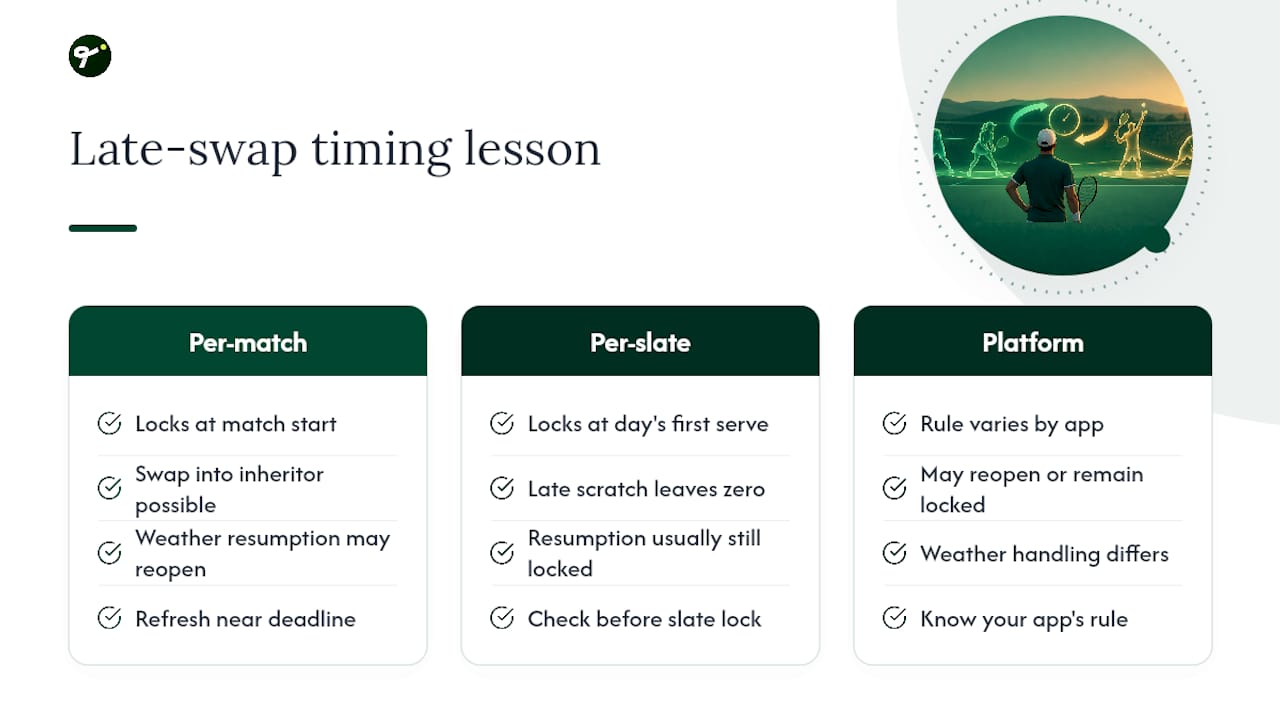
Take the kind of scenario that plays out almost every Major: a seeded player withdraws with an injury discovered during the warmup, minutes before the match. In a per-match lock format, managers who caught the news could swap into whoever inherited the walkover, banking points from an easy second-round win that wasn't on anyone's radar during the original draft. In a per-slate lock format on the same day, managers were stuck with a zero regardless of how fast they checked their phones, because the entire day's roster had already frozen at the scheduled first serve of the earliest match.
Weather delays tell a similar story on the men's side, where best-of-five matches at majors can stretch a single contest across two calendar days. A match suspended overnight due to darkness or rain, then resumed the next afternoon, creates a strange in-between state where some platforms treat the resumption as still covered by the original lock, while others reopen the slot entirely. Managers who understood their specific platform's rule going in avoided a nasty surprise; managers who assumed all apps behave the same way did not.
The broader lesson holds across format: checking lineup news and lock status close to the deadline is consistently the difference between capturing free value and watching it go to a rival who happened to refresh their app at the right moment.
When Late Swaps Actually Win You Money
Use swaps like a scalpel, not a security blanket. The managers who profit long-term save their swaps for confirmed news, injuries, walkovers, weather, and skip the temptation to tinker every time a first set gets tight.
I've watched entire private leagues get decided by one manager who caught a withdrawal alert twenty minutes before a rain-delayed second-week match while everyone else was still watching the delayed broadcast. That single swap, backed by nothing more than a fast notification and a clear head, outscored three other rosters combined for the round.
If you take one thing from this, take this: set your alerts, trust confirmed news over speculation, and swap fast when it's real.
— Nathan
Try specialized fantasy tennis apps' real-time roster tools before your next slate
Certain fantasy tennis apps are built for the exact moment this article is about: a scratch or delay hits, and you need a fast, informed way to react without losing your edge. Where a lot of general fantasy apps bolt lock rules onto a football-first framework, Tweener's Draft Mode and Pick'em Mode are built around tennis specifically, with per-match locking, real-time withdrawal alerts, and private leagues where you can go head-to-head with up to nine friends across a Grand Slam.
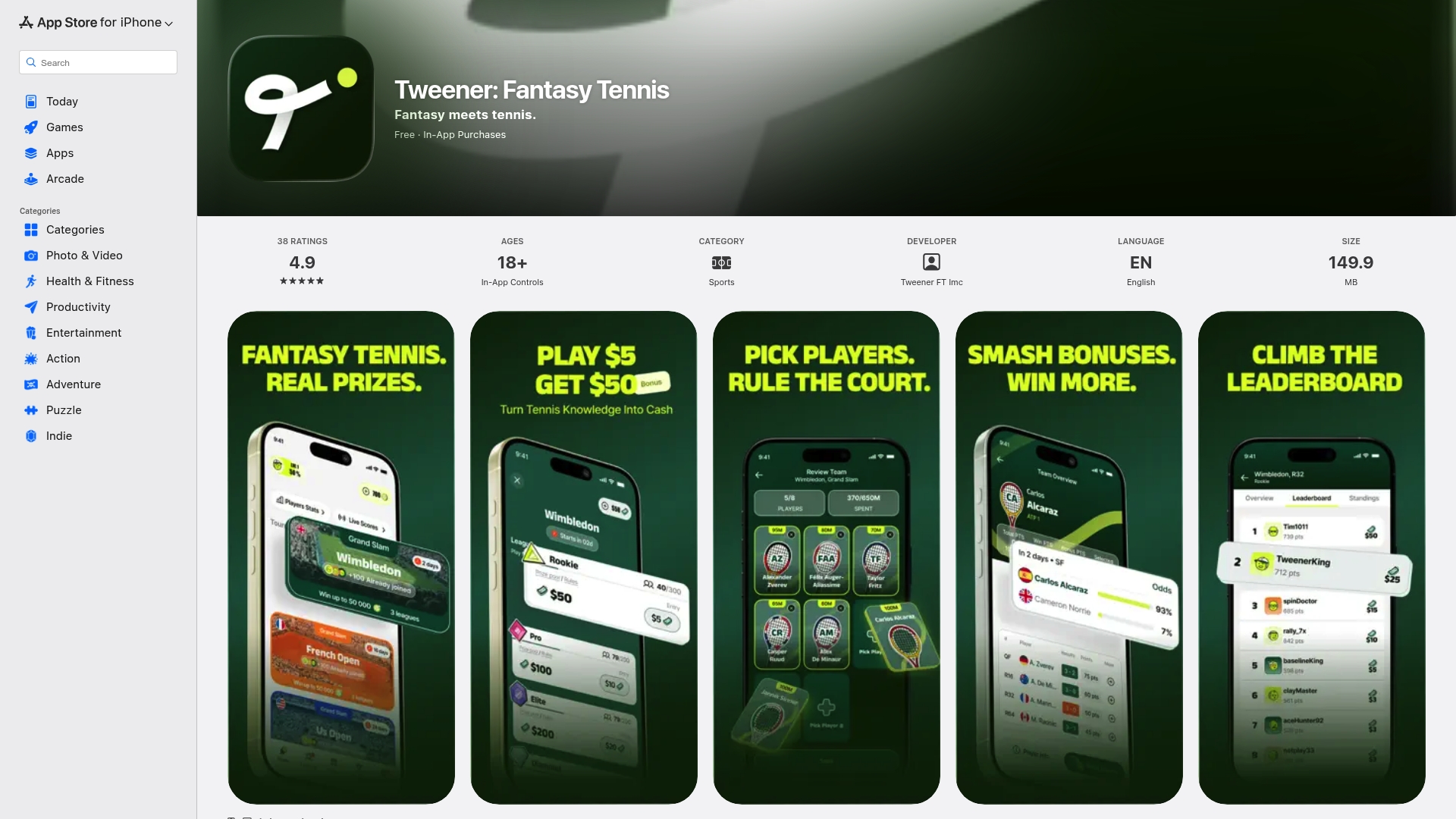
If you've never tested a live swap under pressure, start in a free contest using virtual coins so you can watch the notification and confirmation flow without cash on the line. Once you trust the workflow, consider entering paid contests where such options are available and legally permitted. Download the app and set your first roster before the next tournament's opening round.
Sources
- MatchLineup - real-time lineup and response workflow
- The OutOfTheCourt Fantasy Strategy Bible: How to Win the Back Half of 2026 – Out Of The Court
FAQ
Can Fantasy Scores Drop After a Match Starts?
Yes, in the sense that a player who underperforms lowers your total, but the scoring rules themselves don't change once a match locks. What can happen is a swap failing to register in time, leaving you stuck with the original player's live result instead of your intended replacement.
How Many Fantasy Points Does a Player Get for Winning a Set?
Point values for winning a set vary by platform and scoring format, so check your specific contest's scoring table rather than assuming a universal number. Most systems award points per set won on top of separate points for games, aces, and the match result itself.
What Are the General Rules of Fantasy Tennis?
You draft or select real ATP and WTA players into a roster, then earn points based on how those players perform in actual live matches. Formats vary between salary-cap drafts and pick'em style contests, with Tweener offering both Draft Mode and Pick'em Mode inside public leagues or private leagues with friends.
Is There a Legitimate Fantasy Tennis App?
Yes, Tweener is built specifically for tennis, offering dedicated ATP and WTA leagues rather than treating tennis as an afterthought inside a multi-sport platform. It includes both free contests using virtual coins and cash contests for real-money payouts where legally permitted.
Does Every Platform Handle Late Swaps the Same Way?
No, lock timing and swap eligibility differ significantly between per-match lock formats and per-slate daily formats. Always confirm your specific contest's rules on postponements, walkovers, and retirements before assuming a swap window is open.