

Watching tennis matches unfold can feel passive when you're simply observing from the sidelines. Fantasy tennis competitions transform this experience into an interactive strategic game that rewards your knowledge of players, surfaces, and match conditions. By building and managing your own fantasy team of ATP and WTA stars, you turn every serve, break point, and upset into a personal stake in the outcome. This article explores the key advantages fantasy tennis competitions offer, from deeper engagement and strategic depth to community building and enhanced analytical skills that make you a more informed fan.
Table of Contents
- Key Takeaways
- How fantasy tennis competitions enhance viewer engagement
- Unique mechanics and strategic depth of fantasy tennis competitions
- Benefits backed by research: engagement, community, and well-being
- Risks and recommended best practices in fantasy tennis competitions
- Explore Tweener fantasy tennis for an enhanced experience
- FAQ
Key Takeaways
| Point | Details |
|---|---|
| Active viewing engagement | Fantasy tennis transforms passive watching into active participation as your roster points determine your standing in leagues. |
| Surface form strategy | Players are evaluated by form and surface, making strategic pre match analysis crucial to success. |
| Budget drafting mechanics | Drafting uses a budget to balance star power with depth, introducing ongoing risk and careful roster decisions. |
| Community and analytics | Private and global leagues foster social interaction and deeper analytics through discussion, leaderboards, and shared strategies. |
How fantasy tennis competitions enhance viewer engagement
Fantasy tennis enhances viewing experience by transforming passive watching into active participation. When you select players for your fantasy roster, every point they win or lose directly impacts your standing in the league. This creates an emotional investment that goes far beyond casual fandom.
The strategic element begins before matches even start. You analyze player form, recent results, and historical performance on specific surfaces. Clay court specialists like Carlos Alcaraz might dominate at Roland Garros but struggle on grass at Wimbledon. Hard court consistency matters for tournaments in Melbourne and New York. These surface-specific considerations add layers of complexity that reward dedicated research.
Real-time score tracking keeps you glued to matches you might otherwise skip. When your selected player faces a tough opponent, you monitor every game, watching for momentum shifts that could swing your fantasy points. Platforms supporting live stats let you refine tactics between tournaments, adjusting your roster based on injury reports, scheduling conflicts, or emerging dark horses.
Pro Tip: Focus on fantasy team management in tennis strategies that balance star power with value picks who consistently reach later rounds without commanding premium roster costs.
Private leagues with friends create friendly rivalries that enhance social viewing experiences. You trash talk about bold captain selections, debate whether to trust a struggling former champion, and celebrate when your underdog pick pulls off a stunning upset. Global competitions expand this community to thousands of participants, offering leaderboards and achievements that validate your tennis expertise.
"Fantasy sports turn spectators into stakeholders, creating deeper connections to athletes and outcomes that transform how we consume live sports."
This dedication to stats and analytics naturally promotes deeper tennis knowledge. You learn about player matchups, coaching changes, and tactical adjustments that casual fans miss. Understanding why certain players excel in tiebreaks or struggle with aggressive baseliners becomes second nature. The fantasy tennis tour benefits extend beyond entertainment to genuine educational value about professional tennis dynamics.
Unique mechanics and strategic depth of fantasy tennis competitions
Fantasy tennis mechanics involve drafting players with budget constraints that mirror real-world economics. Top-ranked players like Novak Djokovic or Iga Swiatek command premium prices, forcing you to allocate resources carefully. Spending your entire budget on two superstars leaves little room for depth, risking disaster if injuries strike or early upsets occur.
Scoring categories reward various match accomplishments:
- Match wins deliver the most points, incentivizing picks who advance deep into tournaments
- Aces and service holds reward powerful servers
- Break points converted highlight tactical excellence
- Straight-set victories often earn bonus points for dominant performances
Penalties apply when players withdraw due to injury or lose in early rounds. A first-round exit from your highest-priced star can devastate your weekly score, making health monitoring and form analysis critical pre-tournament tasks. This risk management component separates successful fantasy players from casual participants.
Tennis uniqueness shines through surface and upset predictions. Identifying when a clay court grinder might shock a hard court specialist requires understanding playing styles, physical conditioning, and mental toughness under pressure. These nuanced predictions add complexity absent from team-based fantasy sports.
Strategic roster building follows these principles:
- Balance consistent performers with high-upside wildcards
- Diversify across draws to avoid concentration risk
- Monitor scheduling to ensure your players compete during scoring periods
- Reserve budget flexibility for mid-tournament adjustments
- Research head-to-head records for potential matchup advantages
| Player Type | Cost | Risk Level | Potential Reward |
|---|---|---|---|
| Top 5 ranked | High | Low | Consistent points |
| Emerging talent | Medium | Medium | Breakthrough upside |
| Veteran specialist | Low | High | Surface-specific value |
| Qualifier dark horse | Very low | Very high | Tournament winner potential |
Pro Tip: Master fantasy tennis captain picks by selecting players who earn double points, timing this designation for favorable draws and peak form periods.
Balancing reliability versus risky picks defines successful strategy. Loading your roster with safe choices guarantees mediocre results, while chasing too many longshots invites volatility. The optimal approach combines a solid foundation of likely winners with one or two calculated gambles on undervalued players facing favorable matchups.

Benefits backed by research: engagement, community, and well-being
Empirical data demonstrates fantasy sports boost engagement significantly, with 54% of Gen Z participants reporting stronger emotional connections to sports through fantasy play, compared to just 33% of older demographics. This generational divide highlights how interactive gaming elements resonate with younger fans seeking participatory experiences beyond passive consumption.
Gameification elements can promote positive behavioral habits. Research trials show fantasy sports platforms incorporating mindfulness features increase meditation session completion rates and feelings of competence among participants. While not every platform emphasizes wellness, the potential exists for fantasy tennis to encourage healthy routines alongside competitive play.
Approximately 15 to 25 percent of tennis fans actively play fantasy formats while watching matches, creating a substantial engaged subculture within the broader fanbase. This participation rate reflects growing acceptance of fantasy sports as mainstream entertainment rather than niche hobby.
"Fantasy participation transforms casual viewers into invested analysts, driving deeper engagement with player statistics, tournament formats, and strategic tennis concepts that enrich overall fandom."
Community features enhance social aspects and fan bonding in meaningful ways:
- League chat functions enable real-time discussion during matches
- Shared draft experiences create collaborative learning opportunities
- Season-long competitions build sustained relationships among participants
- Achievement systems recognize expertise and dedication publicly
Deeper analytics use enriches tennis fandom by encouraging participants to explore tennis analytics for improvement in their own games. Understanding professional player tendencies, shot selection patterns, and tactical adjustments translates to better recreational play. Fantasy participants often become more knowledgeable fans who appreciate subtle strategic elements casual viewers overlook.
The social validation aspect cannot be understated. Winning your private league against knowledgeable friends provides genuine satisfaction and bragging rights. Public leaderboards offer recognition for exceptional performance, creating aspirational goals that sustain engagement across multiple tournaments and seasons.
Risks and recommended best practices in fantasy tennis competitions
Daily fantasy formats carry higher risks including addiction potential and financial losses, particularly when cash prizes create gambling-like incentives. The rapid turnover of daily and weekly contests can encourage compulsive play patterns that exceed healthy entertainment boundaries.
Stress and mood impacts affect some players adversely, especially when significant money is at stake or competitive pride drives excessive time investment. Checking scores obsessively, losing sleep over lineup decisions, or experiencing genuine distress from poor performance indicates unhealthy engagement levels requiring self-correction.
Experts universally advise free or low-stakes leagues for sustainable enjoyment. These formats preserve strategic depth and competitive excitement while eliminating financial pressure that transforms entertainment into anxiety. Virtual coin systems like Tweener's free mode deliver authentic fantasy experiences without monetary risk.
Risk mitigation strategies include:
- Setting strict time limits for research and score checking
- Establishing loss limits before entering cash competitions
- Prioritizing social leagues with friends over anonymous high-stakes contests
- Taking breaks between tournaments to prevent burnout
- Recognizing warning signs of compulsive behavior early
Pro Tip: If you explore cash mode fantasy tennis, treat entry fees as entertainment expenses you can afford to lose completely, never as investment opportunities or income sources.
Strategy-focused play proves far healthier than gambling mindset approaches. Viewing fantasy tennis as a skill-based game rewarding knowledge and analysis creates positive engagement. Treating it as a luck-based betting opportunity invites problematic behaviors and unrealistic expectations about winning frequencies.
Self-monitoring remains essential for sustaining long-term enjoyment. Regularly assess whether fantasy participation enhances or detracts from your tennis viewing pleasure. If stress outweighs fun, scale back involvement or switch to lower-stakes formats. The goal is enriching your fandom, not creating new sources of anxiety or financial strain.
Positives outweigh negatives for most participants who approach fantasy tennis mindfully. The key lies in recognizing your personal risk factors, setting appropriate boundaries, and prioritizing entertainment value over competitive or financial outcomes. When played responsibly, fantasy tennis delivers genuine benefits without significant downsides.
Explore Tweener fantasy tennis for an enhanced experience
Ready to transform how you watch professional tennis? Tweener offers a user-friendly fantasy platform designed specifically for ATP and WTA fans seeking interactive, strategic gameplay. Whether you prefer risk-free competition using virtual coins or cash mode contests where legally permitted, Tweener accommodates your playing style.
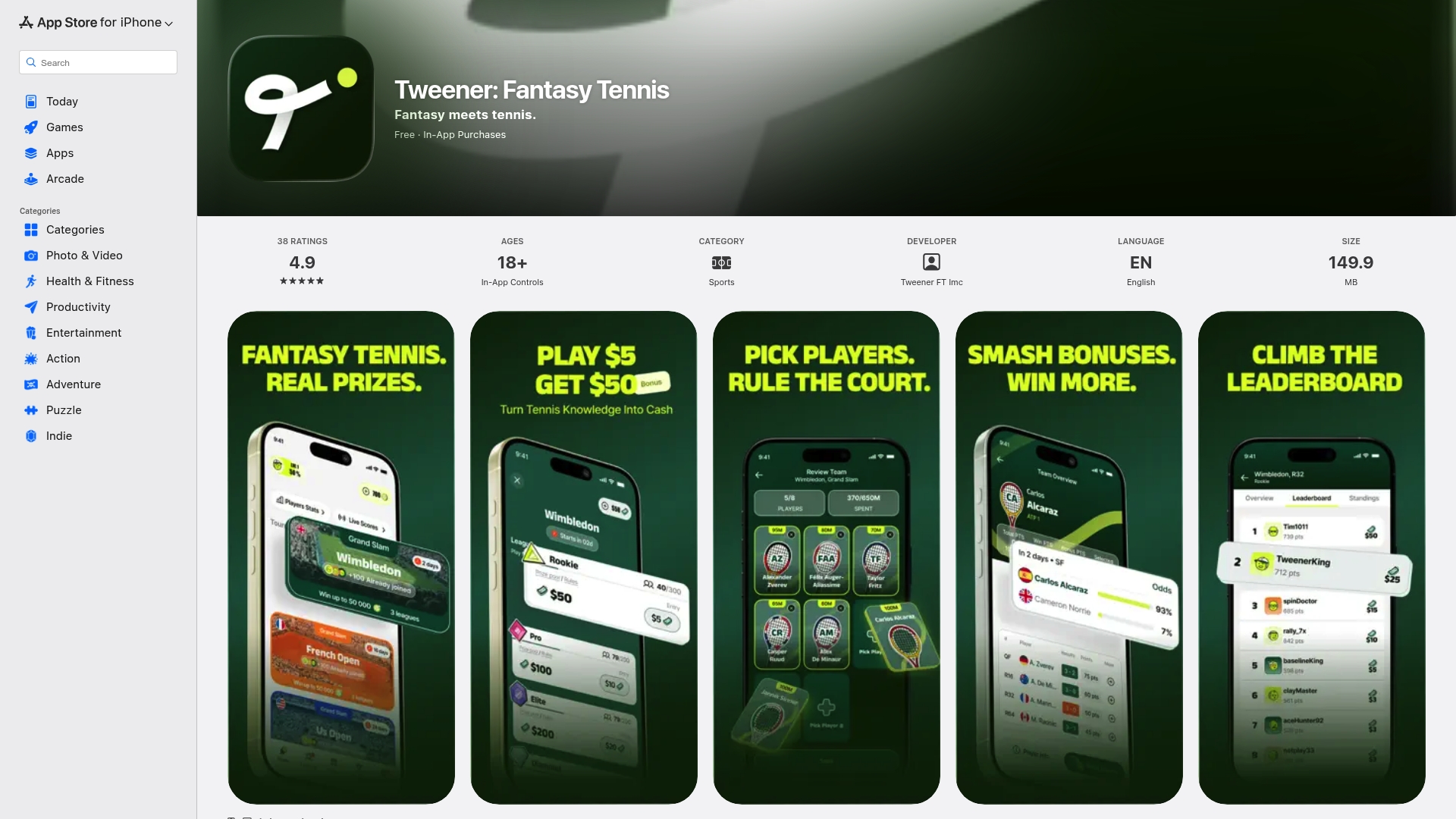
Comprehensive Tweener game rules help new players understand scoring systems, roster building, and league formats quickly. The intuitive interface makes draft preparation straightforward, while live scoring keeps you connected to every match. Create private leagues with friends or join public competitions to test your tennis knowledge against thousands of participants worldwide.
Download Tweener app on iOS or Android to start building your fantasy roster before the next major tournament. The platform's mobile-first design ensures you can manage teams, track scores, and adjust strategies wherever you watch matches. Visit the Tweener home page to explore features, league options, and reward opportunities that make fantasy tennis more engaging than ever.
FAQ
What makes fantasy tennis different from other fantasy sports?
Fantasy tennis centers on individual player performance rather than team dynamics, creating unique strategic considerations. Surface type dramatically impacts scoring potential, as clay, grass, and hard court specialists excel in different tournaments. Predicting upsets becomes critical since single-elimination formats mean one bad match eliminates even top-ranked players. Understanding fantasy team management in tennis requires analyzing player form, injury status, and surface preferences more deeply than team-based sports.
How can I improve my chances of winning in fantasy tennis competitions?
Focus on players' historical performance on upcoming tournament surfaces, as clay court specialists often struggle on grass and vice versa. Monitor current form through recent match results, paying attention to injury reports and scheduling fatigue from consecutive tournaments. Select fantasy tennis captain picks strategically, designating your double-points player when they face favorable draws or peak form periods. Diversify your roster across different sections of the tournament bracket to minimize concentration risk.
Are there risks associated with playing fantasy tennis?
Daily fantasy formats carry higher addiction and financial loss risks, particularly when cash prizes create gambling-like incentives that encourage excessive play. Stress and mood impacts can occur when competitive pressure or monetary stakes transform entertainment into anxiety. Playing free or low-stakes leagues significantly reduces these risks while preserving strategic depth and engagement benefits. If exploring paid competitions, review cash mode fantasy tennis best practices and treat entry fees as entertainment expenses, never as income opportunities.
How much time does fantasy tennis require?
Time commitment varies based on your competitive goals and league format. Casual participants can build effective rosters in 15 to 30 minutes before tournaments by reviewing rankings and recent results. Serious competitors invest hours analyzing player statistics, surface records, and head-to-head matchups to identify value picks. Live score tracking during matches is optional but enhances engagement. Most platforms allow lineup adjustments between tournament rounds, giving flexibility to balance fantasy involvement with other commitments.
Can fantasy tennis help me understand professional tennis better?
Absolutely. Regular engagement with player statistics, surface preferences, and tactical matchups deepens your analytical understanding of professional tennis. You learn to recognize patterns like why certain players excel in tiebreaks or struggle against aggressive baseliners. This knowledge enriches your viewing experience, helping you appreciate strategic adjustments and coaching decisions that casual fans miss. Fantasy participation naturally encourages following lower-ranked players and emerging talents you might otherwise overlook, broadening your overall tennis knowledge significantly.