

Most fantasy sports players underestimate how much in-app rewards shape their engagement and loyalty. Operators who implement well-designed gamification report 15-40% LTV improvements and 22% higher retention rates. These digital incentives transform casual fans into dedicated competitors by creating feedback loops that reward participation, skill development, and consistent play. This guide explains what in-app rewards are, how they work in fantasy tennis platforms, and practical strategies to maximize your competitive edge through gamification.
Table of Contents
- What are in-app rewards and how do they work?
- Types of in-app rewards used in fantasy sports and tennis apps
- How in-app rewards increase engagement and retention in real-time fantasy competitions
- Tips for maximizing your fantasy tennis experience with in-app rewards
- Discover how Tweener enhances your fantasy tennis journey
- Frequently asked questions
Key takeaways
| Point | Details |
|---|---|
| Retention boost | In-app rewards increase user retention by up to 25% through consistent engagement incentives. |
| Common reward types | Points, badges, leaderboards, tiers, challenges, and streaks drive participation and loyalty. |
| LTV impact | Effective gamification enhances lifetime value by up to 40% for fantasy sports platforms. |
| Competitive edge | Reward systems create immersive, real-time experiences that deepen fan engagement with tennis. |
| Strategic application | Fantasy tennis apps use these mechanics to gamify live tournament play and player selection. |
What are in-app rewards and how do they work?
In-app rewards are digital incentives embedded within mobile applications to drive user engagement, loyalty, and retention. These rewards create psychological triggers that motivate players to return frequently, complete challenges, and invest time in the platform. In fantasy tennis, rewards transform passive viewing into active participation by tying your success to real ATP and WTA match outcomes.
The core mechanics work through feedback loops. You perform an action like selecting players for your fantasy team, compete in a league, or predict match results. The app recognizes your participation and awards points, badges, or progression toward higher tiers. This recognition triggers dopamine release, reinforcing the behavior and encouraging you to repeat it. Over time, these small wins compound into sustained engagement.
Common reward types include:
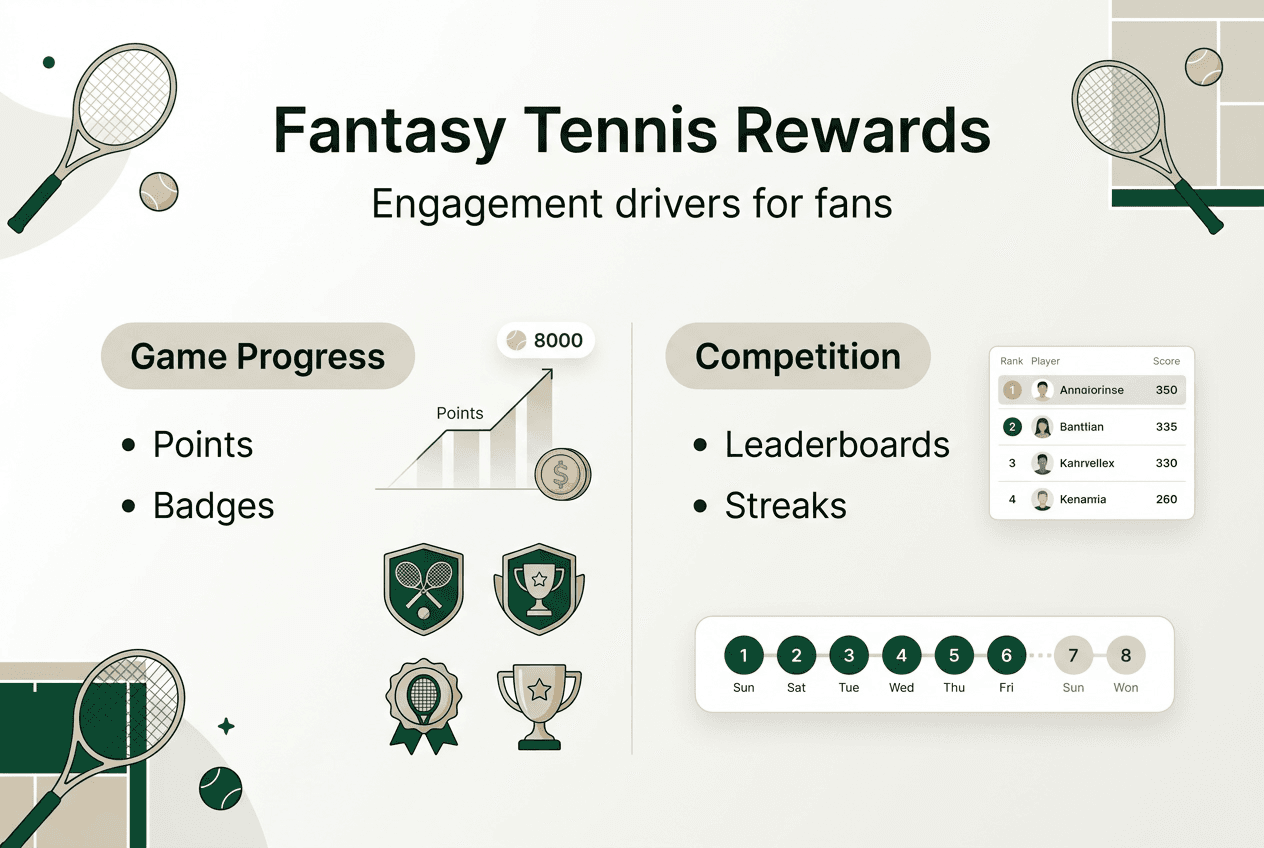
- Points that accumulate based on your fantasy team's performance in live matches
- Badges recognizing achievements like winning streaks or tournament participation
- Leaderboards displaying real-time rankings against other players
- Tier systems unlocking exclusive features as you advance
- Challenges offering bonus rewards for completing specific tasks
- Streak bonuses rewarding consecutive days of activity
Gamified platforms achieve retention rates around 75% versus 50% for non-gamified platforms. This 25-point gap demonstrates why fantasy sports apps invest heavily in reward systems. The difference stems from creating tangible progress markers that make abstract competition feel concrete and achievable.
Pro Tip: Track which reward types motivate you most. Some players chase leaderboard positions while others prefer collecting badges. Understanding your preferences helps you engage with features that maximize your enjoyment and success.
Fantasy tennis platforms integrate these mechanics seamlessly with live tournament action. When your selected player wins a match, you earn points immediately. This real-time feedback connects your strategic decisions to visible outcomes, making every serve and rally matter to your fantasy performance. The combination of tennis analytics to improve game strategy and instant reward validation creates a compelling experience that keeps fans engaged throughout entire tournaments.
Types of in-app rewards used in fantasy sports and tennis apps
Fantasy sports platforms deploy multiple reward categories to address different player motivations and engagement patterns. Understanding each type helps you identify which features deliver the most value for your playing style and competitive goals.
| Reward Type | Key Features | User Appeal | Engagement Impact |
|---|---|---|---|
| Points | Earned through player performance, redeemable for prizes | Tangible progress tracking | High daily activity |
| Badges | Achievement markers for milestones and special accomplishments | Collection and status display | Medium long-term retention |
| Leaderboards | Real-time competitive rankings | Social comparison and rivalry | Very high during tournaments |
| Tiers | Progressive levels unlocking exclusive benefits | Sense of advancement | High sustained engagement |
| Challenges | Time-limited tasks offering bonus rewards | Variety and urgency | Medium spike activity |
| Streaks | Consecutive participation bonuses | Habit formation | Very high daily return rates |
Points serve as the foundation of most reward systems. In fantasy tennis, you accumulate points when your selected ATP or WTA players win matches, advance in tournaments, or achieve specific performance metrics. These points often convert to virtual currency redeemable for gift cards, premium features, or entry into exclusive competitions. The direct connection between your strategic choices and measurable outcomes makes points highly motivating.

Badges recognize specific achievements beyond simple point accumulation. You might earn a badge for correctly predicting an upset victory, maintaining a winning streak across multiple gameweeks, or participating in every tournament during a season. These digital trophies appeal to completionist players who enjoy collecting and displaying their accomplishments.
Leaderboards create social dynamics by ranking players against each other in real-time. During live tournaments, you can watch your position rise or fall based on ongoing match results. This immediate feedback generates excitement and encourages frequent app checking to monitor your standing. Public leagues amplify this effect by adding friendly competition with identifiable opponents.
Tier systems provide long-term progression frameworks. As you accumulate experience or achievements, you advance through bronze, silver, gold, and platinum levels. Each tier unlocks new features like enhanced analytics, exclusive leagues, or increased reward multipliers. This structure gives you clear goals beyond individual match outcomes.
Challenges inject variety into standard gameplay. A platform might offer bonus points for selecting underdogs, building teams within specific budget constraints, or predicting exact match scores. These limited-time objectives prevent monotony and encourage experimentation with different strategies.
Streak rewards leverage loss aversion psychology. Once you establish a multi-day login or participation streak, breaking it feels costly. This mechanism drives daily engagement even during periods when major tournaments aren't running. The fantasy tennis scoring guide explains how consistent participation compounds your competitive advantages.
Pro Tip: Balance chasing dynamic rewards like challenges and streaks with steady accumulation of static rewards like points and tier progression. Overcommitting to short-term bonuses can distract from building sustainable competitive advantages.
Operators who implement well-designed gamification report 15-40% LTV improvements by combining multiple reward types rather than relying on a single mechanism. The Tweener fantasy tennis platform demonstrates this approach by integrating points, leaderboards, and redeemable prizes into a cohesive system that rewards both casual participation and competitive excellence.
How in-app rewards increase engagement and retention in real-time fantasy competitions
In-app rewards create powerful engagement cycles that transform one-time users into loyal, active participants. Understanding these psychological mechanisms helps you recognize why certain features feel compelling and how to leverage them for better results.
The engagement cycle operates through five connected stages:
- Initial participation triggered by accessible entry points like free leagues or beginner challenges
- Immediate feedback through points, rankings, or achievement notifications after each action
- Visible progress displayed via leaderboards, tier advancement, or badge collections
- Social recognition when friends or league members see your accomplishments
- Renewed motivation to maintain streaks, improve rankings, or unlock the next tier
This cycle repeats continuously during live tournaments. When you check the app to see how your fantasy team performed after a match concludes, you receive instant validation or motivation to adjust your strategy. The real-time nature of tennis competitions aligns perfectly with mobile notification systems that alert you to significant developments.
Gamified platforms achieve retention rates around 75% versus 50% for non-gamified platforms, demonstrating a 50% improvement in user retention through well-designed reward systems.
Leaderboards amplify engagement by adding competitive context to individual performance. Seeing your name climb from 50th to 30th place after a successful gameweek creates tangible evidence of improvement. The proximity effect matters too. When you're ranked 11th and can see 10th place just a few points ahead, you're more likely to optimize your next team selection to close that gap.
Streak challenges leverage commitment and consistency bias. After logging in for seven consecutive days to maintain your streak, the psychological cost of breaking it on day eight feels significant. This mechanism explains why daily active user rates spike dramatically on platforms offering streak rewards. The key is making the daily action meaningful rather than just checking a box.
Fantasy tennis benefits particularly from real-time rewards because tennis tournaments provide natural engagement rhythms. Grand Slams offer two weeks of continuous action with multiple matches daily. ATP and WTA tour events create weekly cycles of team building, competition, and results. In-app rewards synchronize with these rhythms to maintain engagement across different tournament formats and intensities.
The Tweener platform features demonstrate how integrating multiple reward mechanisms creates layered engagement. You might join a free league to compete for virtual coins, participate in a daily challenge for bonus points, and track your progress toward the next tier simultaneously. Each mechanism addresses different motivational triggers, ensuring the platform remains engaging regardless of your current mood or available time.
Social recognition extends engagement beyond individual achievement. When you earn a rare badge or reach a new tier, sharing that accomplishment with friends who also play creates social validation. Private leagues add another dimension by making your performance directly comparable to people you know, intensifying the competitive drive.
The impact of gamification on retention extends beyond simple participation metrics. Engaged users spend more time exploring advanced features, invite friends to join leagues, and develop deeper knowledge of tennis strategy. This organic growth in expertise makes the platform increasingly valuable over time, creating a virtuous cycle of engagement and skill development.
Tips for maximizing your fantasy tennis experience with in-app rewards
Strategic engagement with reward systems delivers better results than passive participation. These practical tips help you extract maximum value from gamification features while maintaining sustainable, enjoyable play.
Start by understanding the reward structure completely. Review which actions earn points, how tier progression works, and what prizes are available for redemption. Many players miss valuable opportunities simply because they don't know certain features exist. Spend 10 minutes exploring the rewards section when you first join a platform to identify high-value activities aligned with your interests.
Prioritize consistency over intensity. Logging in daily to maintain streaks and complete simple challenges generates more cumulative value than sporadic bursts of activity. Set a specific time each day to check results, adjust your team, or complete a quick challenge. This habit formation approach leverages the same psychological mechanisms that make streaks effective.
Track your progress systematically. Create a simple spreadsheet or note documenting your tier level, total points, and progress toward specific badges. This external tracking helps you identify patterns in what strategies work best and maintains motivation during periods when visible progress feels slow. Reviewing your advancement over weeks or months provides perspective that daily fluctuations obscure.
Balance risk and reward in your strategic decisions. Chasing high-variance challenges or selecting only underdog players might offer bigger potential payouts, but consistent moderate success typically accumulates more total value. The fantasy tennis game rules explain scoring systems that reward both bold predictions and steady performance.
Engage with community features actively. Join leagues with friends or other engaged players who discuss strategy and share insights. Social interaction amplifies the reward system's impact by adding accountability and friendly competition. You're more likely to maintain consistent participation when others notice your presence or absence.
Experiment with different reward types to discover what motivates you personally. Some players obsess over leaderboard positions while others prefer collecting badges or maximizing point accumulation. There's no single correct approach. Identify which features generate genuine excitement for you and structure your engagement around those elements.
Pro Tip: Set specific, achievable goals for each tournament or season rather than vague aspirations to "do better." Targeting a specific tier level, badge collection, or leaderboard position creates concrete milestones that guide your strategic decisions and maintain focus.
Leverage using tennis analytics to inform your player selections and predictions. The intersection of data-driven strategy and reward optimization creates competitive advantages that compound over time. Players who understand surface-specific performance trends, head-to-head records, and current form make better selections that earn more points.
Pace your reward redemption strategically. Some platforms offer better conversion rates or exclusive prizes during special events or promotions. Unless you need immediate gratification, accumulating points until you can access premium rewards often delivers better value than frequent small redemptions.
Avoid burnout by recognizing when reward chasing becomes counterproductive. If maintaining streaks or climbing leaderboards stops being enjoyable and starts feeling like obligation, take a step back. The increase player loyalty data shows that sustainable engagement beats forced participation. Platforms benefit most from users who genuinely enjoy the experience, not those grinding through requirements mechanically.
Discover how Tweener enhances your fantasy tennis journey
Tweener delivers a comprehensive fantasy tennis experience built around dynamic in-app rewards that keep you engaged throughout the ATP and WTA seasons. The platform combines points-based scoring, real-time leaderboards, and exclusive badges to create competitive depth for both casual fans and serious strategists.
Every match your selected players compete in generates immediate point updates, letting you track your fantasy team's performance as tournaments unfold. The Tweener fantasy tennis platform integrates free virtual coin leagues and cash competitions, giving you flexibility to play at your preferred stakes and risk level.
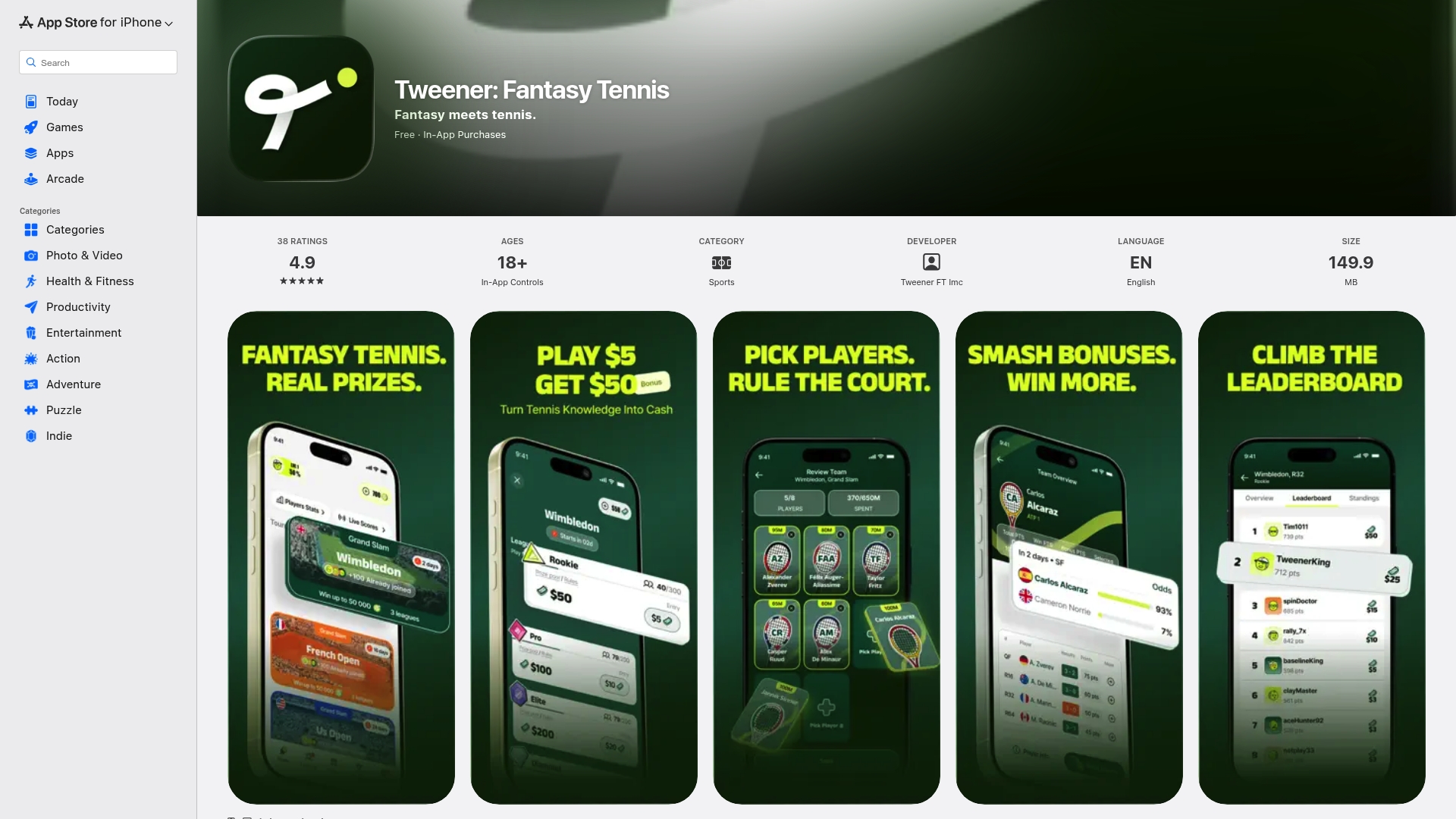
Ready to experience gamified fantasy tennis? Download the Tweener app to access exclusive rewards, join competitive leagues, and test your tennis knowledge against fans worldwide. Review the Tweener game rules to understand scoring mechanics and maximize your reward potential from day one.
Frequently asked questions
What is the difference between in-app rewards and traditional prizes?
In-app rewards are digital incentives earned within an application, such as points, badges, or tier progression that enhance your ongoing platform experience. Traditional prizes are typically physical items or cash payouts awarded to top performers in specific competitions. In-app rewards focus on continuous engagement and incremental progress, while traditional prizes reward exceptional achievement at defined moments. Many modern fantasy platforms combine both approaches, offering in-app progression systems alongside tournament prize pools to motivate different player types and sustain engagement across varying skill levels.
How do leaderboards enhance the in-app rewards experience?
Leaderboards create immediate competitive context by displaying real-time rankings of all participants in a league or competition. This visibility transforms abstract point accumulation into tangible social comparison, letting you see exactly where you stand relative to other players. The dynamic nature of leaderboards during live tournaments generates excitement as positions shift with each match result. Proximity effects increase motivation when you're close to overtaking the player ranked just above you, encouraging strategic optimization and frequent engagement to capitalize on opportunities to improve your standing.
Can casual tennis fans benefit from in-app rewards in fantasy games?
Absolutely. Reward systems are specifically designed to engage players across all skill levels by offering multiple paths to achievement and recognition. Casual fans can earn badges for participation, maintain login streaks, or complete beginner-friendly challenges without requiring deep tennis knowledge. The tiered structure ensures early progression feels rapid and rewarding, building confidence and familiarity with the platform. As you engage more, you naturally develop greater understanding of player performance patterns and strategic considerations, making the learning curve feel organic rather than intimidating.
What types of rewards offer the highest retention in fantasy sports apps?
Combinations of points, badges, and tiered progression systems demonstrate the strongest retention effects according to industry data. Operators who implement well-designed gamification report 15-40% LTV improvements and 22% higher retention rates when deploying multiple complementary reward mechanisms. Streak bonuses particularly excel at driving daily active usage by leveraging loss aversion psychology. The most effective platforms layer these elements, ensuring players always have multiple concurrent goals across different time horizons rather than relying on any single reward type to sustain long-term engagement.