
The 2026 season brings five major rule areas into force: a new classification system for Electronic Line Calling, an updated Video Review protocol, a WBGT-based heat rule for player safety, standardized off-court coaching, and clarified scoring and equipment regulations. Each one changes how matches play out on court, and each one creates signals that matter for anyone tracking player performance closely, including fantasy tennis players.
TL;DR:
- At 30.1°C WBGT, players can request a cooling break lasting 10 minutes; play stops above 32.2°C, and medical staff can trigger the protocol.
- Failed Video Reviews use a limited per set allowance; live electronic calls are usually final, except for eligible judgment calls or system failures.
- ELC systems rated Gold target call responses near one tenth of a second, while lower ratings signal different reliability expectations across tournament venues.
- Coaching is generally allowed between points and at changeovers, but each tournament sets its own permitted methods and timing, with violations enforced by officials.
- Fantasy players should compare tournament ELC tiers and account for players’ review habits and heat stoppages, which can alter match length, rhythm, and momentum.
Table of Contents
- The biggest 2026 rule changes at a glance
- What ELC classification and Video Review mean in practice
- The new heat rule: how cooling breaks and suspensions work
- Off-court coaching: what's allowed and who decides
- Equipment, clothing, and logo rules
- Scoring and procedure clarifications
- How these changes play out on court and in your picks
- Applying the 2026 rules to fantasy strategy
- What the 2026 changes say about tennis's direction
- Put rule-aware insights to work in your fantasy picks
- FAQ
- Sources
The biggest 2026 rule changes at a glance
The 2026 Rules of Tennis formalize several amendments that tournaments and broadcasters will reference all season. Here is the headline list:
- Electronic Line Calling systems are now classified as Gold, Silver, or Bronze based on reliability and monitoring standards, per ITF evaluation procedures.
- Video Review protocol clarifies when a player can request a review and how outcomes are recorded, under ATP procedural guidance.
- A new WBGT-based heat rule sets specific thresholds for cooling breaks and match suspensions, announced by the ATP.
- Off-court coaching now has a standardized permission framework, with tournament-level discretion on specifics.
- Tie-break, change-of-ends, and continuous-play timing get clearer written treatment.
- Clothing and equipment rules tighten logo placement and surface specifications.
What ELC classification and Video Review mean in practice
Not every line-calling system performs the same way, so the ITF now sorts Electronic Line Calling into three tiers: Gold, Silver, and Bronze. The classification reflects system requirements and ongoing monitoring, according to ITF procedures, so a Gold-rated system at a major event carries tighter reliability expectations than a Bronze-rated setup at a smaller tournament.
Gold-tier ELC systems target real-time call response in the vicinity of one tenth of a second, per ITF specifications, with replay windows and sensor zone requirements built into the evaluation.
Video Review works alongside this classification rather than replacing it:
- A player may request Video Review after a point-ending shot, under ATP review procedures.
- The Chair Umpire and a Video Review Official issue one of three outcomes: call confirmed, call overturned, or call stands.
- Unsuccessful reviews count against a limited allowance per set, so players ration them.
- Live ELC calls are final in most cases; Video Review is reserved for specific judgment calls and for total system malfunction.
Wimbledon's decision to expand Video Review across multiple show courts in 2026 signals that Grand Slam events are leaning further into this layered system rather than relying on a single technology.
The new heat rule: how cooling breaks and suspensions work
Extreme heat has forced retirements and visibly compromised play for years, and 2026 answers that with a measurable standard instead of a judgment call. Wet Bulb Globe Temperature (WBGT) combines air temperature, humidity, and radiant heat into one number, and the ATP now ties specific actions to specific readings.
- At 30.1°C WBGT, players may request a 10-minute cooling break, per the ATP announcement.
- Above 32.2°C WBGT, play is suspended entirely until conditions improve.
- During a cooling break, players may shower, change clothing, and receive coaching under medical supervision.
- Tournament medical staff, not just players, can trigger the protocol once the threshold is confirmed by a calibrated device.
Pro Tip: Check the day's forecast WBGT reading, not just the air temperature. A humid 29°C afternoon can trigger cooling protocols faster than a dry 34°C one.
Off-court coaching: what's allowed and who decides
Off-court coaching moved from experimental to standard practice under ITF amendments, though the fine print still sits with each sanctioning body. The framework is permissive, but the details vary by event.
- Coaching is typically allowed between points and during changeovers, not mid-point.
- Verbal instruction and hand signals are both common, depending on the tournament's specific rules.
- Chair umpires and designated off-court officials enforce timing and method, issuing code violations for coaching outside the permitted windows.
Our guide to coaching rules in tennis breaks down how this plays out tournament by tournament.
Equipment, clothing, and logo rules
Kit managers and players will notice tighter language around commercial branding and surface specifications this season.
- Manufacturer and sponsor logos face specific size and placement limits set by individual tour rulebooks.
- Racket strings and surfaces must meet non-reflective and approved-specification standards.
- Ball and equipment clarifications close loopholes that existed in prior wording rather than introducing new gear restrictions.
The practical takeaway: double-check tour-specific logo guidance before a tournament, since the exact square-inch limits live in each tour's own rulebook rather than the ITF's general text.
Scoring and procedure clarifications
Several procedural details that used to rely on umpire interpretation now have explicit written treatment in the 2026 Rules of Tennis.
- Change of ends happens after the first, third, and every subsequent odd game of a set, with tie-break-specific timing spelled out separately.
- A fault served before a positioning error is discovered still counts as a fault, closing a gap in prior wording.
- Continuous play standards hold at 25 seconds between points and 90 seconds at changeovers, with tie-breaks treated as an exception to end-change timing.
Readers who want the full mechanics can check our explainer on how tennis scoring works.
How these changes play out on court and in your picks
Put together, these rules change pacing and decision-making in ways that show up in results. A player who preserves a Video Review through a tight second set gains leverage in a tie-break, since a "call stands" outcome still counts against the review allowance under ATP procedure. A WBGT-triggered cooling break can shift momentum, letting a struggling player reset form and clothing before a decisive set.
Pro Tip: Watch for heat-break announcements mid-match. A player who takes a 10-minute cooling break often returns with a different serve rhythm, for better or worse.
Longer matches from added review time, medical breaks that pull a player off rhythm, and overturned points that erase a seemingly locked game all change expected performance in ways worth tracking before locking in a lineup.

Applying the 2026 rules to fantasy strategy
For fantasy tennis players, these rules aren't background noise, they're signal. We track a few specific things when building Draft Mode and Pick'em Mode lineups: how often a player burns Video Review challenges early, whether a tournament's ELC classification runs Gold or Bronze, and which players have a history of fading after heat-related stoppages.

A player who rarely requests review tends to play faster, more continuous tennis, which matters in longer formats. Off-court coaching windows also affect momentum swings between sets, something worth weighing alongside surface and head-to-head history. Our guide to tournament prediction strategy covers how to combine these signals with form data.
What the 2026 changes say about tennis's direction
The 2026 rulebook leans hard toward objective officiating and measurable health protections, trading some subjective umpire judgment for data thresholds and tiered technology. That's a net gain for fairness, but it isn't free: more reviews and heat protocols mean longer matches and higher costs for tournaments running Gold-tier ELC systems. Clearer rules also mean fewer controversies, which is good for the sport even when it slows the show down.
— Nathan
Put rule-aware insights to work in your fantasy picks
We built our fantasy platform around the idea that tennis deserves a real strategy game, not just a betting slip. Our play modes let you build teams from real players and score points based on what actually happens on court, including the kinds of review battles, heat breaks, and momentum shifts covered above.
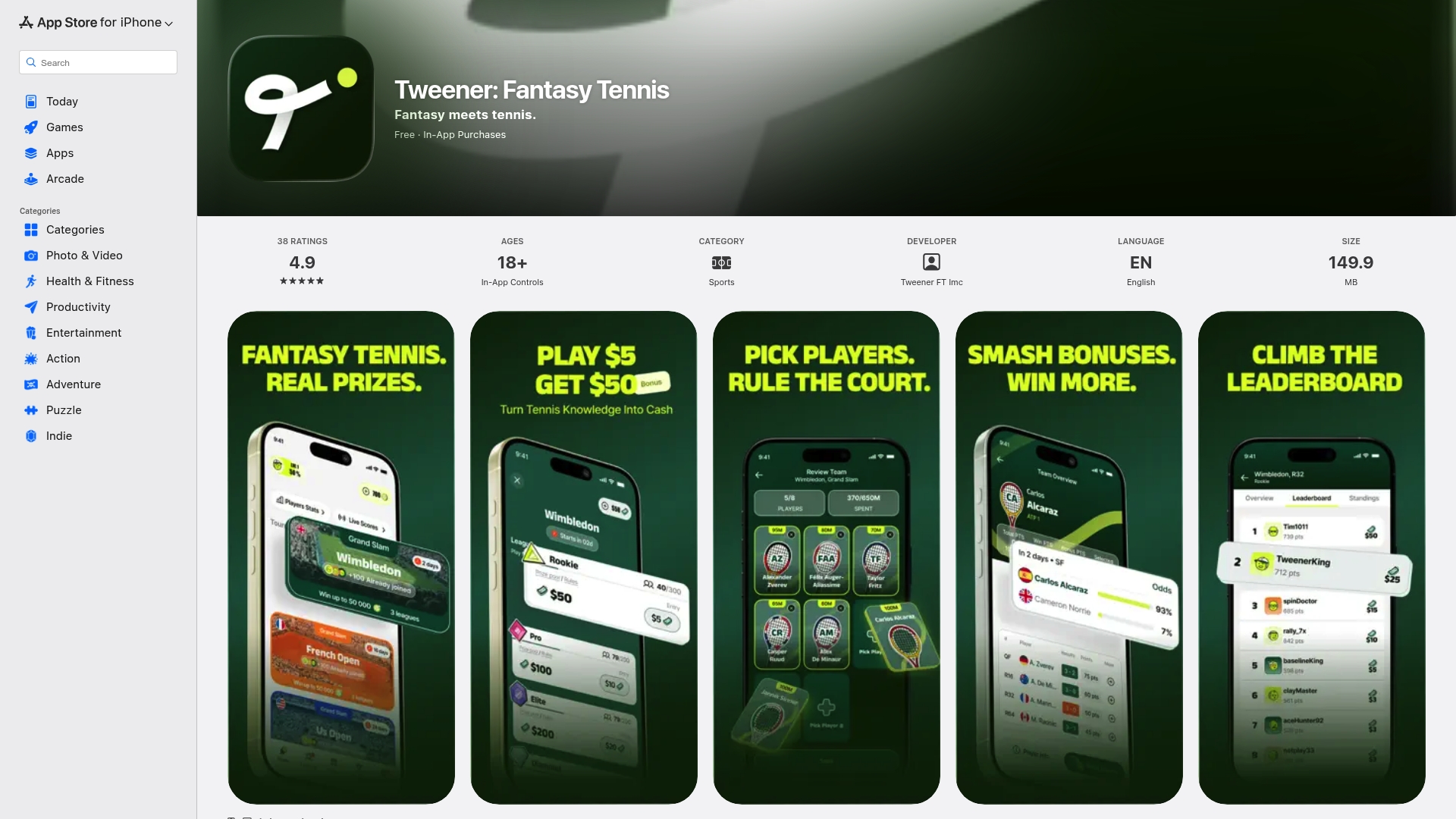
- Join a public league or set up a private one with friends for a Grand Slam.
- Play free or enter contests where available.
- Check current contests and modes to start building a lineup around this season's rule changes.
For more pick ideas shaped by 2026's rule shifts, our ATP and WTA fantasy picks guide is a solid next stop.
This article is general information, not a substitute for advice from a qualified doctor. Consult a qualified healthcare professional about your own circumstances before acting on anything here.
FAQ
Which tennis player was disqualified for showering during a match?
No official ITF, ATP, or WTA ruling ties a disqualification to showering during a match under the 2026 rules; cooling breaks that include showering are now a permitted part of the heat protocol when WBGT reaches 30.1°C. Any disqualification case would stem from unrelated code-of-conduct violations, not from using an allowed cooling break.
Do tennis players pay for hotels?
Tour-level accommodation arrangements vary by tournament and player ranking, and this detail isn't addressed in the 2026 rule changes. The rules covered here focus on officiating, health protocols, and equipment, not travel or lodging logistics.
What does 7-7 mean in tennis?
A tie-break is triggered under standard scoring rules when players reach a tied score near the end of a set, with the 2026 rulebook clarifying that end-change timing during a tie-break works differently than during regular games. The 2026 Rules of Tennis spell out the exact point sequence and end-change pattern for this scenario.
What are the new ATP heat rules for 2026?
The ATP's 2026 heat rule lets players request a 10-minute cooling break once WBGT hits 30.1°C, and suspends play entirely once WBGT exceeds 32.2°C. During a cooling break, players can shower, change clothing, and receive coaching under medical supervision.
Sources
- New Heat Rule effective from 2026 | ATP Tour | Tennis
- 2026 Rules of Tennis (English) | ITF
- Electronic Line Calling Systems: Evaluation (ELC procedures) | ITF
- Video Review Procedures for Chair Umpires (ATP/VRO procedural document)