

A snake draft reverses the pick order every round, so the team that picks first in Round 1 picks last in Round 2, and so on down the line. The core mindset that wins in this format is simple: plan by slot and by tiers, not by a fixed wish list of names. As Athlon Sports explains, the reversal evens out the math across 12 teams, which means your strategy has to adapt to where you sit, not the other way around.
TL;DR:
- Your draft strategy should change based on your slot, with early picks focusing on proven players and late slots using back-to-back selections for positional runs.
- Managing the long wait between picks near the front of the order requires tier-based ranking to adjust flexibly if targets are gone.
- Running six to ten mock drafts from your exact slot helps develop instinctive decision-making and prepares you for real draft conditions.
- Recognizing when a tier collapses during positional runs prevents reaching for players and keeps your plan on track.
- Adjust your approach for league scoring formats, with pass-catching backs and high-volume receivers more valuable in PPR leagues.
Table of Contents
- How snake drafts work and why the format rewards flexibility
- How your draft slot changes your plan
- Drafting blueprints by slot: sample round-by-round plans
- Tiering and positional runs: spotting a collapse without panicking
- Mock drafting and pre-draft preparation
- Draft-day checklist: dos, don'ts, and reminders
- Snake-draft skills carry straight into fantasy tennis Draft Mode
- Practice your slot strategy in a private league
- FAQ
- Sources
How snake drafts work and why the format rewards flexibility
In a standard-sized league, the manager with the first overall pick in Round 1 does not pick again until late in Round 2, flipping to last in that round. The 12th pick, by contrast, turns right around and picks 13th, giving that manager two selections back to back. Athlon Sports calls this point in the draft "the turn," and it is the single biggest structural quirk a drafter has to plan around.
The turn creates short windows and long waits depending on your slot:
- Picks near the front of the order get a longer break before their next turn.
- Picks near the back get two picks close together, then a longer wait.
- Middle picks sit between these extremes, with moderate gaps throughout.
Because the wait between picks varies so much by slot, rigid rankings fall apart fast. Tiering, grouping players by expected production rather than exact rank, lets you adjust on the fly when your targets disappear during a long gap.
How your draft slot changes your plan
Your draft slot should shape your entire approach before you ever submit a pick. An early slot, a middle slot, and a late or turn slot each call for a different mix of safety and aggression.
- Early slot: Lean on near-certain production from proven players, and avoid speculative picks that need a preseason competition or an injury ahead of them to pay off.
- Middle slot: Stay flexible. Balance running backs and wide receivers and lean on best-player-available thinking inside your tiers rather than forcing a position.
- Turn or late slot: Treat your back-to-back picks as a combo. Use them to lock in a thin position early or to deny a run before it reaches you.
ESPN's draft strategy playbook frames this the same way: early picks should chase certainty, middle picks reward flexibility, and turn slots offer a brief window to double up before a longer wait sets in.
Scoring format matters too. In PPR leagues, pass-catching running backs and high-target wide receivers climb your tiers, while half-PPR leagues tend to narrow the gap between receivers and touchdown-dependent running backs. Adjust your tier sheet for your league's scoring before you build any blueprint.
Drafting blueprints by slot: sample round-by-round plans
CBS Sports publishes round-by-round examples that readers can copy and adjust, and the same logic applies cleanly across slots.
Early-slot blueprint (picks 1 to 3):
- Round 1: take the safest elite producer on the board, regardless of position.
- Round 2 to 3: fill your second core skill position with proven volume, not upside bets.
- Round 4 to 6: add a high-floor flex option, a quarterback if value lines up, and your first bench upside swing.
Middle-slot blueprint (picks 5 to 8):
- Round 1 to 2: take the best player left in your top tier, balancing running back and receiver.
- Round 3 to 4: fill the other skill position and stay open to a quarterback if an elite one slips.
- Round 5 to 6: target one high-upside bench piece and one proven depth option.
Turn or late-slot blueprint (picks 9 to 12):
- Round 1 to 2: use your paired picks to lock two top-tier skill players before the long wait.
- Round 3 to 4: patch the weaker roster spot with the best remaining tier, since names in your original tier may be gone.
- Round 5 to 6: prioritize a quarterback or tight end if a tier is collapsing, then grab bench depth.
In PPR formats, shift bench and flex slots toward pass-catching backs and high-volume receivers. In half-PPR, running backs with goal-line roles hold their tier position longer.
Tiering and positional runs: spotting a collapse without panicking
A quick tier sheet, three to five groups per position, built the night before your draft, is the single most useful tool you can bring into a snake draft. Yahoo Sports points to tiering as the decisive skill that separates prepared drafters from reactive ones.
- Mark where each tier ends at running back, receiver, quarterback, and tight end.
- Watch for true scarcity: when an entire tier empties out, not just one or two picks.
- Separate a temporary run (two or three managers grabbing the same position) from a real collapse that actually threatens your plan.
- Stick to your tier board unless a run is about to erase a tier you need.
Pro Tip: If a run pulls three players from a tier before your turn, check whether your tier still has two names left. If it does, let the run pass instead of reaching.
Mock drafting and pre-draft preparation
Mock drafts are rehearsal for the exact scenario you will face on draft day, and they work best when you treat them as repeatable practice rather than a one-time check.
- Run six to ten mock drafts from your actual slot, not a random position, so the pick spacing matches what you will see live.
- Try two or three different blueprint approaches across those mocks: one safe, one balanced, one aggressive, to see which one survives contact with real board behavior.
- Build a tier board with two or three fallback picks per round so a run never leaves you scrambling.
- Use the mocks specifically to practice reading runs early and pivoting to your next-best tier without hesitation.
This kind of repeated, slot-specific rehearsal is widely recommended because it tightens your instincts before the picks actually count.
Draft-day checklist: dos, don'ts, and reminders
Keep this list open during your live draft:
- Do mock your exact slot beforehand and set an autopick list as a backup.
- Do prioritize your tiers over specific names and track positional runs as they happen.
- Don't panic-chase a run into a tier you had not planned to enter.
- Don't draft a handcuff running back before Round 8 or 9.
- Don't ignore bye-week clustering when your bench is thin at a position.
Planning by slot and tier measurably tightens decision-making under time pressure. Slot-specific blueprints from outlets like ESPN and CBS Sports exist precisely because drafters who prepare for their exact pick position make fewer reactive mistakes once the clock starts.
Snake-draft skills carry straight into fantasy tennis Draft Mode
The same tiering and turn awareness that wins football drafts applies directly to Draft Mode on Tweener. Picking ATP and WTA players for a Grand Slam bracket means ranking by surface and recent form into tiers, then watching how your slot's wait time affects which names survive to your next pick. A drafter who grabs a clay-court specialist early, then pivots to depth during a longer gap, is running the exact slot logic this guide covers, just applied to tennis roster building instead of running backs.

Practice your slot strategy in a private league
Our tennis fantasy modes let fans apply slot-and-tier thinking to real tennis fields, using stats like head-to-head history and surface form instead of guesswork. Set up a private league with friends for the next Grand Slam and test an early-slot versus a late-slot approach in the same tournament.
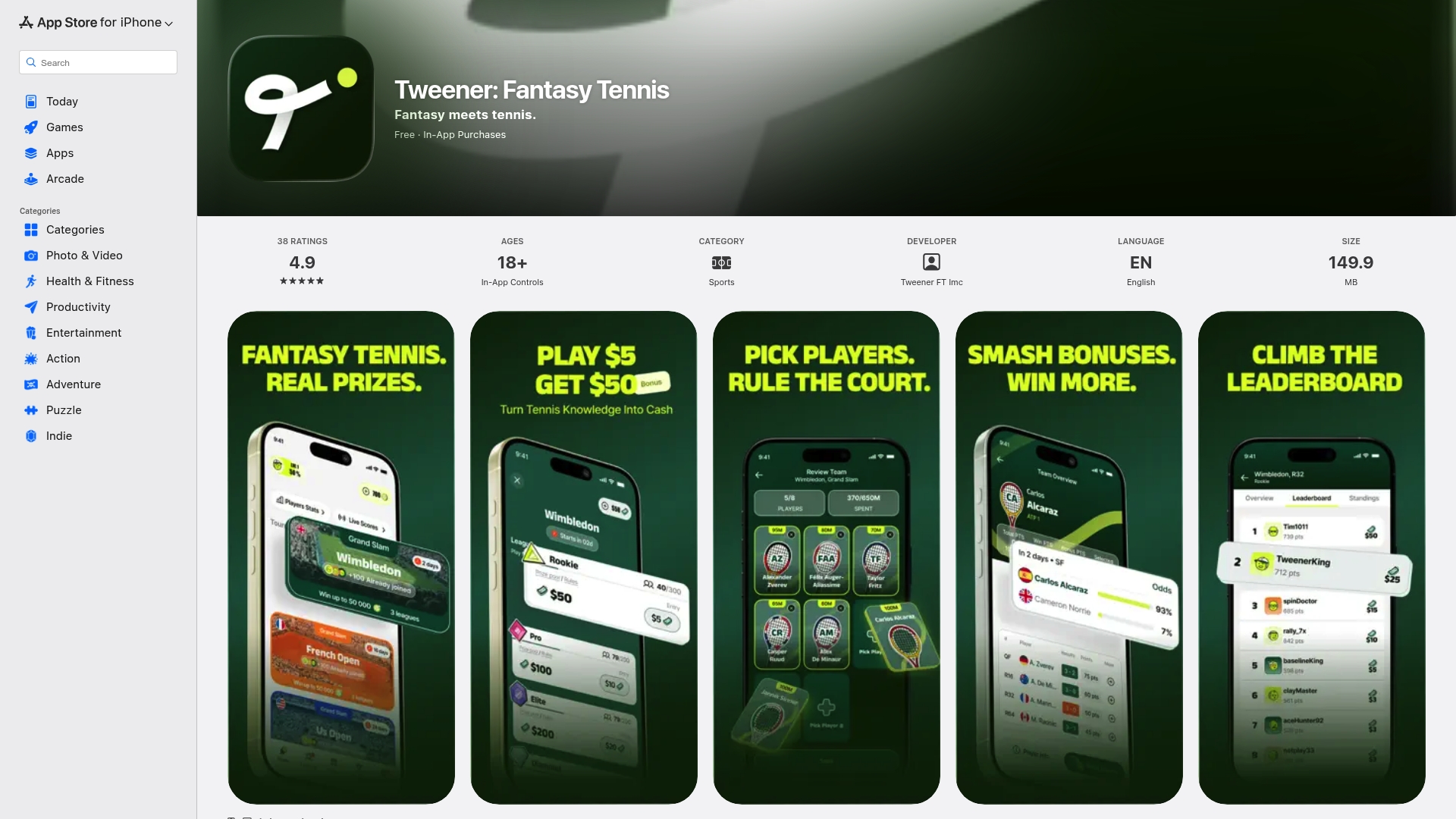
Ready to draft against real tennis data instead of a coin flip? Download Tweener and build your first bracket today.
FAQ
What is a snake draft in fantasy football?
A snake draft is a format where the pick order reverses every round, so the last pick in one round becomes the first pick in the next. This structure, explained by Athlon Sports, ensures every manager makes the same number of total picks across the draft.
How does draft slot affect strategy?
Early slots favor safe, proven production since the next pick is far away, while late or turn slots offer two picks close together followed by a long wait. Middle slots sit between these extremes and generally reward flexible, best-player-available decisions inside your tiers.
How many mock drafts should I run before my real draft?
Running six to ten mock drafts from your exact slot is a common recommendation for tightening your pick-by-pick instincts. Trying a few different roster approaches in those mocks helps you see which plan actually survives real draft behavior.
What is the difference between a snake draft and an auction draft?
A snake draft assigns picks in a reversing order with no budget involved, while an auction draft gives every manager a salary cap to bid on any player. Snake drafts reward slot-based planning, while auction formats reward budget management across the entire roster.
Should I draft differently in PPR versus half-PPR leagues?
Yes, PPR scoring raises the value of high-target running backs and receivers, while half-PPR narrows the gap between receivers and touchdown-dependent backs, according to SportsLine's draft strategy guide. Adjust your tier sheet for your league's scoring before building your round-by-round plan.
Sources
- What Are Fantasy Football ‘Snake’ Drafts? - Athlon Sports
- The Playbook: Planning a winning fantasy football draft strategy - ESPN
- Jamey Eisenberg's 2026 fantasy draft plan - CBS Sports